Where a healthy flower begins: Prevention and plant health in alstroemeria propagation at Finca Santa Bárbara
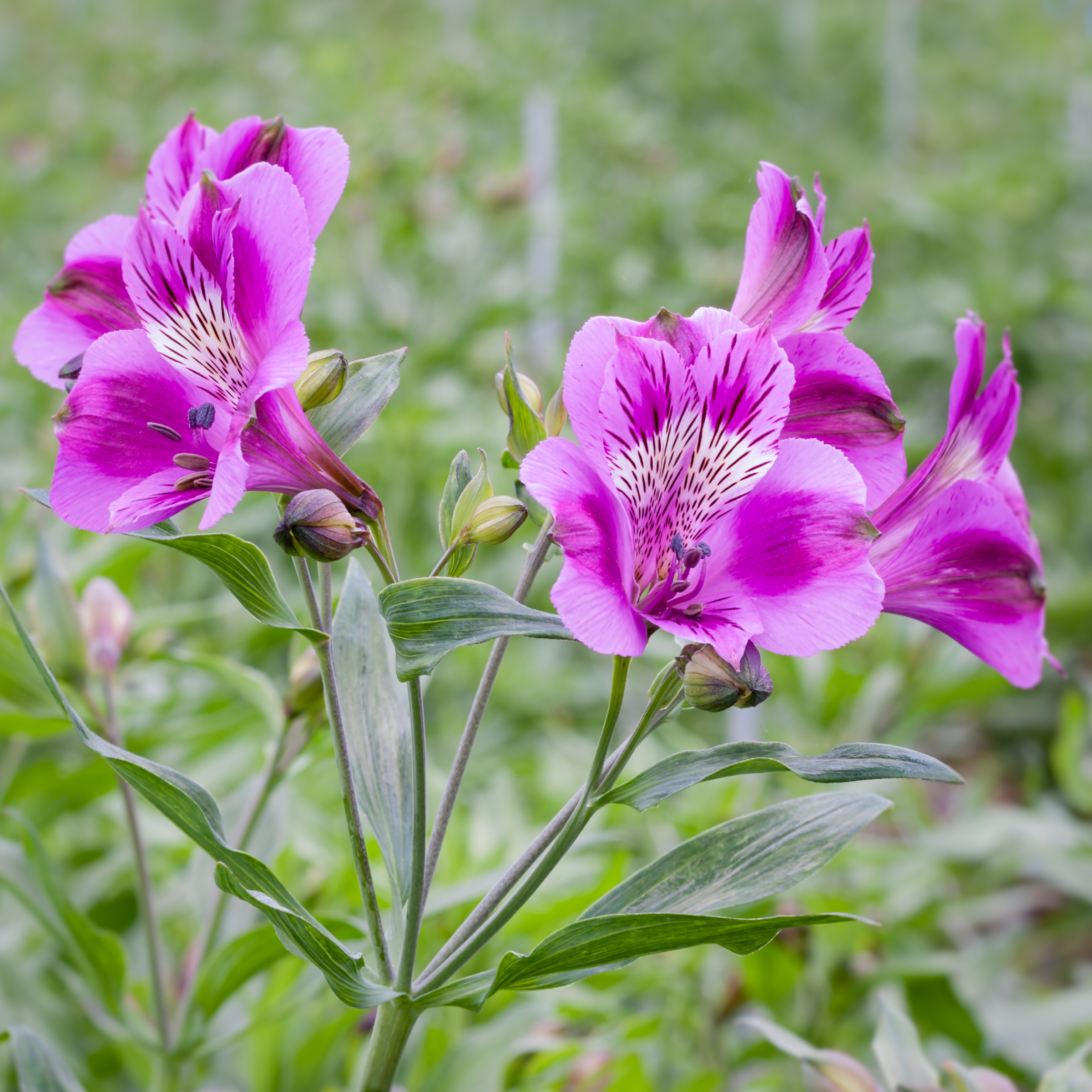
Colombia is one of the world’s leading producers and exporters of flowers, and within this sector, Alstroemerias play a strategic role due to their quality, diversity, and commercial value. However, behind every flower that reaches the final consumer in a bouquet for Valentine’s Day or Mother’s Day, there is a process that defines the success of the entire production chain: propagation. This is where everything begins, but it is also where a healthy plant can be lost.
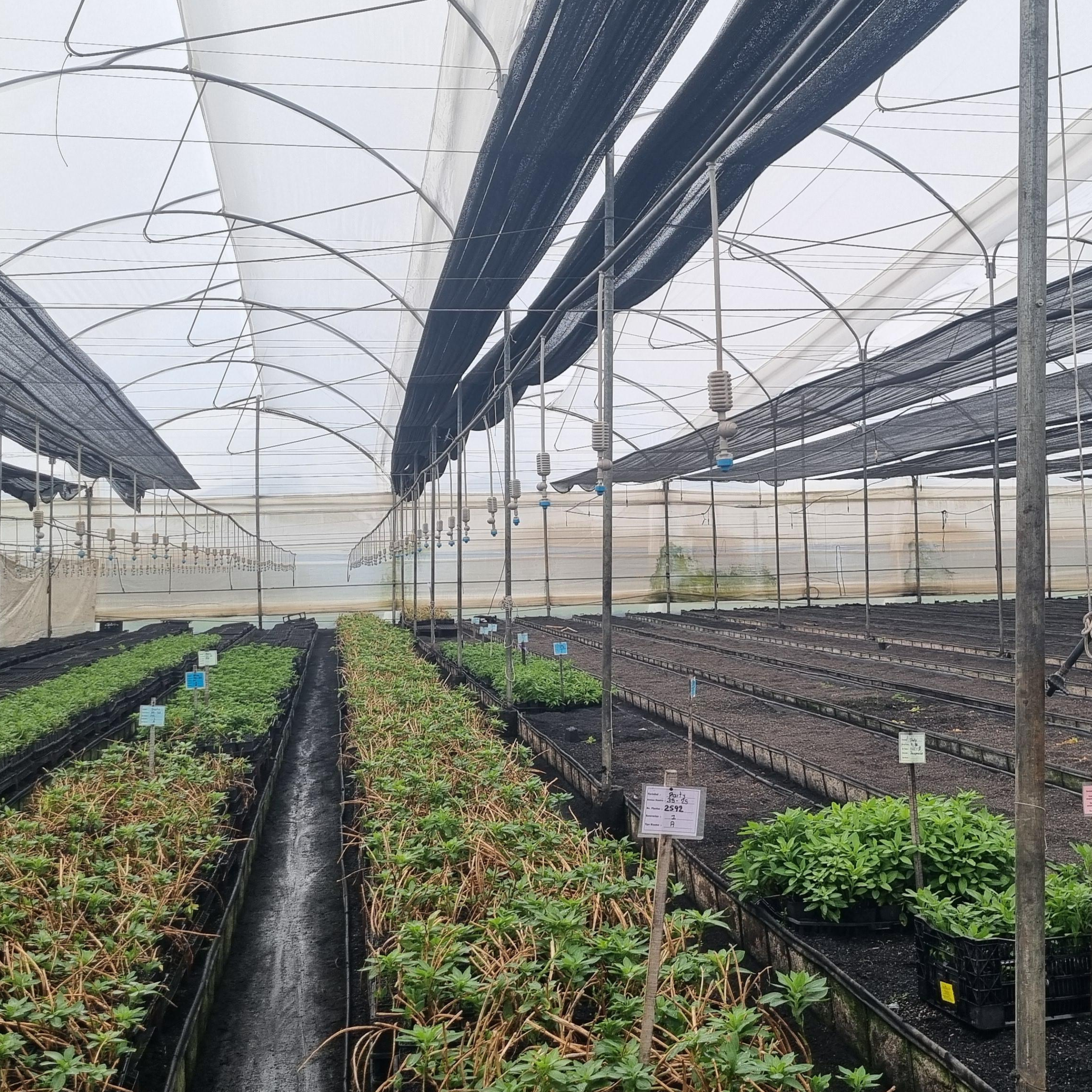
In Facatativá, Cundinamarca, in the western savanna of Bogotá, Finca Santa Bárbara has an area specialized in plant propagation, which means delivering healthy plants in the right quantities, with the expected quality and at the correct time, and in an industry such as floriculture, plant health and quality are essential.
Due to its location and climatic conditions, Finca Santa Bárbara faces high thrips pressure, and in alstroemeria propagation this becomes especially important, since it is a highly sensitive crop with very limited tolerance to chemical applications.
An infected plant does not only represent an immediate loss, it is also a risk for entire blocks, contracts, and sales during high demand periods such as Valentine’s Day.
An impact that multiplies
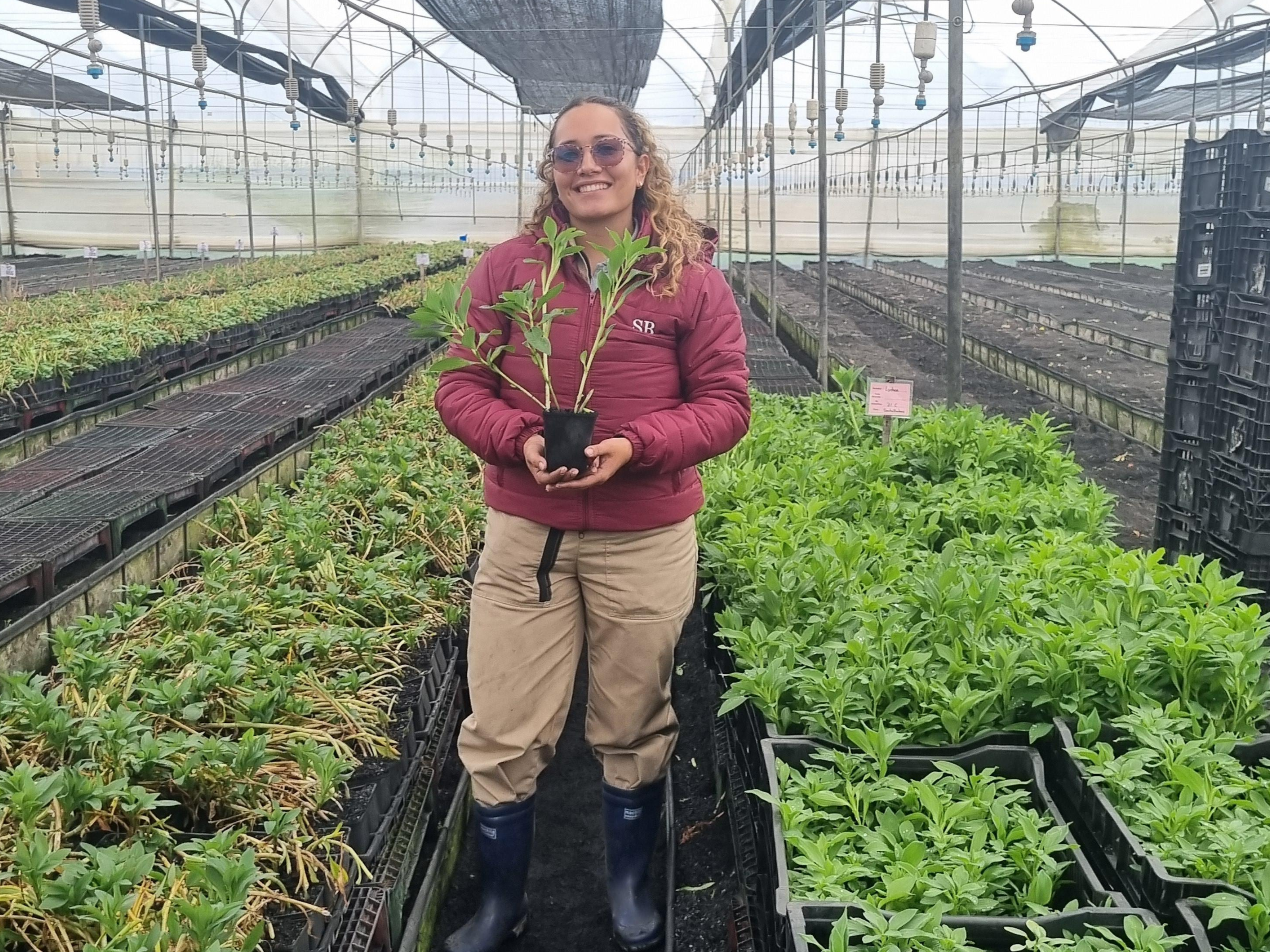
In a recent visit to Finca Santa Bárbara, Jorge González, General Manager LATAM, and Martha Alape, Climate Consultant in Colombia, had the opportunity to speak with Daira Jurado, Director of Propagation at Finca Santa Bárbara.
During the visit, it became clear that the impact of thrips goes far beyond a specific control action in a block or in a particular week. As Daira explains:
"If there is thrips incidence and I cannot deliver a plant, it is not only that I lose that plant. I put my money at risk, but I also put at risk every flower that would come after, because if they do not plant it, the flowers will not be ready for Valentine’s Day, or for the moment when they need them."
It is important to mention that in a propagation operation such as Finca Santa Bárbara, the problem does not stay there, it spreads across the system:
"What happens here spreads through the rest of the system, because it is not only Santa Bárbara. It is all the other growing operations that depend on the propagation," Daira explains. This effect turns any phytosanitary issue into an economic, operational, and commercial risk for the entire system.
The importance of protecting from the beginning
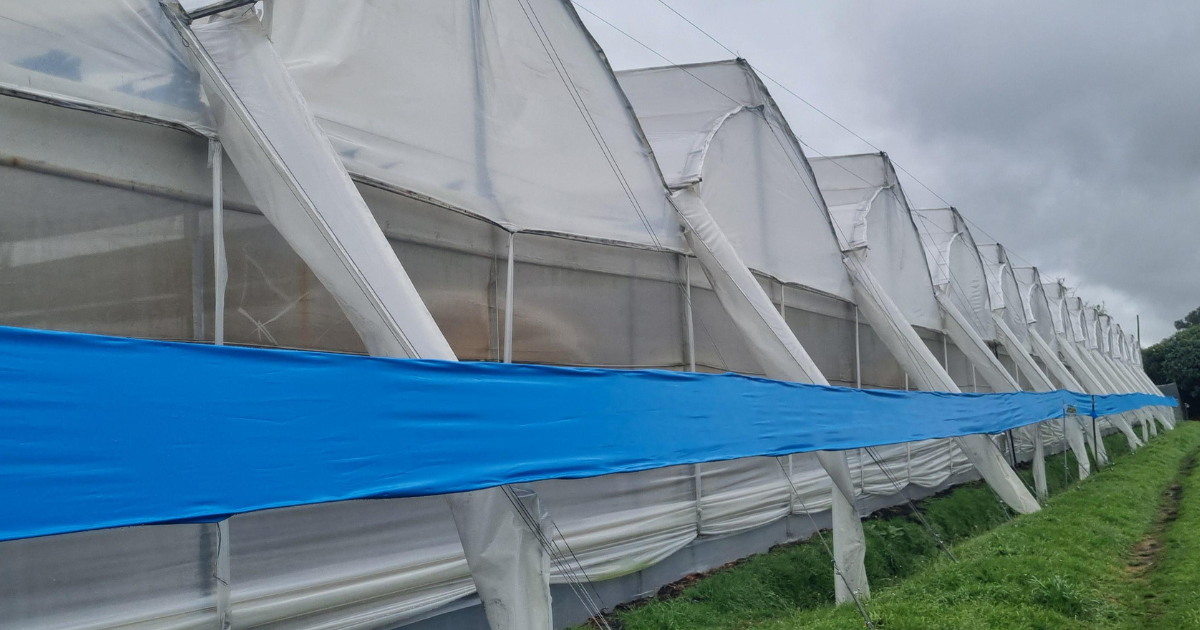
Finca Santa Bárbara understood that the only way to protect propagation was to prevent problems from the beginning. In search of a solution, and with the guidance of Martha Alape, the decision was made to install an effective physical barrier that would reduce insect entry and allow the team to work with more stability. The solution was the Xsect Xtreme net, reinforcing the protection of the greenhouse and establishing a solid foundation for a preventive approach to thrips management.
"Since the net was installed and there are no holes or other entry points for insects, we are fine. That is the first thing we check, and it allows us to work with peace of mind," Daira explains.
Results: stability in a process that leaves no room for error
The installation of Xsect Xtreme allowed Finca Santa Bárbara to keep thrips incidence well below critical thresholds, even during periods of high migration. Currently, monitoring records remain around 0.2 thrips per trap, a level that provides stability to the propagation operation and significantly reduces phytosanitary risk.
This stability is essential in a process where the margin for error is minimal and every decision has a long term impact, in addition the protection provided by the net has translated into the following benefits:
- Less use of chemical products, in a crop that is highly sensitive.
- Greater protection of plant quality and health, from the earliest stages.
- Reduced economic risks, associated with plant losses, laboratory testing and delivery delays.
"Alstroemeria is very delicate. It is a flower that cannot tolerate more than two chemical applications per week. If you exceed that, the plant is damaged and the quality is affected."
Daira also highlights the impact that the use of this net has on the numbers:
“We cannot allow any losses due to TSWV (Tomato Spotted Wilt Virus). By using the net, we ensure that we do not have virus problems, because TSWV is transmitted by thrips and, by keeping migration almost at zero, we ensure that the virus also remains at zero. That is where we really make the difference and gain efficiency and productivity.”
An investment that protects the entire system
In a system where a single plant represents months of work and defines the future performance of the entire production chain, prevention stops being an operational expense and becomes a strategic decision.
"The cost of the net cannot be compared with the losses you may have from infected plants or from losing a sale. That money is not being lost, it is being invested."
— Daira Jurado, Director of Propagation at Finca Santa Bárbara
For Finca Santa Bárbara, more than a solution, the net is a phytosanitary insurance that protects not only the propagation process, but the entire system that depends on it.
At Svensson, we thank Finca Santa Bárbara and Daira Jurado for opening their doors and sharing their experience in alstroemeria propagation. Cases like this reinforce our commitment to continue supporting flower growers in Colombia with solutions that help protect flower quality and optimize climate management.