Cut measure


I work with an industrial and commercial material but there must be character in the product, something that makes it come alive. It can be a bit uneven, structured and have patina. Natural materials often have that quality and I find it beautiful. It is like the Japanese philosophy Wabi-Sabi which celebrates the transient and imperfect. One should have respect for what ages.
Cart
-
HangerCut sampleSample card
Cut measure
Total
- Shipping
- VAT
- Total (excl vat)
No products in cart
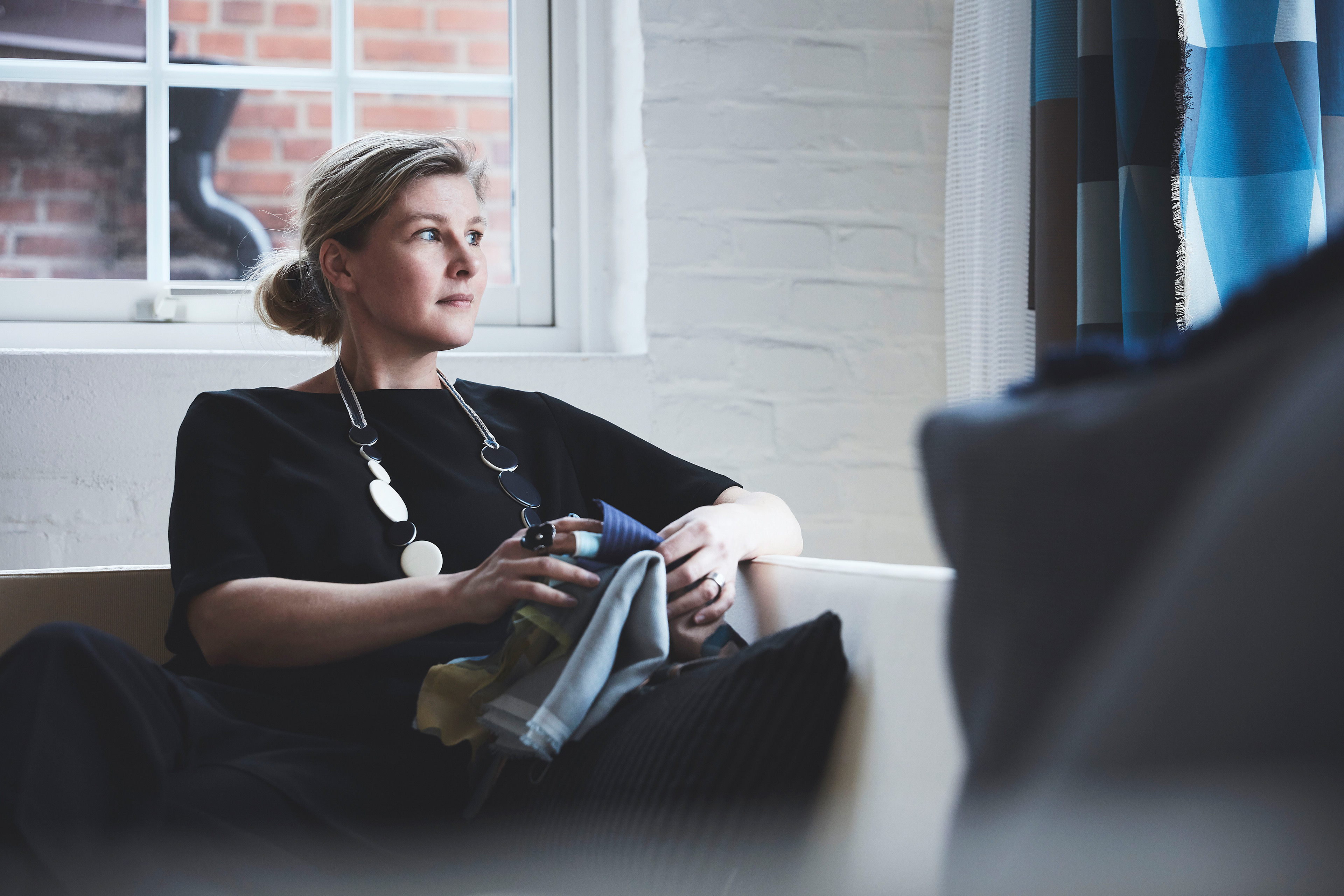
After 20 years as a textile designer and 7 years as a textile product developer in the automotive industry, Pernilla McGillivray joined Svensson's design team at the end of 2018. With a design style reminiscent of the Japanese. And whose principal sources of inspiration are drawn from the worlds of art, fashion, and architecture.
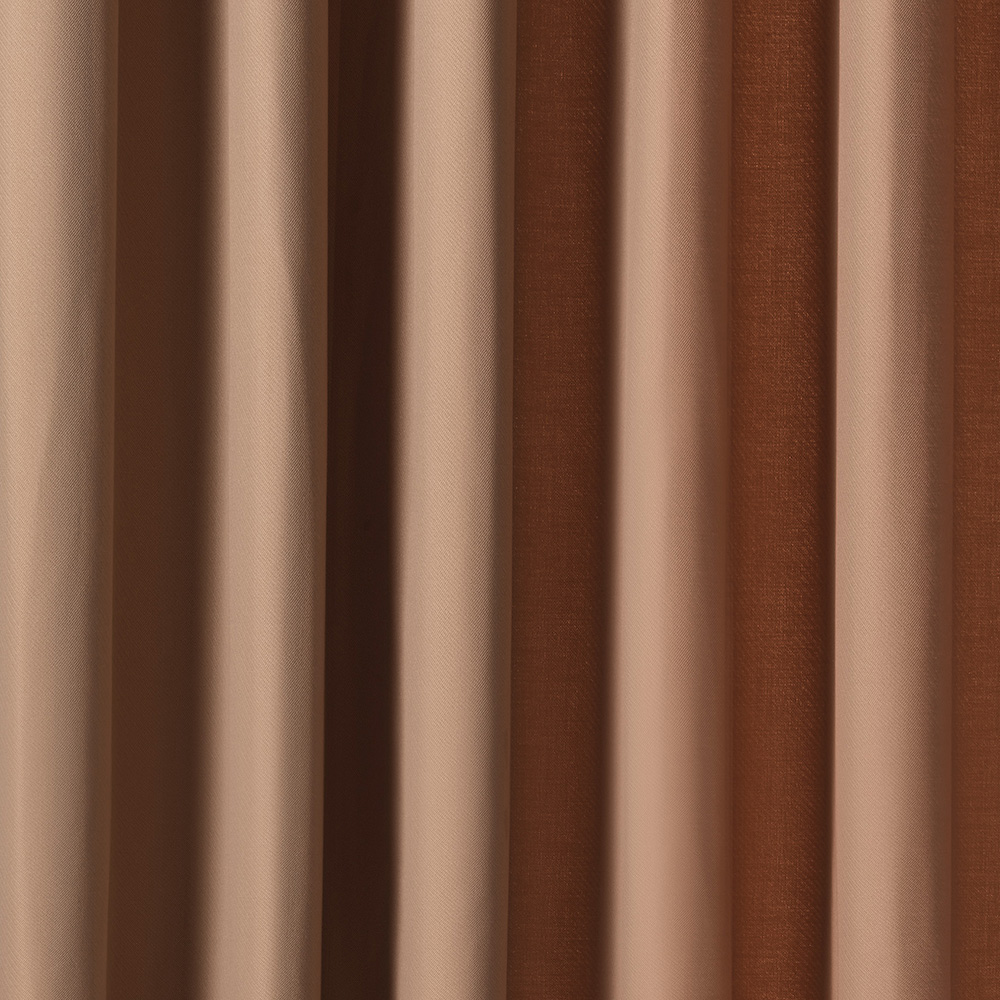
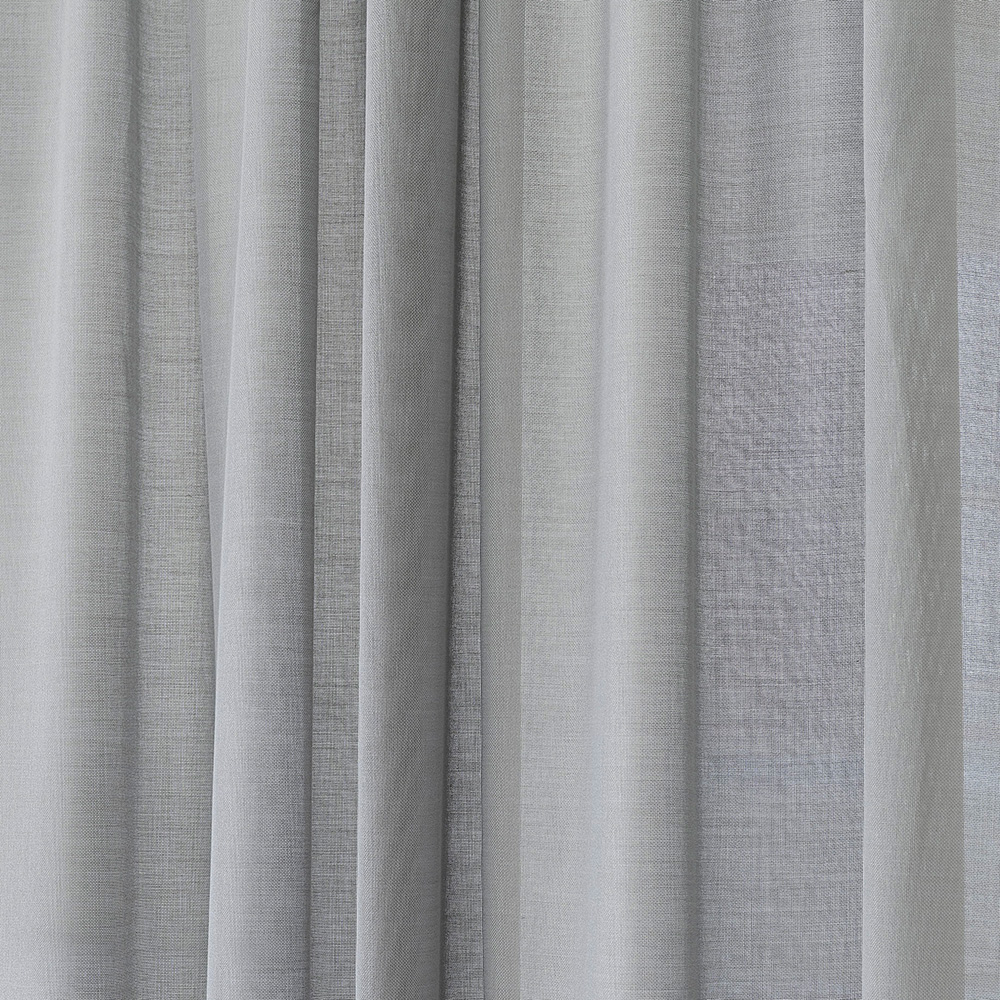
– Curtains require a different mindset, but it also varies depending on the type of curtain being developed. When working with an acoustic curtain, it must absorb sound. It needs to be dense, yet have a soft and fluid drape to allow it to be hung beautifully. For sheer curtains, constructions suitable for them must be used. You can’t have too many threads floating on the surface. Unless that’s the intended effect, of course. Achieving balance is a challenge.
Wants to design textiles that resonate
With a fondness for Scandinavian and Japanese styles, which Pernilla believes have many similarities, she is cautious with colour and focuses more on the combination of textures or structures, and the subtlety of soft contrasts. Like matte and glossy. Dense and sheer. Sleek and distilled. She wants to design textiles that resonate. That inspire others and bring happiness. Using materials that evolve over time and where the details invite thoughtfulness.
On sustainable design and the future of the textile industry
For Pernilla, long-term thinking and a holistic approach are key factors for the textile industry to be sustainable. This applies to both the choice of materials and the chain it is produced from.
– Textiles have an incredible potential for varied and long-term use, which is what sustainable design is for me. Often, a fabric does not just have one function. You practically never need to throw textiles away. Start with the appearance and how the material feels, and create something new. An upholstery fabric lasts forever and can also become a perfect coat.”
Aside from sustainable use, it remains important to improve the textile industry's processes, from finding good input materials and utilizing them fully without waste, to finding ways to manage them afterward.