


 Cut measure

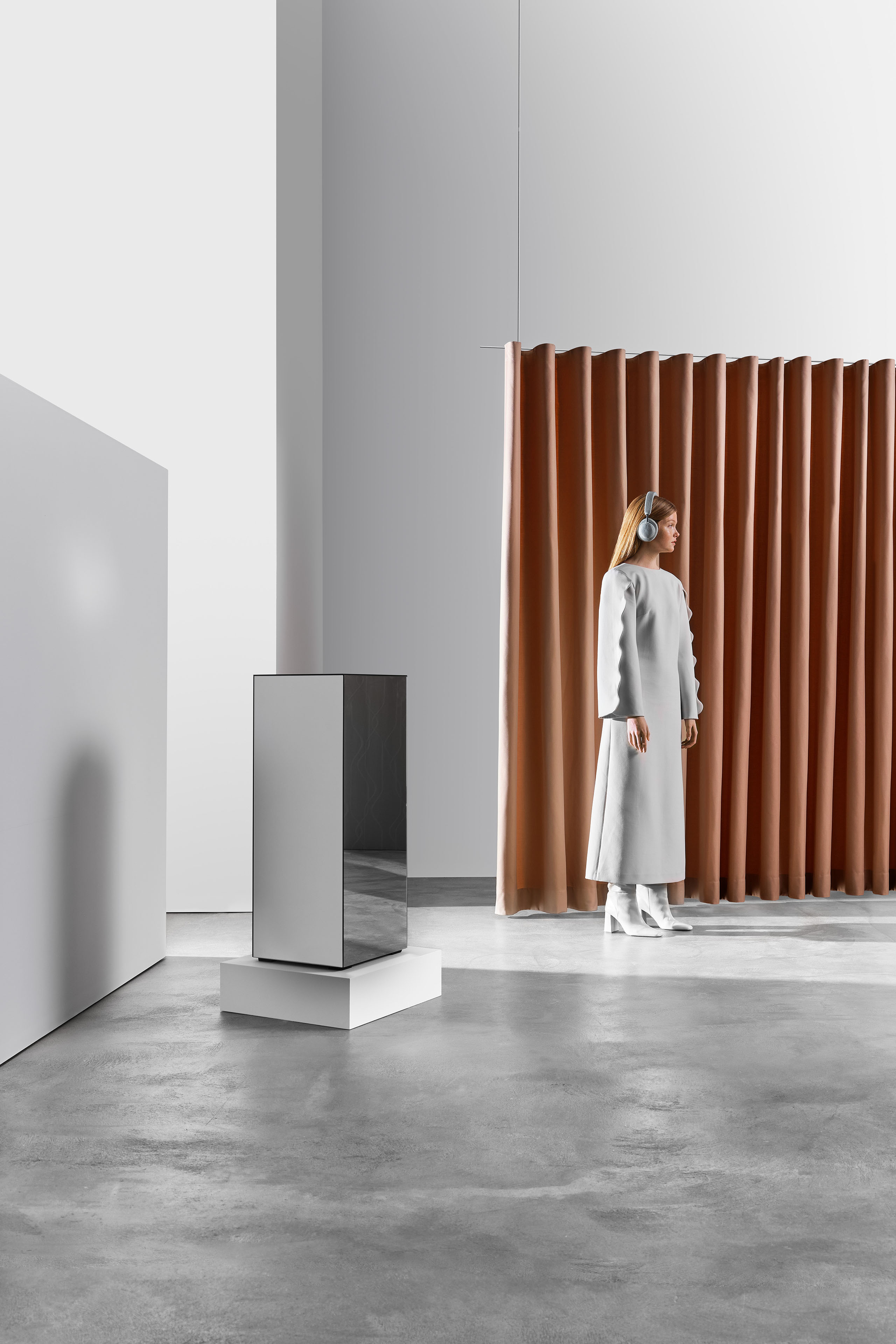
Designing sounds
Everything you need to know about acoustic textiles
What are the advantages, how are the textiles constructed, and how do we test to ensure they really work?

Hanger
Cut sample
Sample card
Cut measure
Total
No products in cart
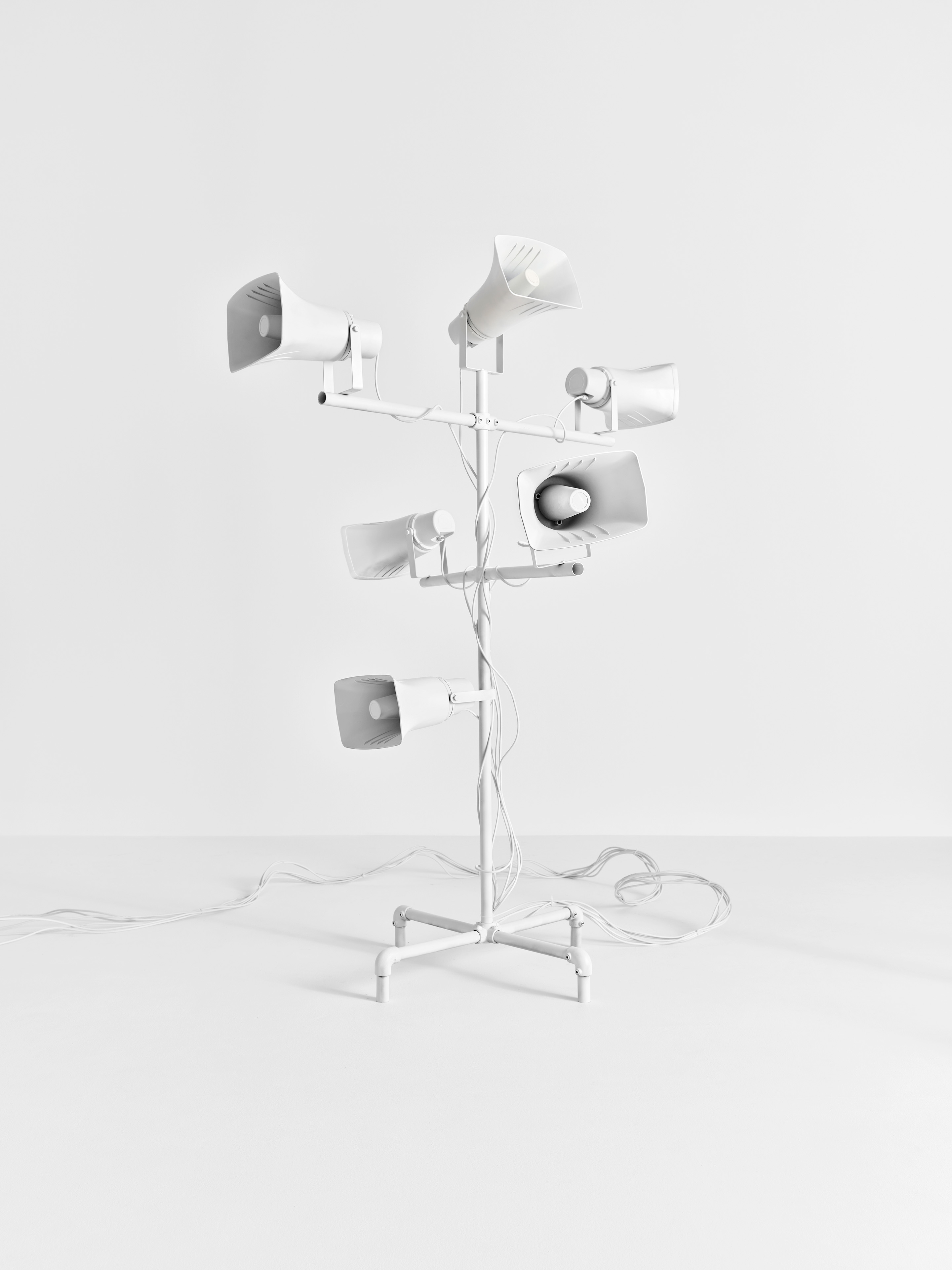
Concrete: 0.03 (3%)
Glass: 0.05 (5%)
Ordinary curtains: 0.10–0.15 (10–15%)
Soft flooring: 0.15–0.25 (15–25%)
Sound absorption panels: 0.75–0.85 (75–85%)
Designing sounds
What are the advantages, how are the textiles constructed, and how do we test to ensure they really work?
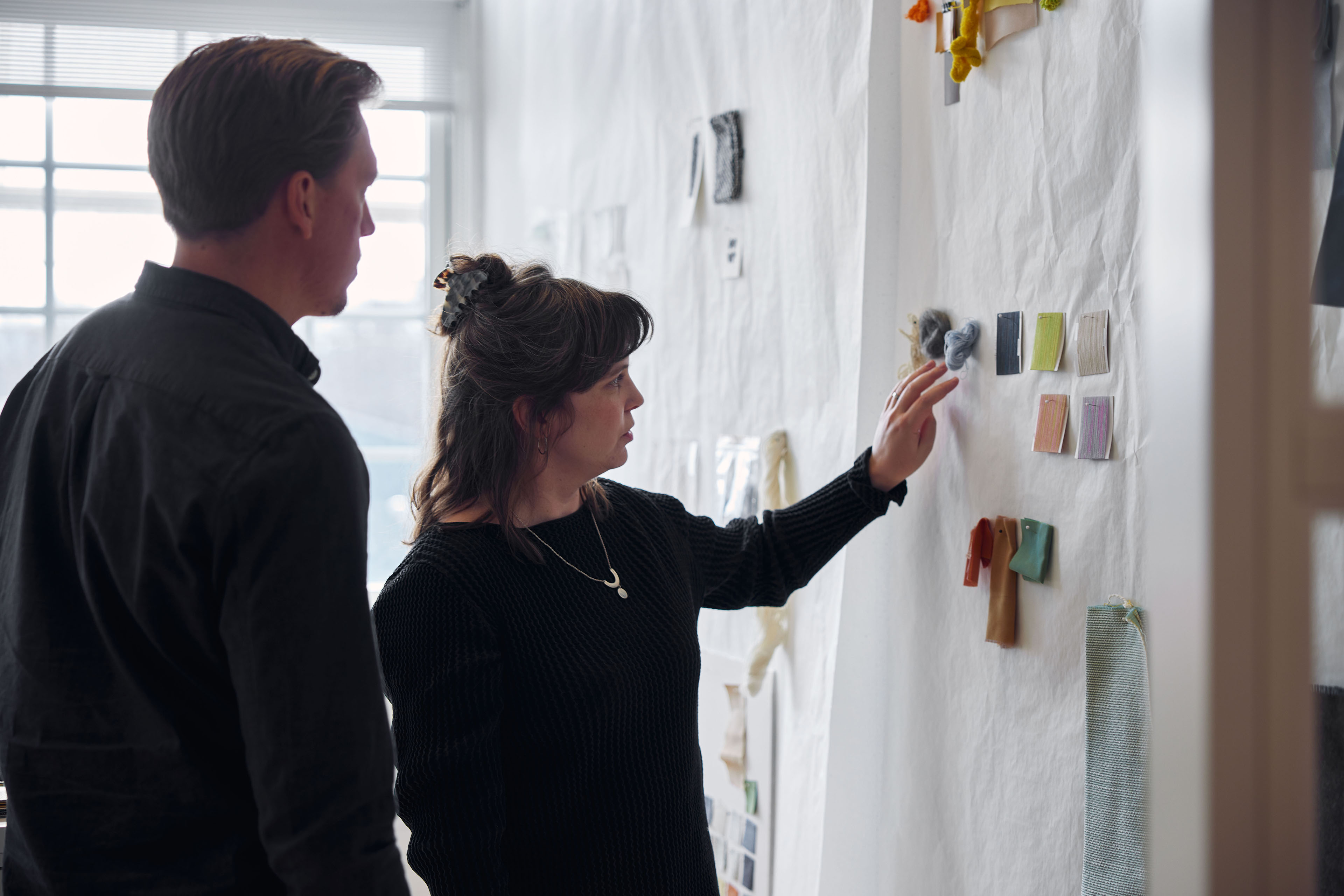
Designing sounds
An important factor for well-being is a pleasant acoustic environment. Here we share our collective knowledge and experience together with experts from various industries and fields.
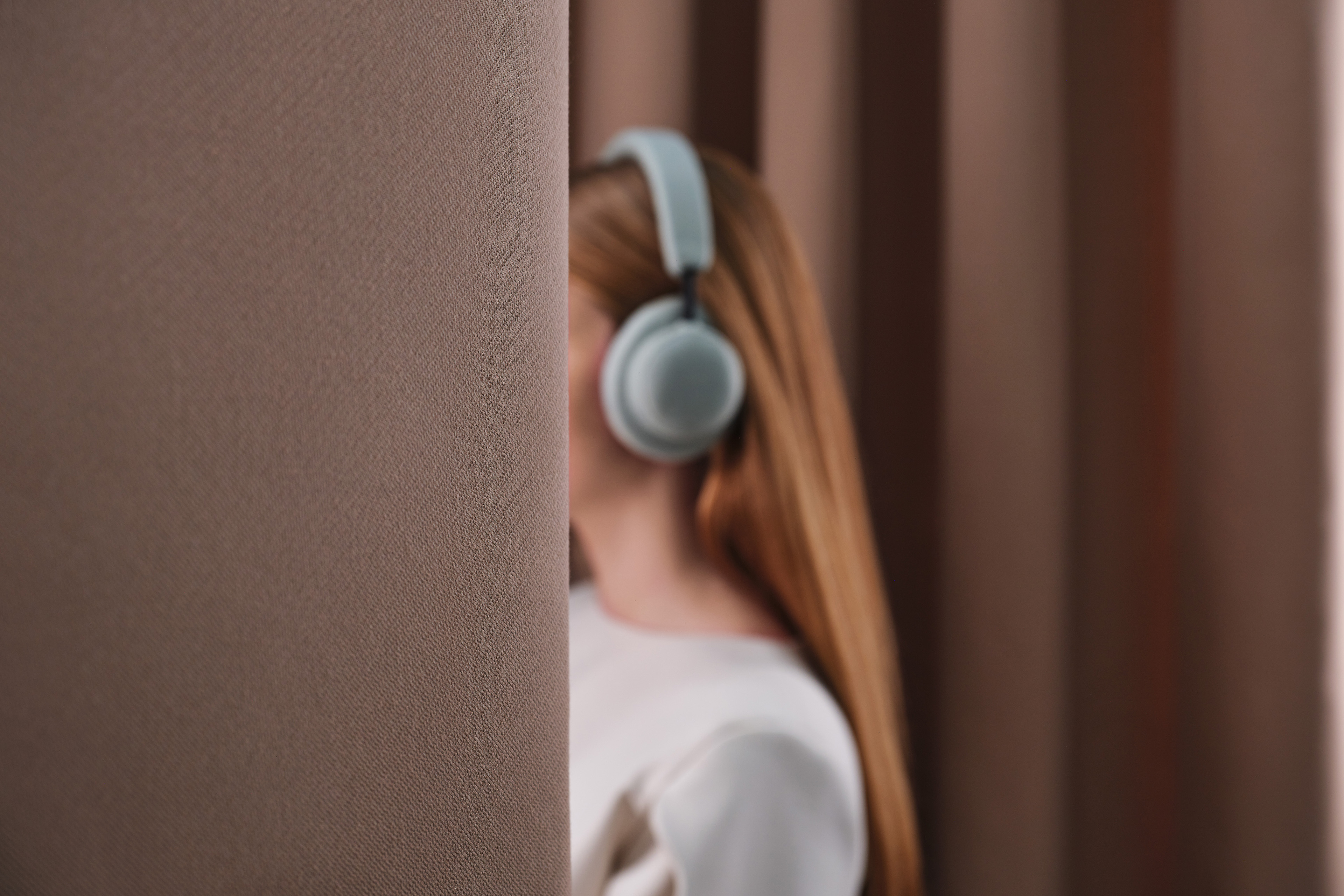
Designing sounds
Sound-rated textiles from Svensson are available in absorption classes A-C. With the right textile in the right place, you can create a pleasant acoustic environment.
