



 Cut measure


We see it as our textiles being used as a tool in the creation of the interior – that sound is a part of the idea, rather than a problem that needs to be solved.
Cart
-
HangerCut sampleSample card
Cut measure
Total
- Shipping
- VAT
- Total (excl vat)
No products in cart
Designing sounds
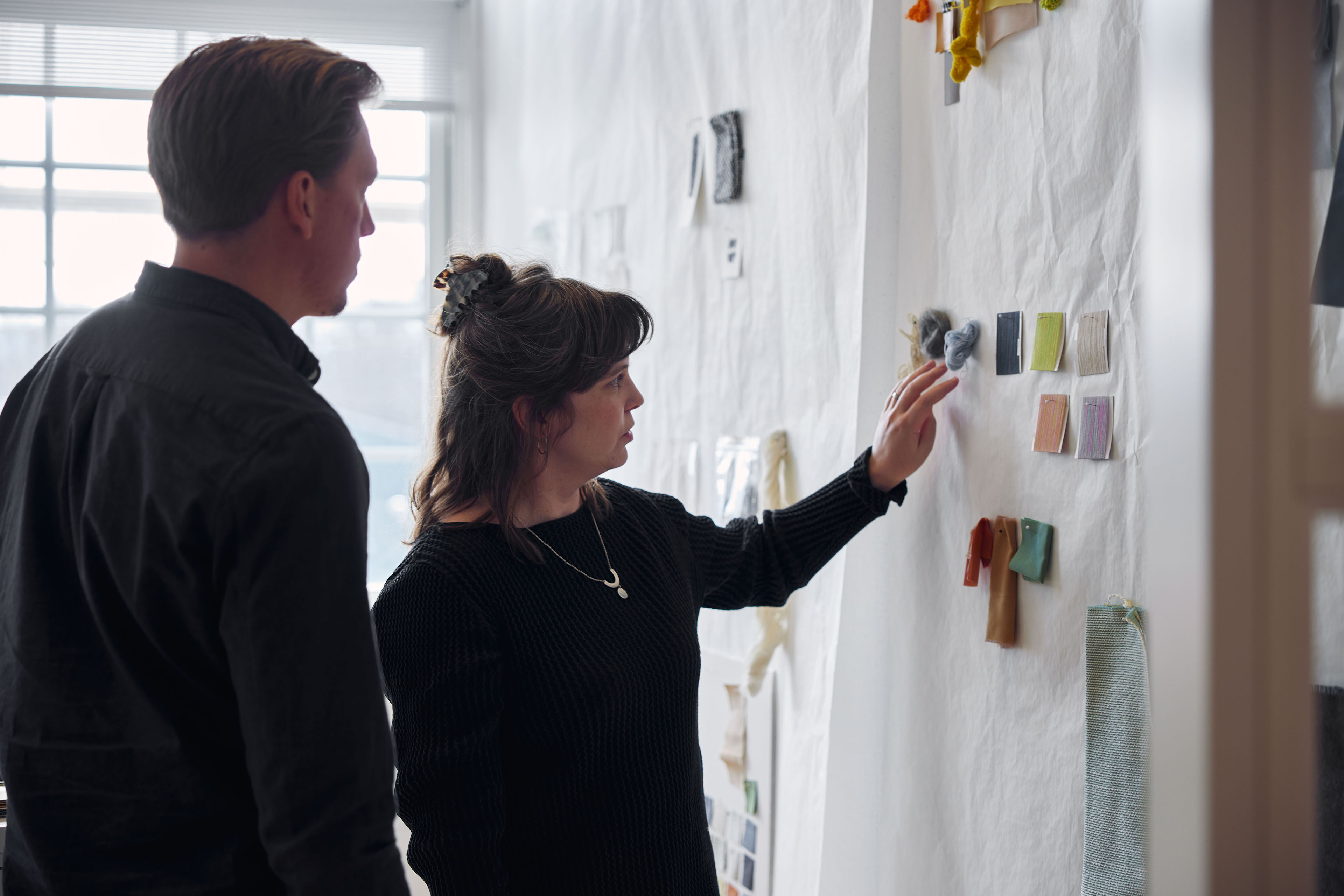
A clear idea of the environment we want to create
What shapes a sound environment, and what is the significance of the visual elements? To get a design perspective on this question, we had a conversation with the design department at Svensson.
We do not see the sound environment as something separate, but as part of an entirety. You do not enter a sound environment, you enter a room. So, ask yourself the questions, what is the purpose of the room, who is the space intended for, and what are the requirements for the sound environment?
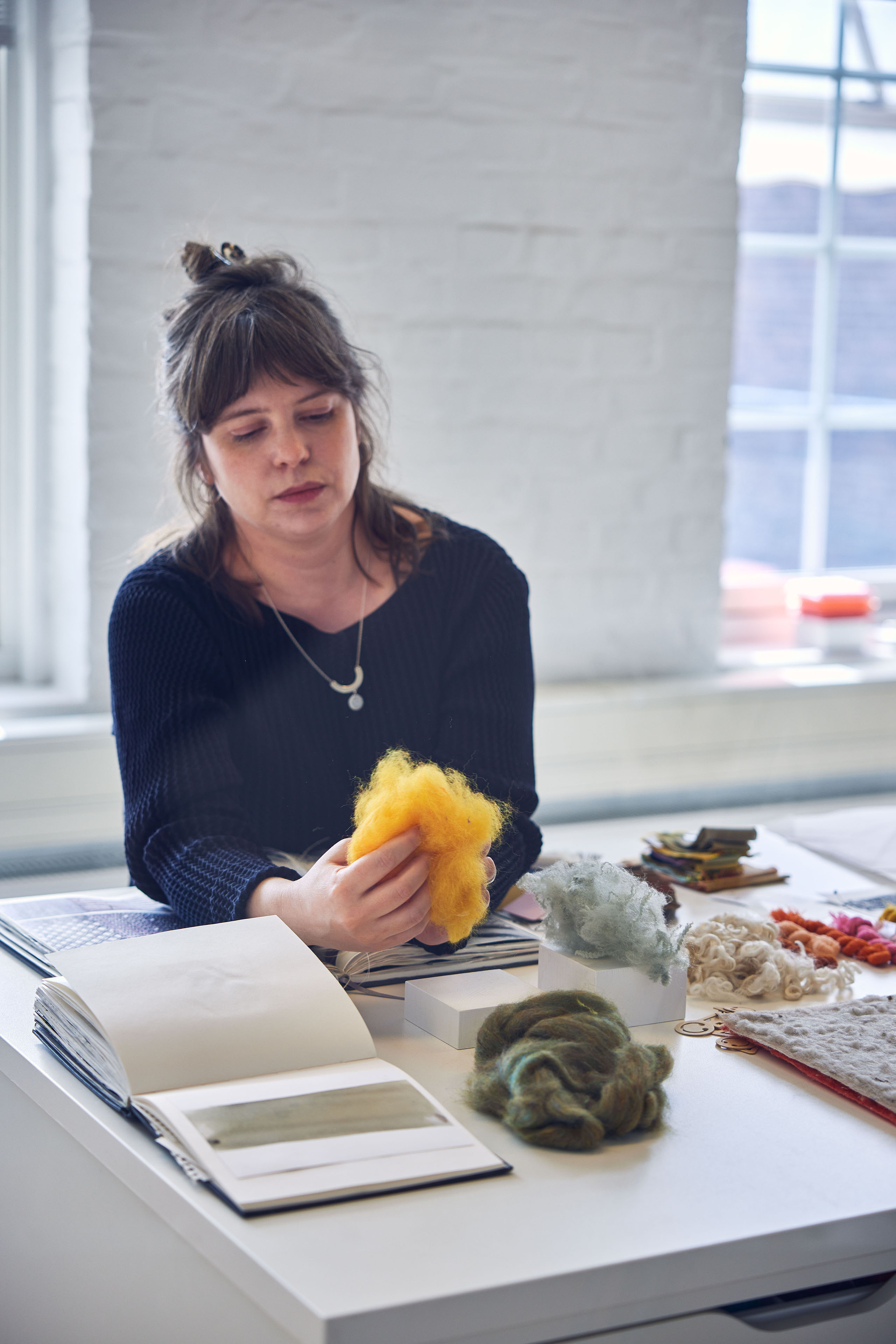
To create a good atmosphere in the room with a focus on a good sound environment, we would like the interior to be a mix of heavier but also transparent qualities. Heavier qualities are often preferred when it comes to dampening sounds that are perceived as disturbing for the room's users. But with a mix of heavier and more transparent textiles, the interior contributes to feeling more open, airy, and providing a good overview of the ongoing activities in the space.
In addition to Hanging fabrics, the furniture in the room obviously plays an important role. There are endless possibilities with Upholstery fabrics to create an interior that greatly impacts the room's sound environment. With both hanging and upholstered forms, an inviting interior is shaped where people feel comfortable.
Zones with purposes
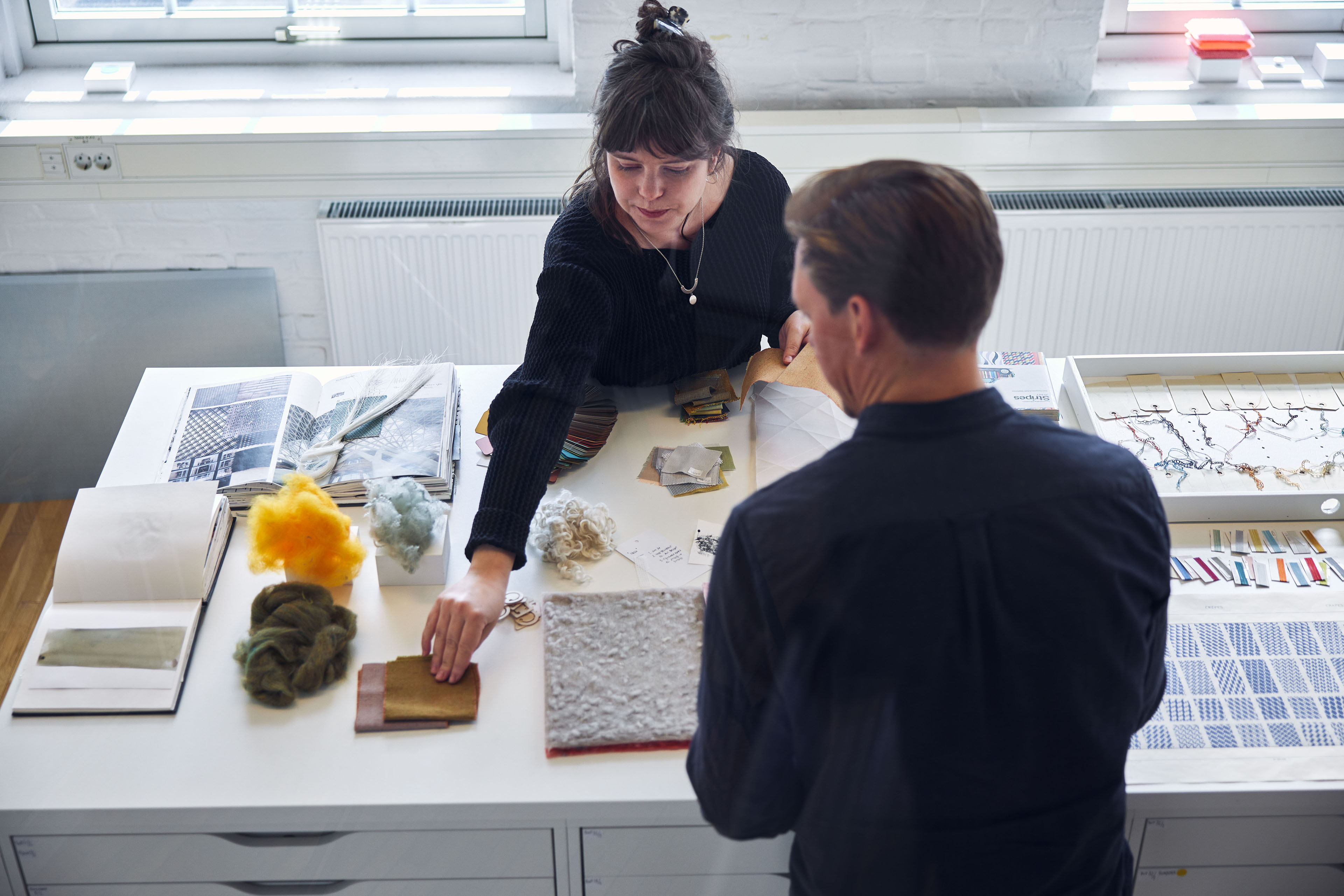
Crowded or airy, small or large? We believe the key is to focus on the existing need or the need you wish to create. Ask yourself the question, what do we want this area to provide for the users? Once the need is defined, move forward by viewing it as zones rather than fixed rooms.
In a school environment, it can be useful to map out the building's different zones, such as quiet zones, social zones, and active zones. Here, the sound environment naturally plays an important role. Textile can advantageously be used as a visual tool to signal the type of zone it is, where the textile's transparency, structure, and colour are important choices to create an intuitive interior.
Zone division for the school environment is just one example, and it is equally relevant for office environments. Especially after the pandemic, when many have become accustomed to working from home, it is important to create attractive offices where people feel good. Where employees feel that the room, area, or zone adds something. A pleasant place for reflection, a peaceful place for concentration, or a creative place to meet and socialise.
A science in itself
When it comes to the development process of sound-rated textiles, the design team talks about the challenges involved.
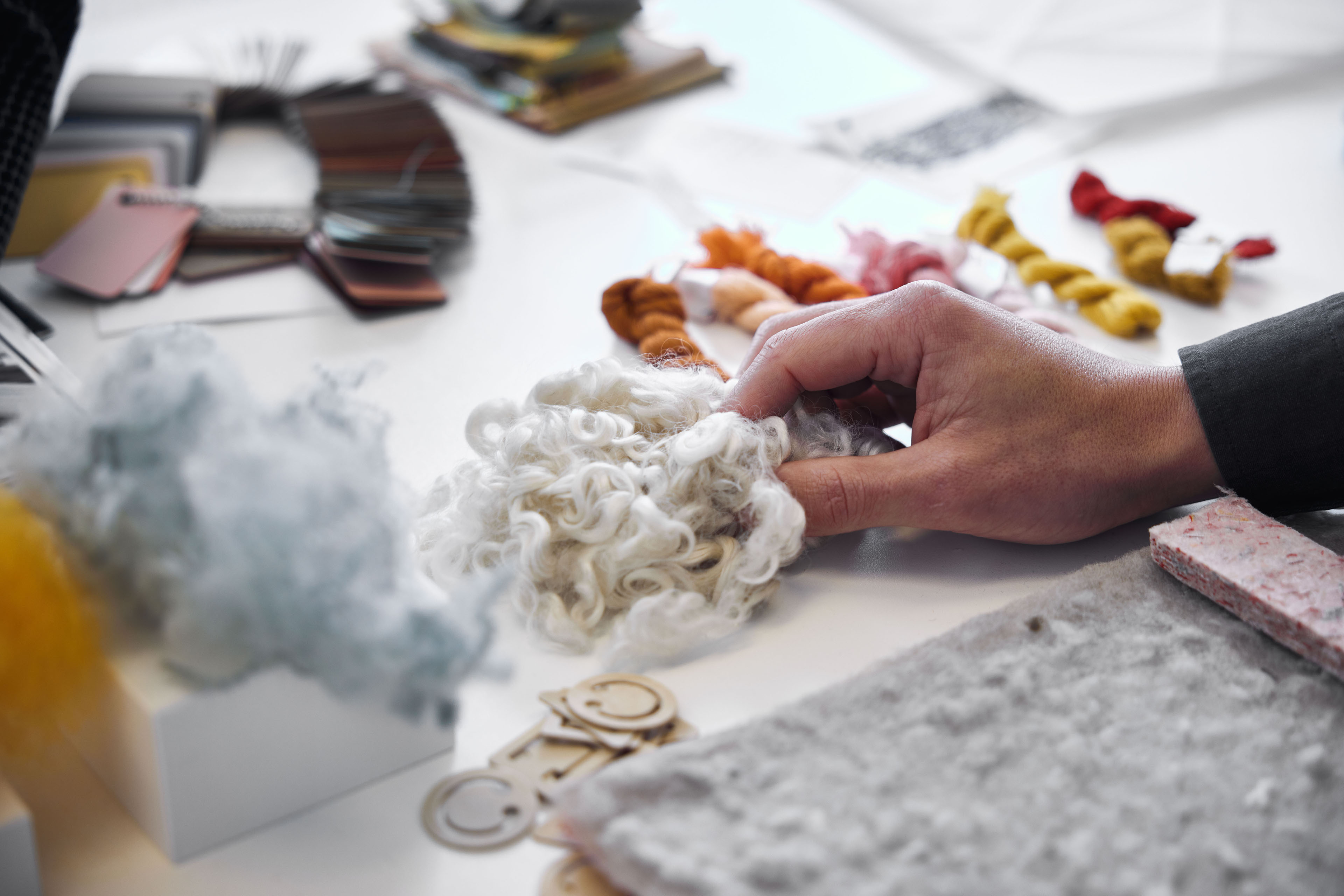
To achieve a good sound rating, the curtain needs to have a relatively high weight. Therefore, it is important that the construction, and the materials in both warp and weft are balanced, otherwise, both grip and drape risk becoming too stiff. Therefore, we work a lot with grip and drape, meaning how the fabric feels tactually and how it falls when you hang it up.
So how can one find other ways to achieve this? How can weaving techniques and materials be used to reach the right absorption level for the curtain?
A great deal of knowledge is required to develop a sound-rated curtain. If the construction is too dense, the sound will bounce off the surface.
There must be enough friction so that the sound waves fade away, but the aesthetics, quality, and experience generated by the textile must not be compromised.
A tool for working with different senses
For us, the development and creation of sound textiles is about meeting a need and thereby adding something extra. Or enabling the visual environment where the architect wishes to work with sound in a specific way.
We see it as our textiles can be used as a tool in creating interiors where sound is part of the idea, rather than a problem that needs to be worked around.
We keep coming back to the idea of the space you want to create. It's about trying to understand the needs, what the rooms are there for, and defining a clear idea with the spaces. What should the room contribute to? How can the design help? And how can you work with different senses to take that idea all the way?
Designing sounds
More articles

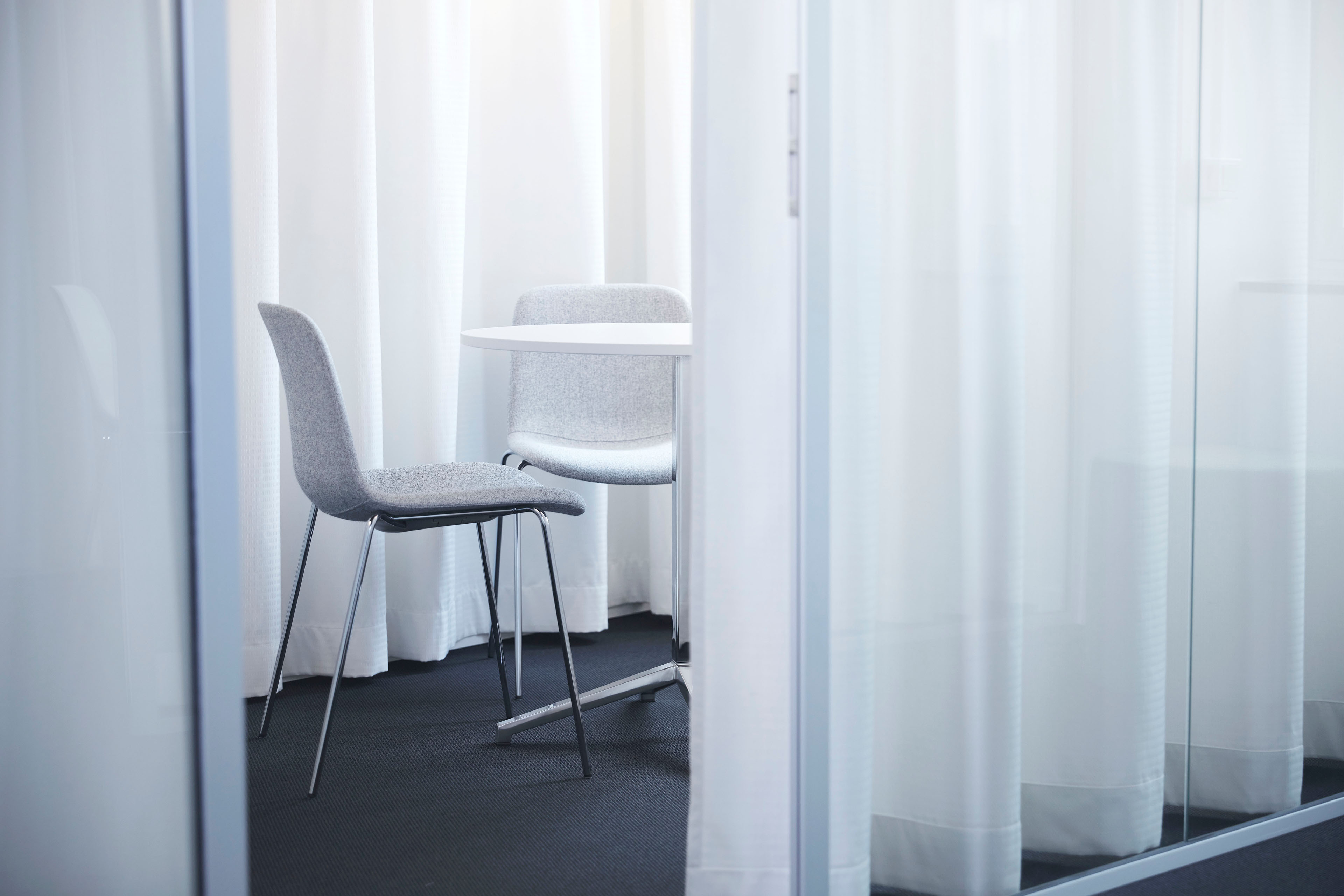
10 Dec 2025 | Designing sounds
More than just silence
The sound environment affects us more than we think – and for many, it is introduced too late in room design. Here we highlight how sound, form, and humans interact, and why a broader perspective is necessary for sustainable and functional environments.

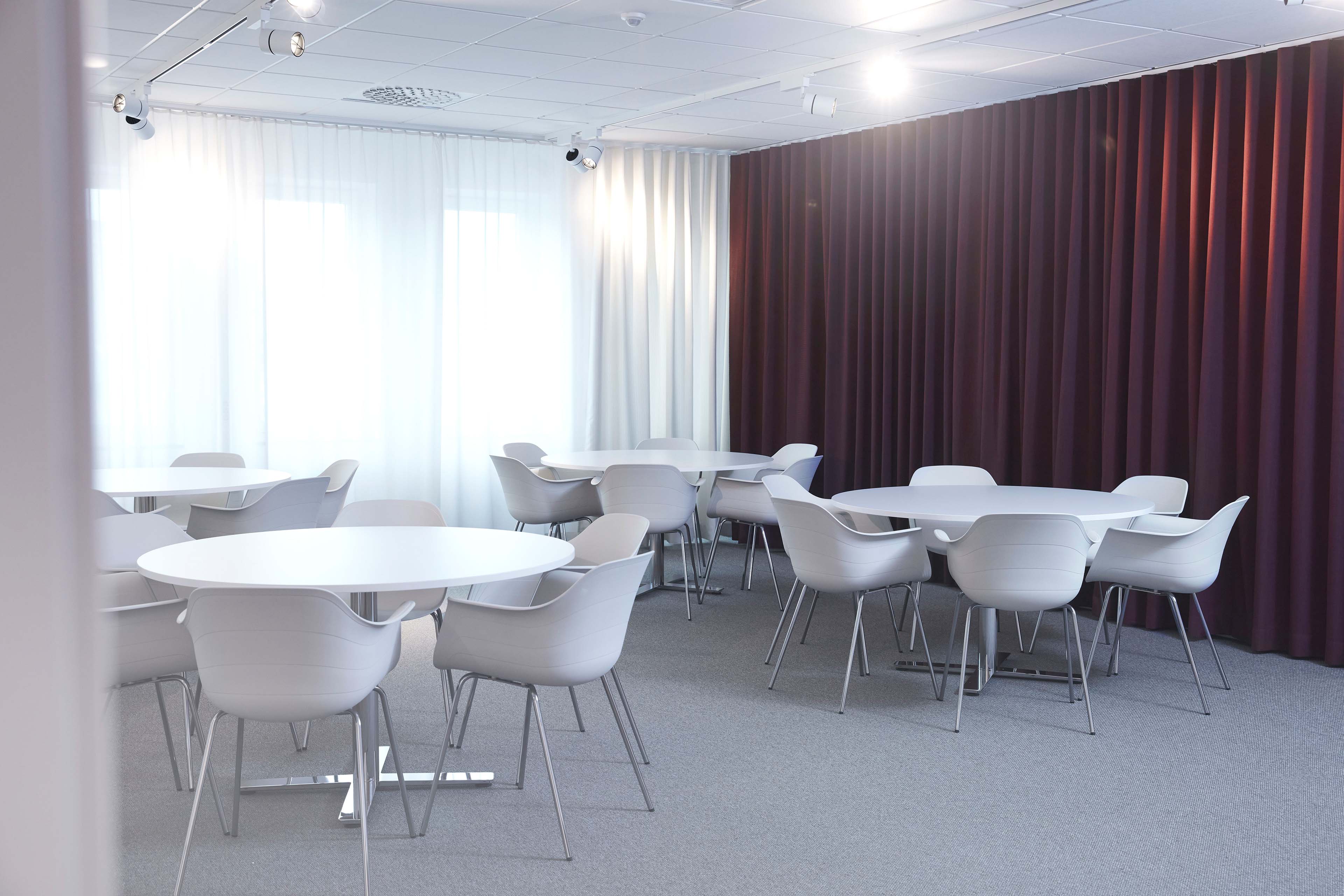
10 Nov 2025 | Designing sounds
How the sound environment affects our experience
The sound environment is never just background noise – it is shaped by the room, the activity, and the people there. Here we explore how different factors affect our experience and what you, as a designer or responsible person, can do to create a sound environment that both feels and functions well.
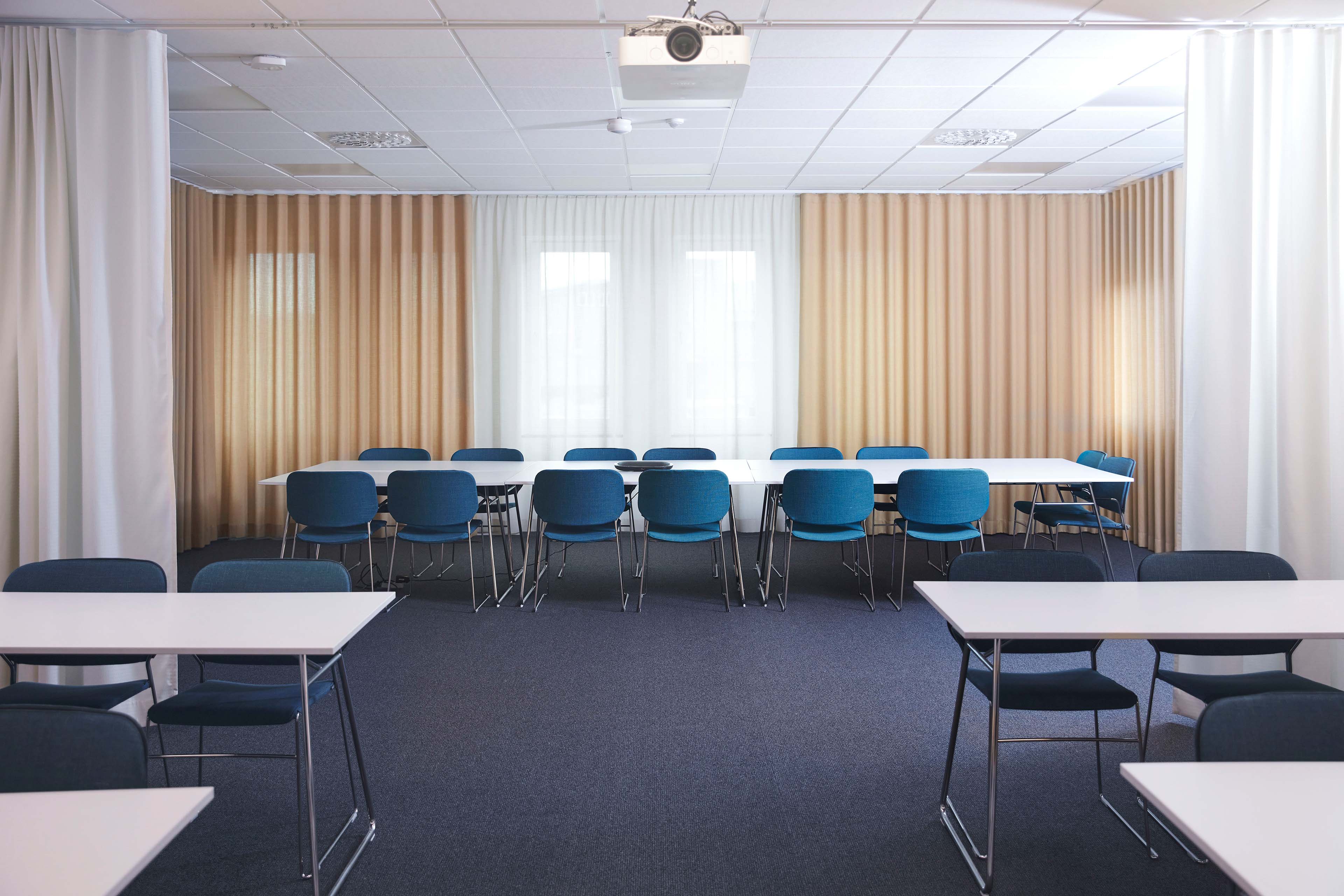
04 Nov 2025 | Designing sounds
What research can teach us about the sound environment
Research shows that the sound environment affects both our well-being and performance. Here we summarise what the studies say – and how textiles and design can contribute to more balanced and pleasant rooms.
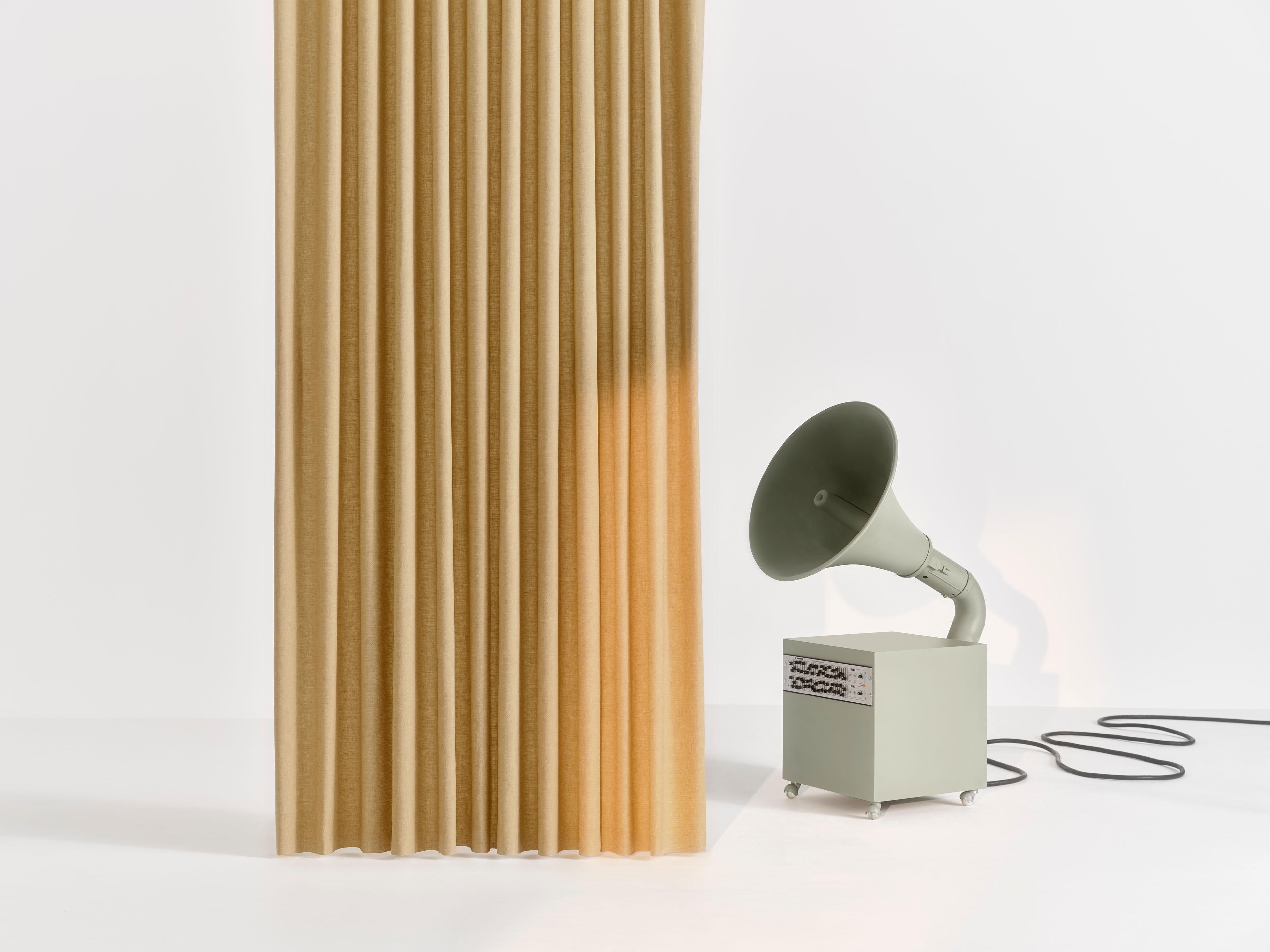
14 Oct 2025 | Designing sounds
Experiences in the sound environment
The sound environment affects how we feel, think, and work. At the same time, the visual framework and the context itself will in turn affect how we perceive the sound environment. It is therefore a complex interplay between the senses, and precisely what Designing sounds is all about.
07 Oct 2025 | Designing sounds
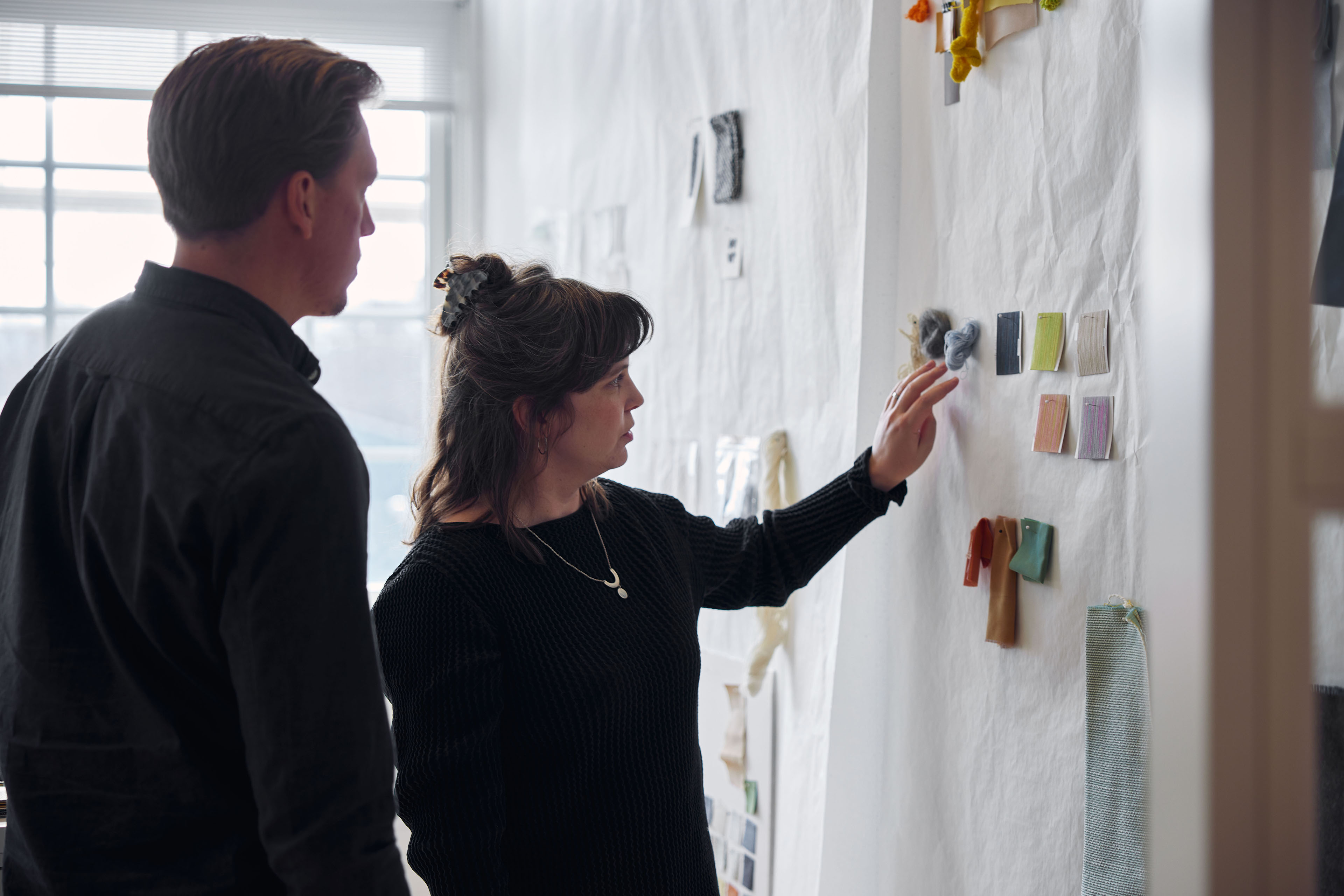
A clear idea of the environment one wants to create
What shapes a sound environment, and what significance do the visual elements have? To gain a design perspective on the question, we had a conversation with the design department at Svensson.
26 Sept 2025 | Designing sounds
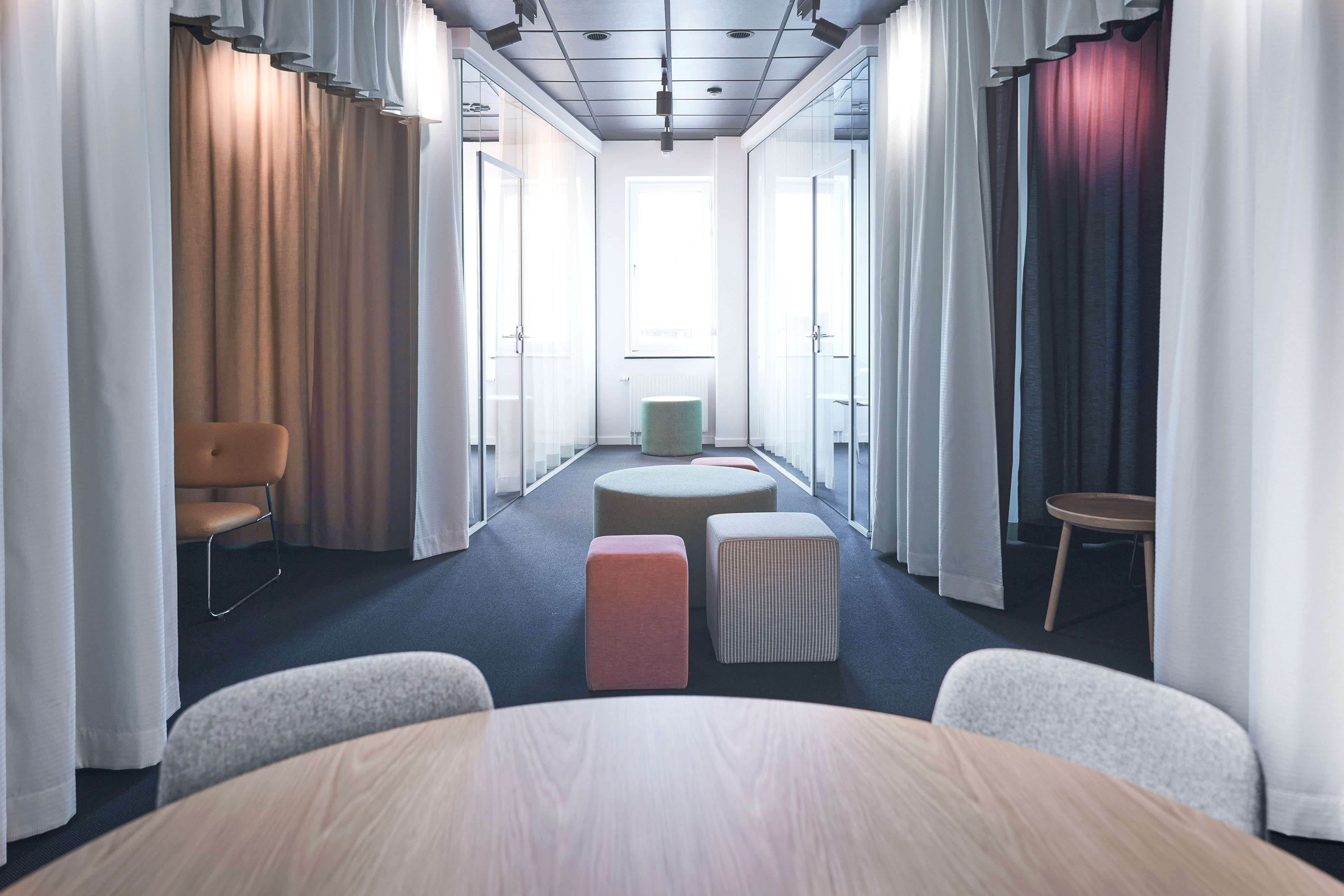
Test the function room
If you want to truly experience the qualities of the textiles, you are warmly welcome to our function room.
06 Aug 2025 | Designing sounds
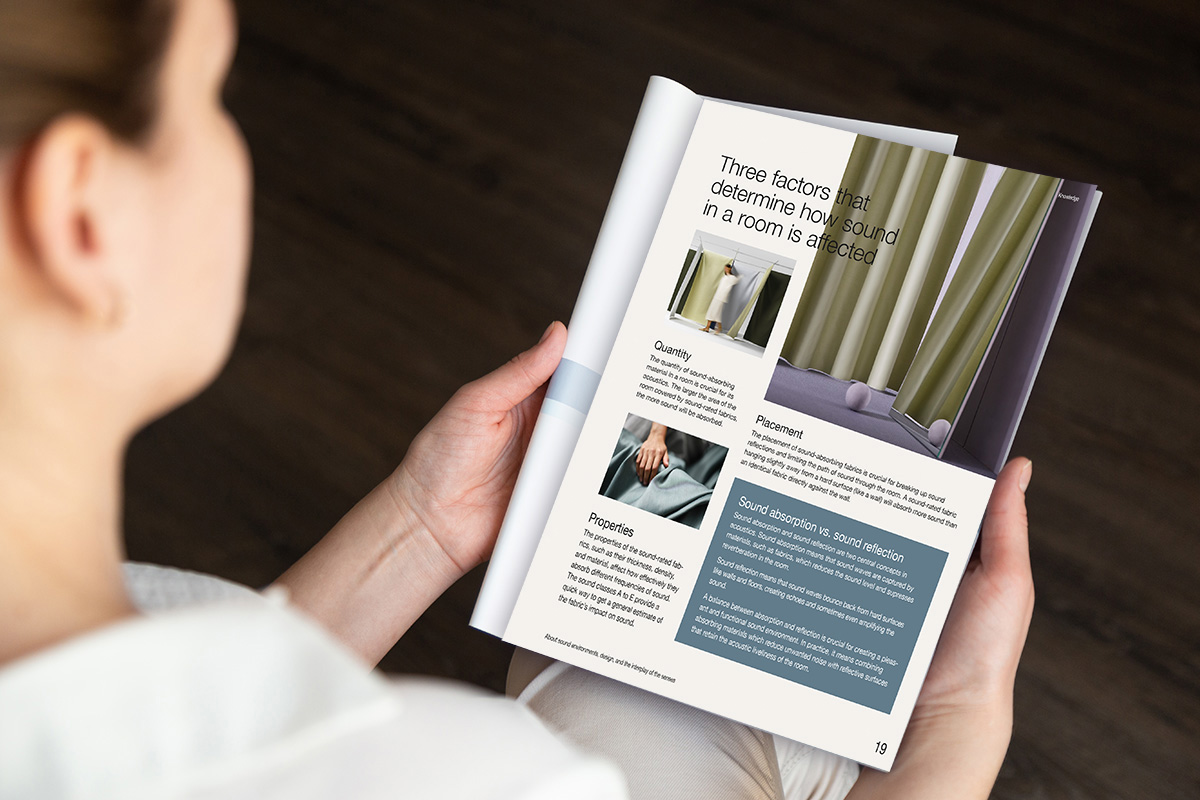
Read our guide
The interaction between sound and visual design is becoming increasingly important for our experience of public environments. With Designing sounds, we explore this dynamic to find inspiration for a more holistic design philosophy.

06 Aug 2025 | Designing sounds
Create an inclusive and supportive learning environment
In a time when our senses are constantly overwhelmed by information, it becomes increasingly important to understand how different sensory impressions, such as sound and visual design, can work together to create a balanced and healthy environment. Textiles offer unique opportunities to enhance the sound environment, regulate light impressions, and create flexible spaces that contribute to increased well-being and focus for students and school staff.
20 Jun 2025 | Designing sounds
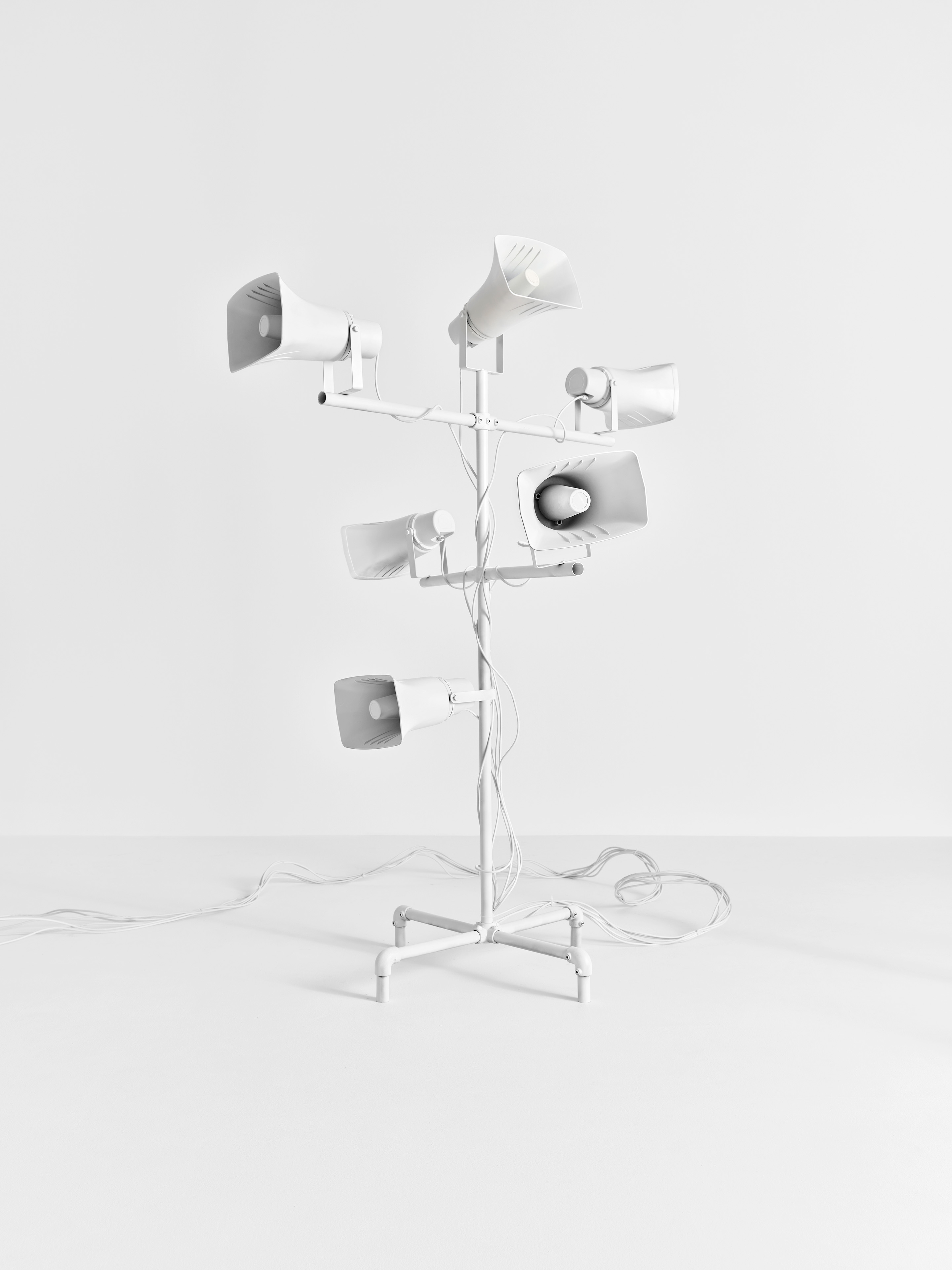
Construction and testing
In the same way that a sunshade transmits, reflects, and absorbs different proportions of light, a curtain does the same with sound.
16 Jun 2025 | Designing sounds
Predict the acoustics with Svensson's tool
By predicting the acoustics at an early stage of your project, you can ensure that the technical solutions are seamlessly integrated into your vision.
13 May 2025 | Designing sounds
How sound-rated textiles work
Textile is a perfect material to complement other acoustic solutions with. Especially curtains that are developed to absorb sound.
21 Apr 2025 | Designing sounds
Classification
A product's ability to absorb sound determines its sound absorption coefficient. It can range from 0.0, which means no absorption, to 1.0, which is total absorption.