


 Cut measure


Stockholm
Showroom
Götgatan 9
116 46 Stockholm | Sweden
-
+46 735 62 09 01 (Agnes Jiseborn)
-
+46 722 21 58 13 (Nicole Nörgaard)

Hanger
Cut sample
Sample card
Cut measure
Total
No products in cart
Tools and guides
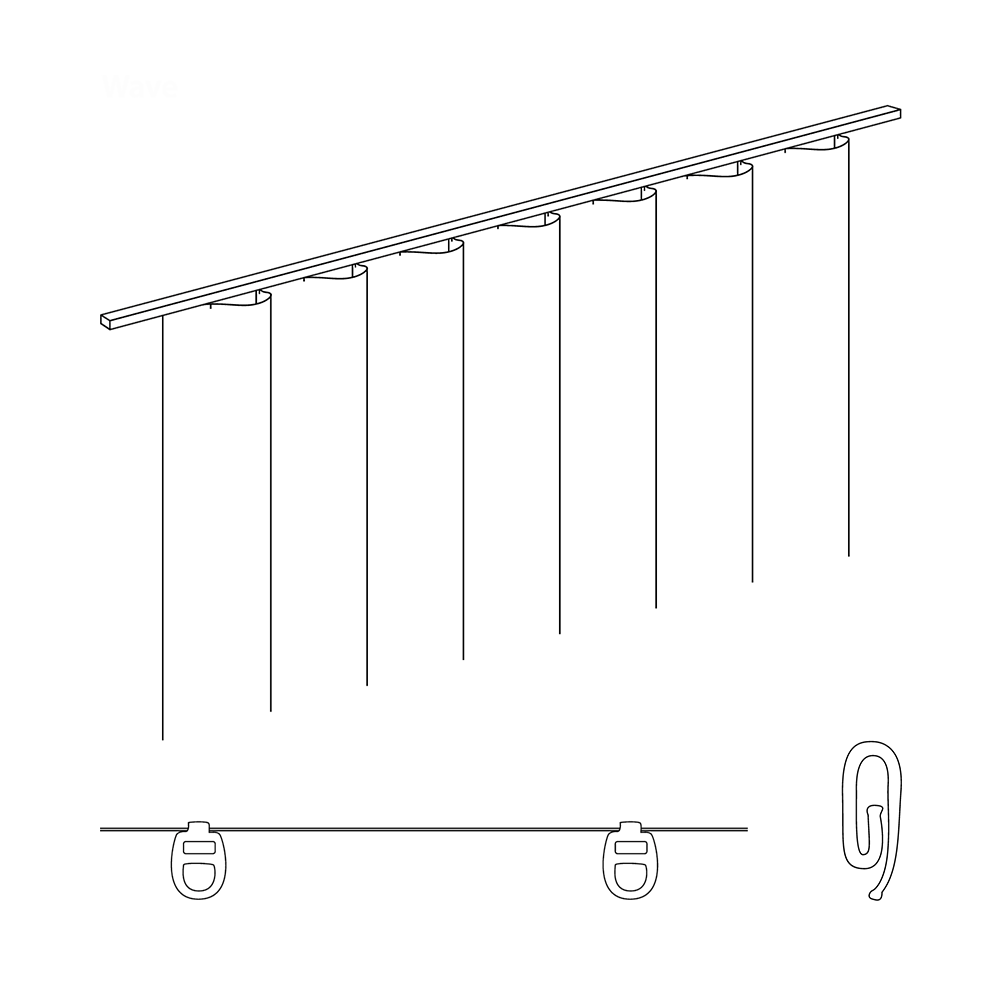
Wave fabrics are hung using pleat hooks (also known as shrimps) that are attached to the wave tape at the upper edge of the fabric. The hooks are hooked onto the glides that are attached to a string with 60 or 80 mm intervals.
Fixed distances ensure that the fabric stays gathered even when it is moved along the track.
A hanging fabric with wave hanging creates large waves that cause the fabric to increase by a few cm in depth, on each side of the track.
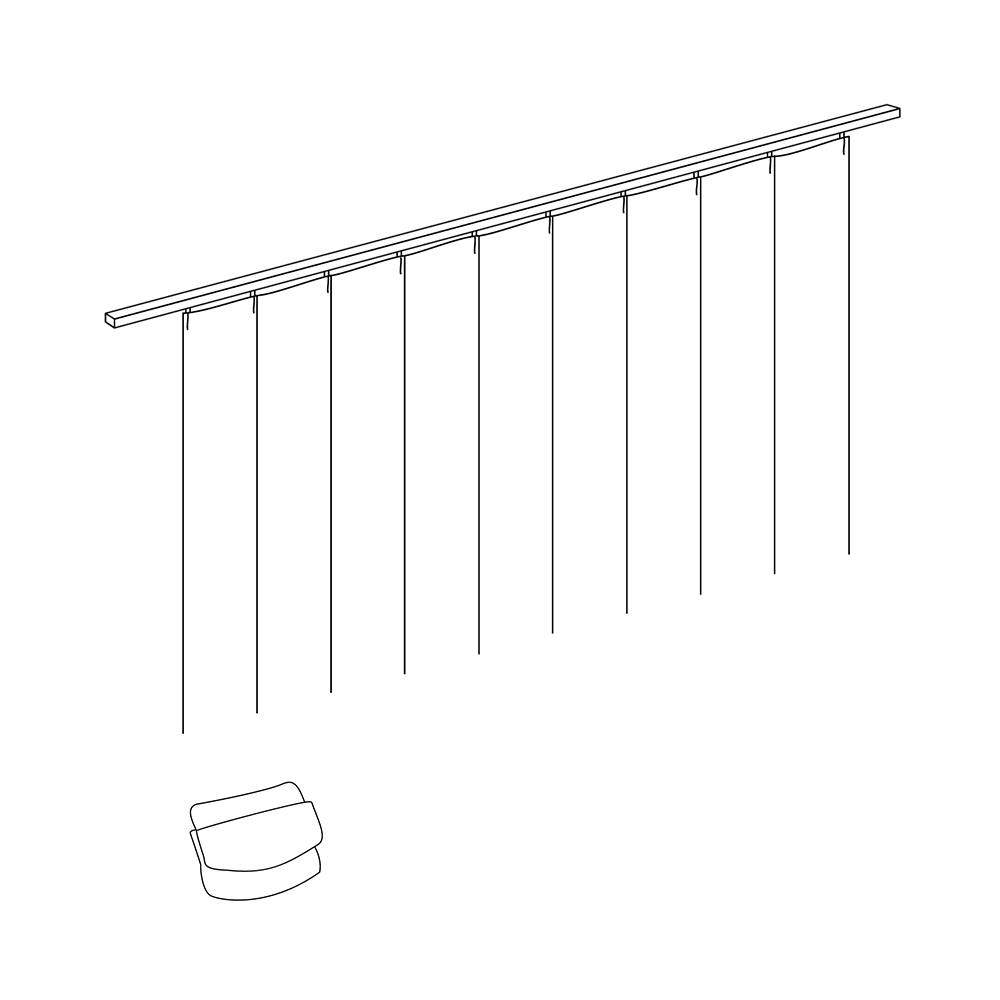
Small sliders can be sewn into the fabric to create finished pleats, but the pleats can also be omitted to create a completely smooth fabric.
Sewn sliders are sewn directly into the top of the fabric, making the stitching look the same on both sides of the fabric.
Since the front and back look the same, this hanging model can be used for glass partitions and as room dividers.
Pleat tape textiles are named after the pleat tape that is attached to the back of the fabric.
Finger hooks are threaded through the pleat tape, creating a wave-patterned appearance throughout the textile.
By positioning the finger hooks closer together or further apart, smaller or larger pleats are created respectively.
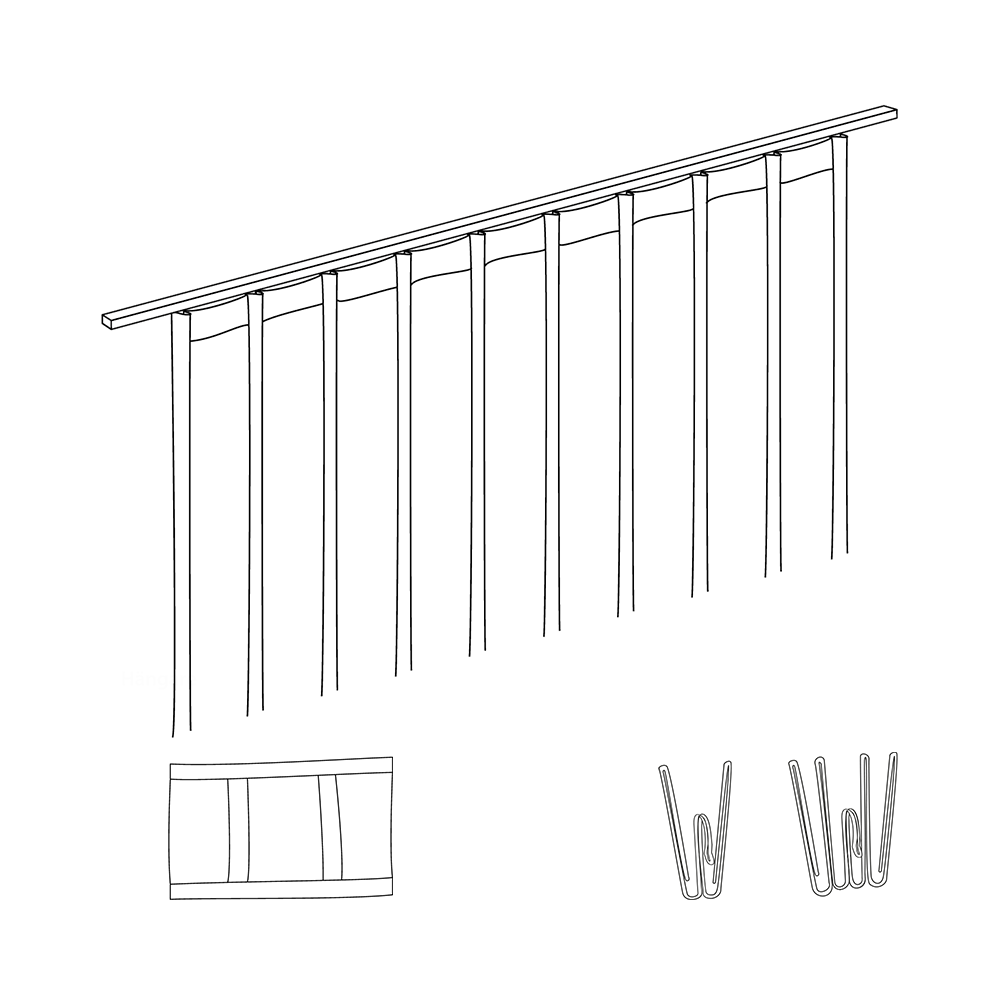
Many of the textiles on the market have a width of 300 cm. Curtain fabrics of this width are usually intended to be sewn and hung so that the width of the fabric constitutes the height. In this way, the finished curtain can actually be made any length.
It's important to keep in mind that the wider you make a curtain piece, the more cumbersome and difficult it becomes to handle during sewing, hanging, and washing.
To help the curtains hang straighter, 3 cm wide pockets can be sewn into the hem at the bottom on the sides where loose weights can be placed.
We recommend always using weights.
For patterned fabrics, the term pattern repeat is often used. That is, how long the pattern is from start to finish.
If you want to match the pattern of your curtains, you need to take the pattern repeat into account when calculating the fabric consumption. For a curtain fabric with an irregular pattern, or a pattern where the start and end are unclear or large, you do not always need to match the pattern of the curtains.
You can find the pattern repeat of the fabric on our website.
Visit one of our showrooms to see examples of different curtain models and get tips and advice for your project. By appointment only.
Showroom
Götgatan 9
116 46 Stockholm | Sweden
+46 735 62 09 01 (Agnes Jiseborn)
+46 722 21 58 13 (Nicole Nörgaard)
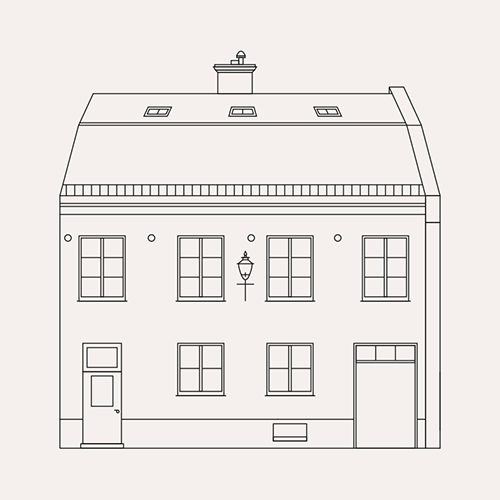
Showroom
Kaserntorget 8
411 18 Gothenburg | Sweden
+46 722 03 06 65 (Zandra Ernebro)
+46 736 22 73 22 (Therese Östby)
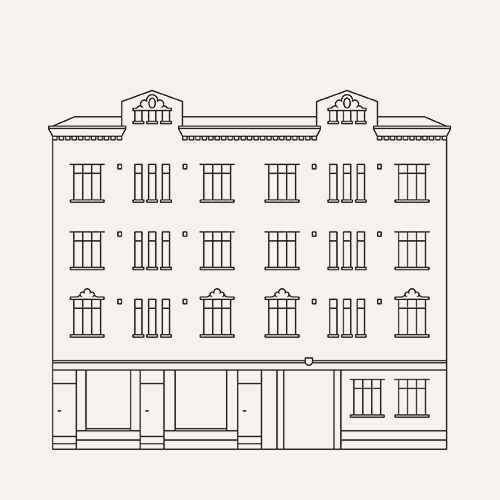
Showroom
Jääkärinkatu 7 | Myymälä 1
00150 Helsinki | Finland
+358 505 371 909 (Janina Tujula)
+358 503 369 962 (Kia Koski)
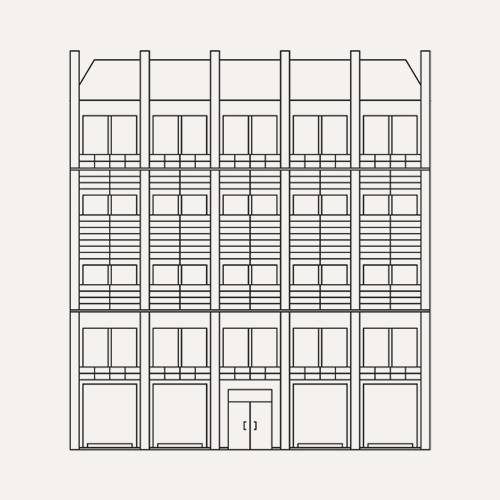
Canvas
Skøyen Atrium | Drammensveien 145
0277 Oslo | Norway
+47 4186 4495 (Trine Wahl-Westreng)
+47 9285 2279 (Henriette Bergsjø))
Sven is our web service that makes it easy to order customised curtains - from measurement to final delivery. In the tool, you can choose fabric, model, and hanging style, see the price directly, and let Sven calculate the fabric consumption for you. Each curtain section is marked according to room number, so that everything is correctly placed right from installation.
The service is developed by Svensson and is used by interior designers throughout the Nordic region to simplify the process from idea to finished solution.
Fill in our form to apply for a login – and we'll help you get started with Sven.
