

The advantage is that you can close this screen 100% in the summer. The summer screen can also be used as an additional energy screen.
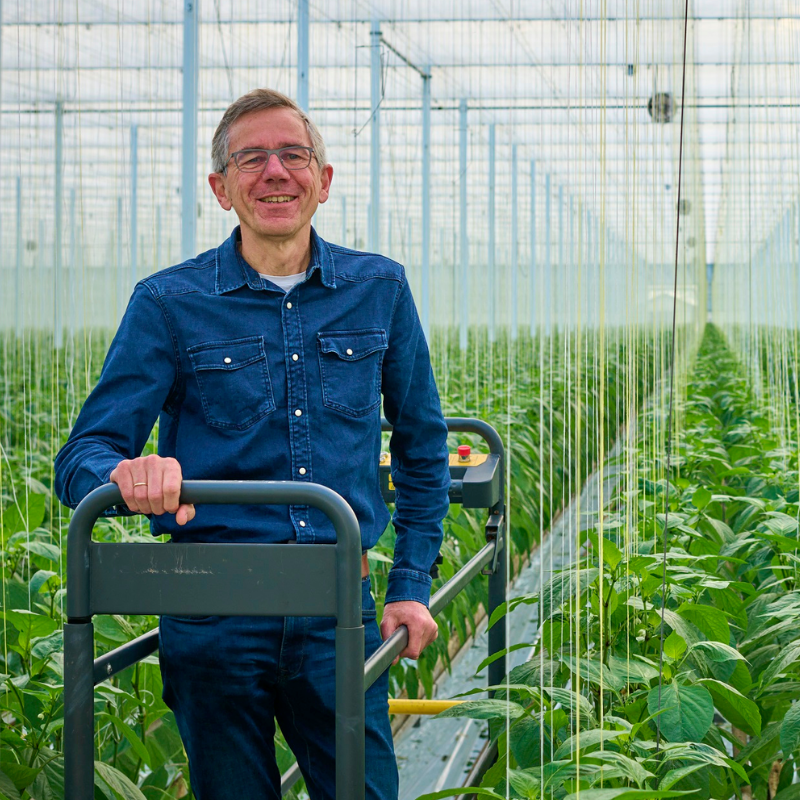
More savings and a better climate with dual screens
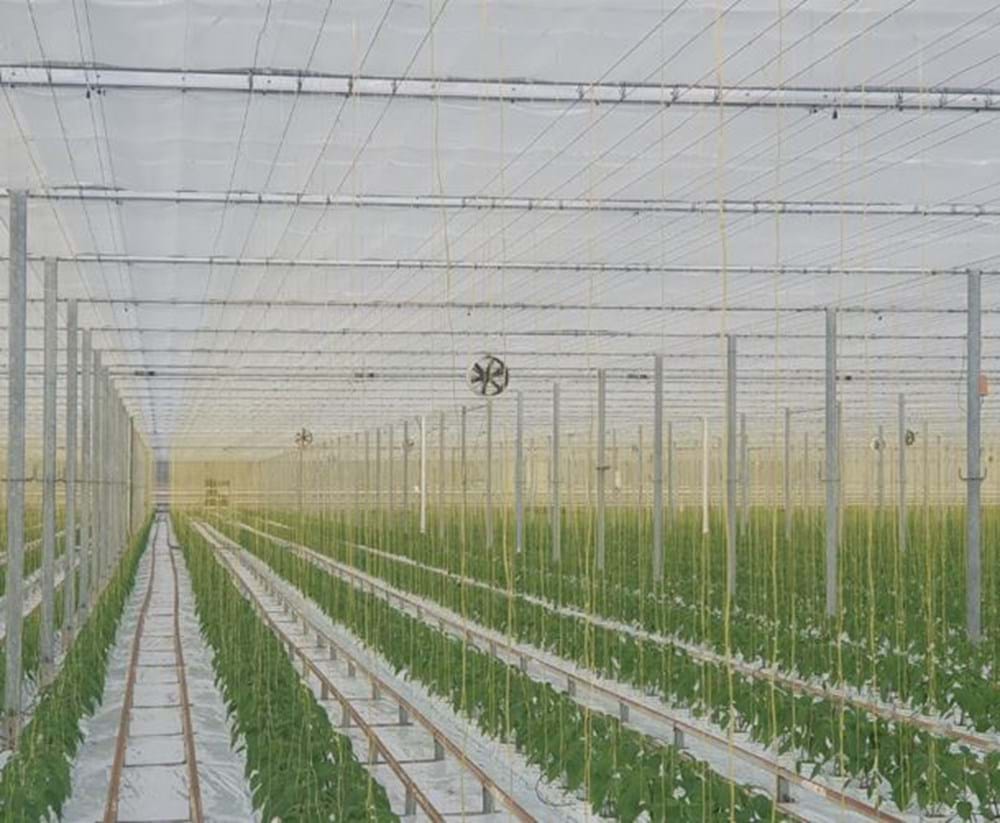
For the past two years, growers of tomatoes, cucumbers and peppers have been rapidly switching to a double climate screen solution, influenced by higher gas prices and government tax incentives. Growers can choose from various options: a double energy screen, a combination of a blackout screen and energy screen, or a solution with an extra summer screen. The energy savings can be up to 70%.
Leveraging double climate screens in pepper cultivation has been commonplace for some time. Logically, because of the higher day and night temperatures, a double screen pays for itself most quickly in this particular cultivation setting. A second advantage is that a double screen helps to retain more moisture, which ensures a better growing environment, especially at the start of cultivation.
“That advantage is less impactful with cucumbers and tomatoes, but not unimportant. Eggplant is also a fast grower with a lot of evaporation, which allows the plant to 'create its own climate'. Tomatoes are also grown at somewhat lower temperatures. Yet, you also see more and more interest in a double, movable screen for these crops,” says Svensson Climate Advisor Hugo Plaisier.
Remove foil, insert energy screen
According to Plaisier, the annual fixed foil screen is on its way out in pepper cultivation. “The investment is relatively low, but inserting and removing it is no fun. It is less flexible than a movable screen, and the question is always: when do you take it away? If you think the cold will come back, you leave it longer, but if it stays away it will become more and more cumbersome. Especially in mild conditions of 5 to 10 degrees Celsius and sunshine. You can then poke holes in the foil to drain moisture, but that also requires labor. And afterwards, you are left with a mountain of plastic waste. That is why more pepper growers are opting for a second movable screen.” In practice, growers usually opt for two transparent energy screens, Plaisier continues.
Compensating for radiant heat in tomatoes and cucumbers, many growers have stopped using lighting due to high electricity prices, or, if they have a hybrid system, only turn on LED lighting. For this reason, some growers have supplemented their Obscura light abatement screen with a second transparent energy screen. “For growers who have stopped using SON-T or switched to LED, a second energy screen is often necessary to compensate for the loss of radiant heat. LED produces much less radiant heat than SON-T, which you can absorb with a second energy screen. You also see tomato growers - just like with peppers - replacing a foil screen with a second movable energy screen. Growers who continue to illuminate, or want to keep that option, then choose the combination of Luxous and Obscura. You see the same development with cucumbers.”
Up to 70% energy savings
The Obscura 9950 FR W light emission screen has recently become available in a second variant: Obscura 9970 FR A. “The latter variant was introduced in early 2023. The new screen saves about 15% more energy because it is a fully aluminum climate screen. In combination with a second Luxous screen, the additional savings is around 8%. With ENERGYPerfect, the combination of Luxous and Obscura, you can save the most through a smart screen strategy. With both screens closed, the total savings is up to 70%. But not everyone automatically chooses the best insulating screen, the Climate Advisor continues. “With heavily lit tomato cultivation you have to deal with a lot of heat input from your lamps, which can limit the use of the screens. This may influence the choice of which Obscura variant is chosen.”
There are also growers who have a Harmony summer screen installed as a second screen (next to an Obscura or Luxous). “One of them is tomato grower Looye in Burgerveen. It is a diffuse screen with an open structure, so it breathes nicely. The advantage is that you can close this screen 100% in the summer. The summer screen can also be used as an additional energy screen. That saves less extra energy than a second Luxous screen, but still more than 5%.”
Calculate your savings
Plaisier, along with Svensson Climate Advisors in other regions, can substantiate which option is the most profitable for growers with an energy calculation. This calculation takes into account the specific circumstances of the grower and simulates the addition of another climate screen to estimate savings. “With the energy calculator, we can take a look at various models comparing no screen to multiple screens to see the potential savings. We actually use the data from your greenhouse to ensure the closest possible calculation to what growers can save”, says Paul Arena, Climate Advisor.
To receive a customized energy calculation for your greenhouse, simply submit a request and a Climate Advisor will reach out for your information shortly.
From one grower to another.
Explore real-world stories like this.
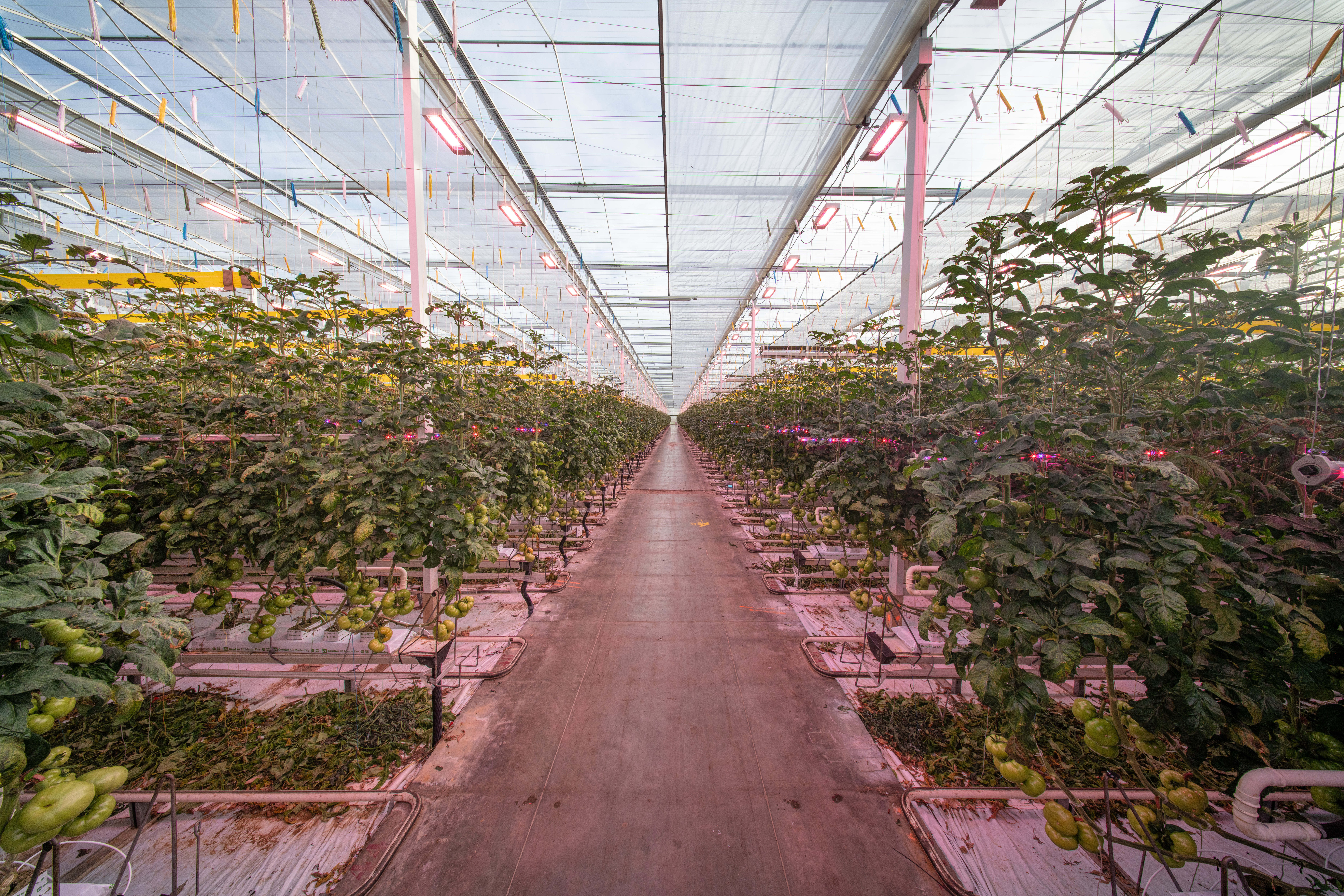
11 May 2026 | Tomato
Herdi in Belgium
Switching to full LED requires different choices in the greenhouse. At tomato company Herdi in Belgium, this has gradually become clear over the past few years. With a total of 9.5 hectares of greenhouse and full LED lighting, the conclusion is clear: double screens are not a luxury, but a necessity.

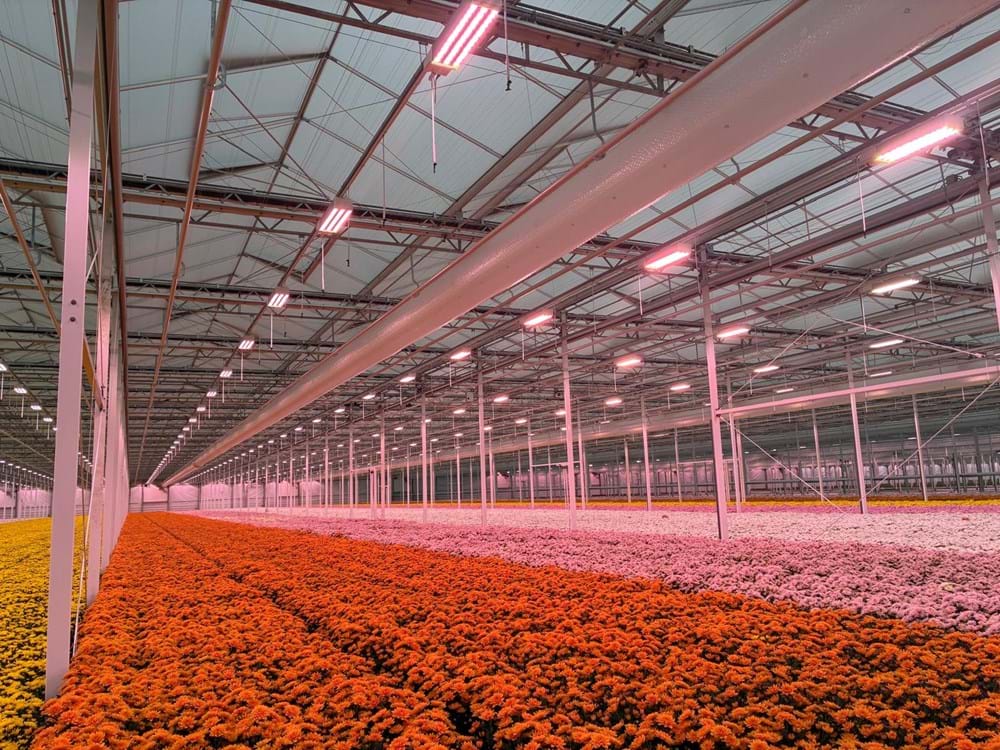
26 Nov 2025 | Chrysanthemum
Leen Middelburg in the Netherlands
At Leen Middelburg Chrysantemums (LMC) in Made and the Westland region, the third generation is now in charge. Barry and his cousin Sander took over the family business at a young age, after an intense period of illness and loss in the family. Today they manage five locations and are fully committed to scaling up, sustainability and data.
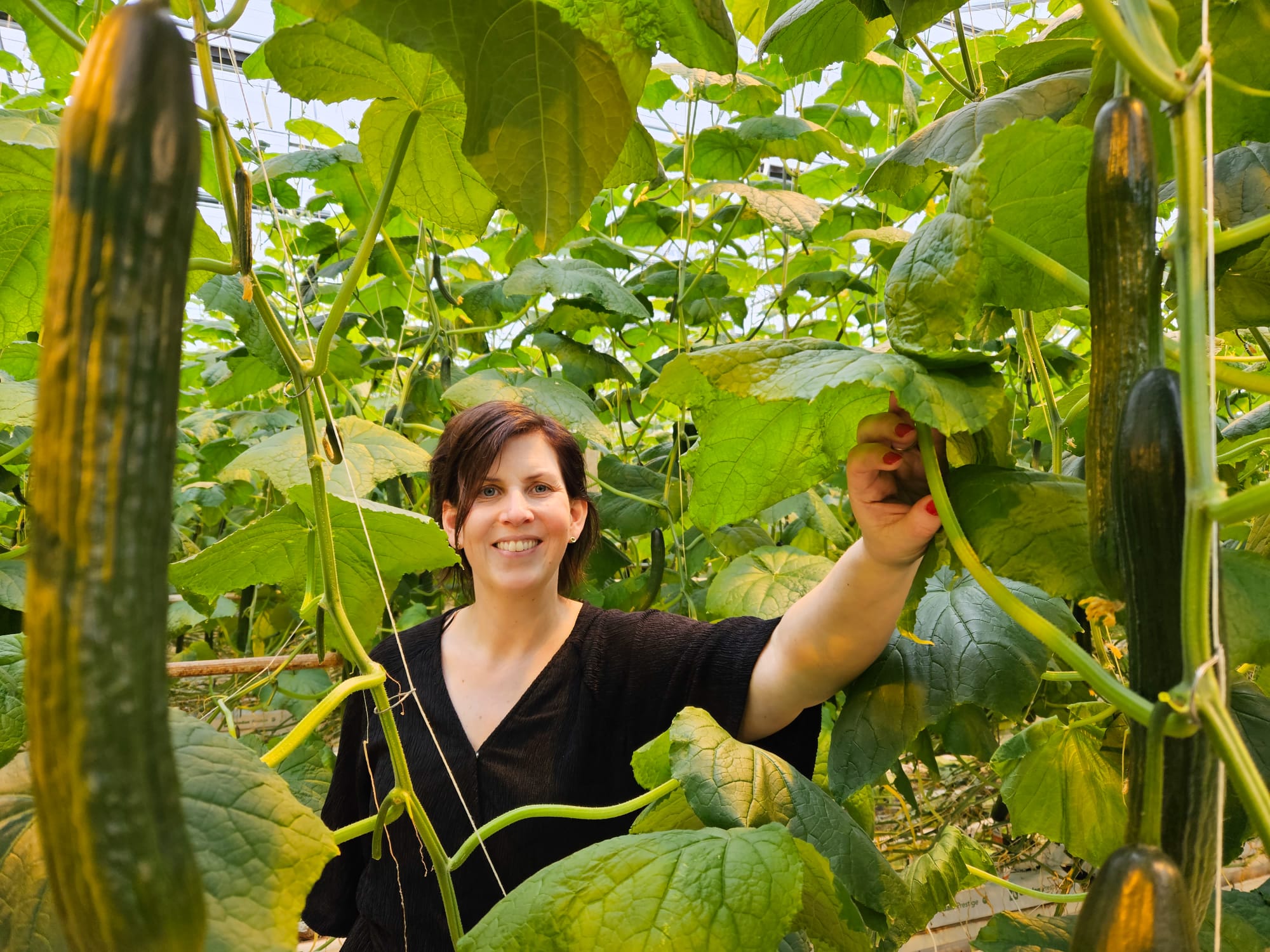
18 Nov 2025 | Cucumber
Drenthe Growers in the Netherlands
On the outskirts of Erica, Drenthe, Inge Bergsma-de Vries, her two brothers, her husband, and her father run a modern 18-hectare cucumber farm. Drenthe Growers is not only a true family business but also a prime example of how to deliver top quality every day while working towards a sustainable future.
29 Oct 2025 | Orchid
ANSU Orchids in the Netherlands
ANSU Orchids upgraded to Obscura 9970 FR A as a way to manage energy savings and shade with precision.
15 Aug 2025 | Tomato
TVA Growers in the Netherlands
TVA Growers upgraded to Luxous Light FR and Energy Monitor in 2024, continuing their trusted, energy-efficient collaboration with Svensson and Alweco.
16 Jul 2025 | Tomato
Haoyu Group in China
The privately held Haoyu Group has entered greenhouse growing, begun constructing its own glasshouses and pioneered new approaches to sustainable growing in just six years. It is now working with Svensson's Energy Monitor on advanced algorithmic screen control.
10 Jul 2025 | Tomato
Ridge Farms in Canada
At Ridge Farms, Emilio Mastronardi uses Svensson screens to cut energy use by 47%, protect crops in summer, and grow better-tasting tomatoes - all while tapping into automation and rebates to modernize sustainably.
13 May 2025 | Gerbera
Honghe Chuangsen in China
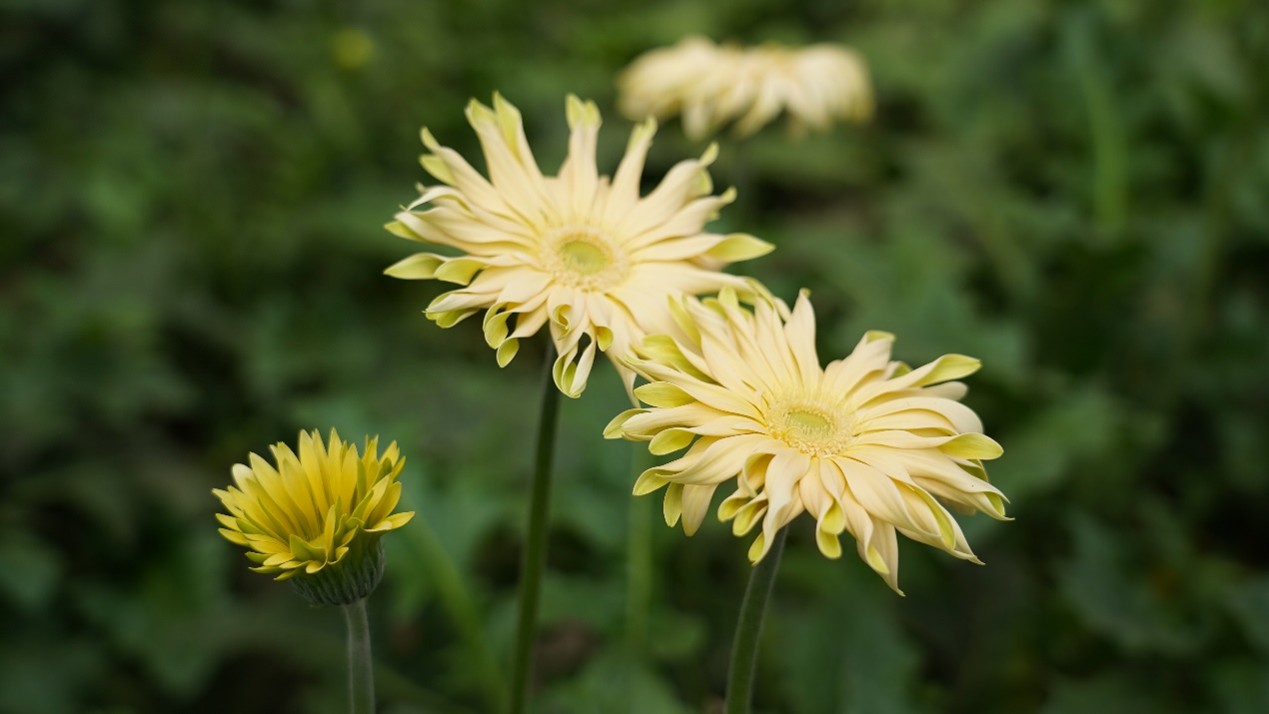
At Honghe Chuangsen’s gerbera greenhouse in Yunnan, double layers of Svensson’s diffuse Harmony screens create softer light and cooler conditions—improving flower quality, protecting petals from harsh radiation, and supporting energy savings across changing seasons.
22 Apr 2025 | Peppers
Twin Creeks in Canada
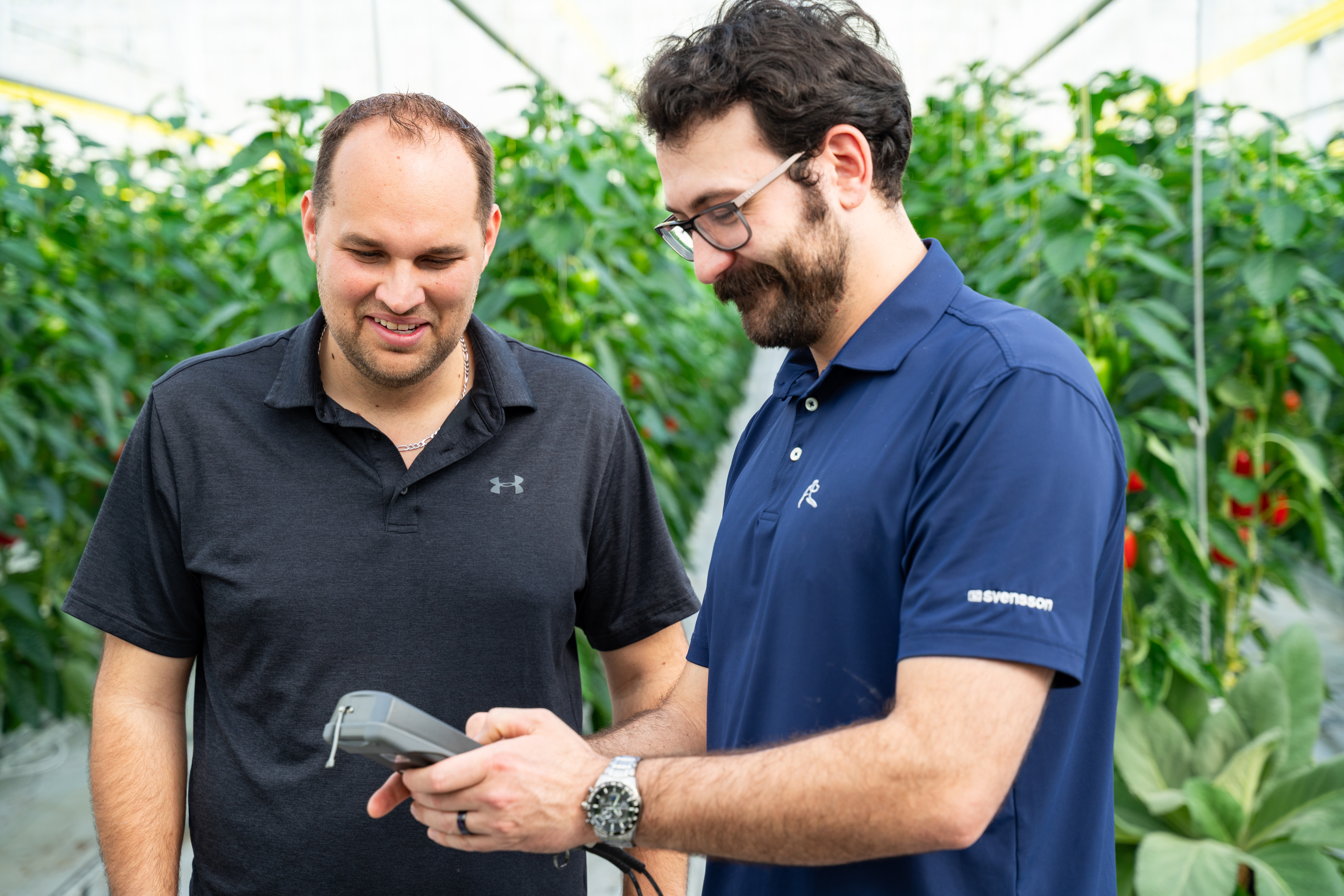
Discover how Twin Creeks improved climate uniformity, crop performance, and energy efficiency with ClimaFlow, double Luxous screens, and Energy Monitor.
21 Jan 2025 | Rose
Marjoland in the Netherlands
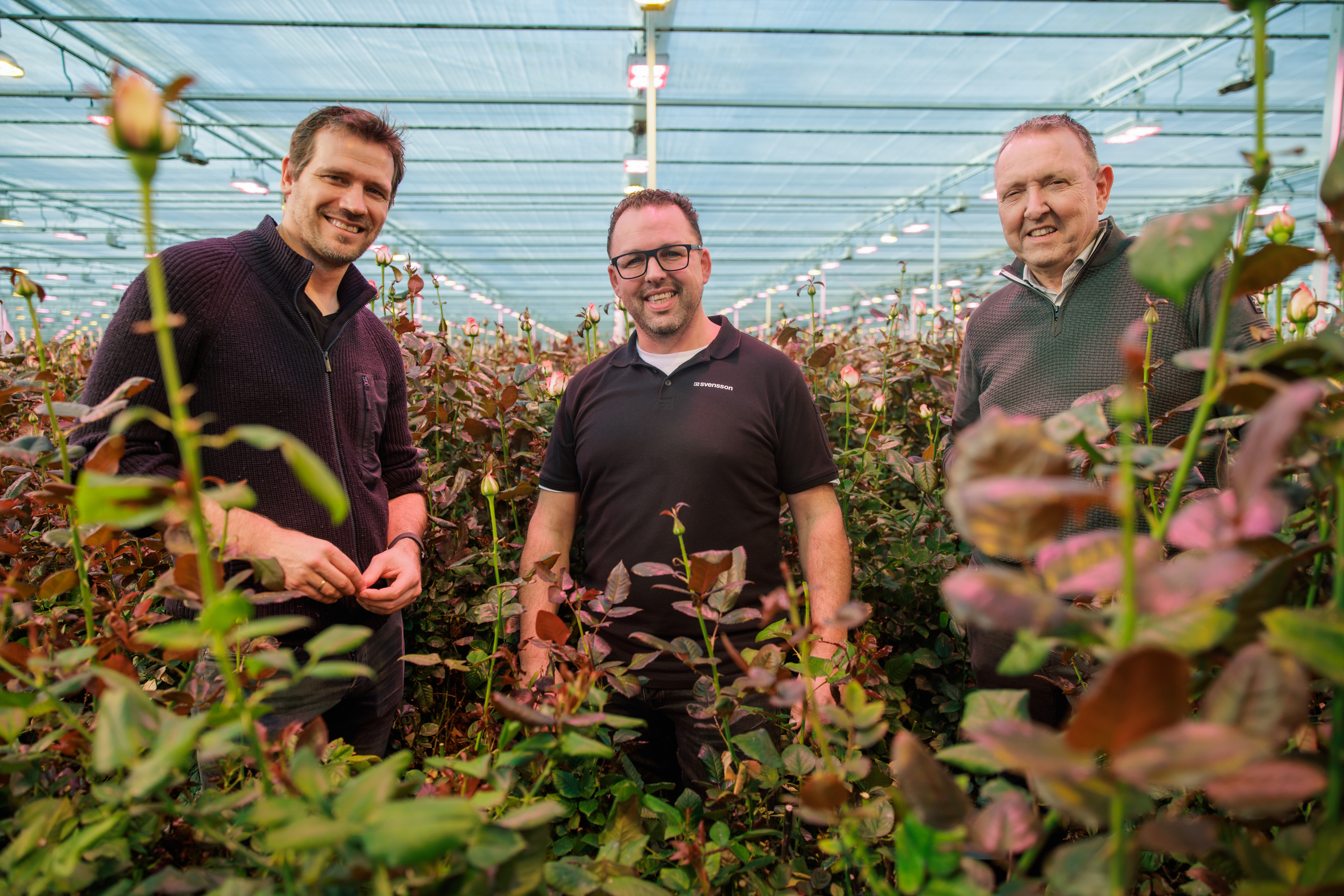
The transition from SON-T to LED lighting provides significant savings on energy costs for many horticultural companies, but also leads to new challenges. After all, the climate in the greenhouse changes under full LED, as is the case at rose nursery Marjoland. A Luxous 1147 FR energy screen, vertical fans from ClimaFlow and an extra growth tube at the top of the greenhouse are used to better manage the radiation, moisture balance and heat distribution.
15 Jan 2025 | Energy saving
Avoid higher gas consumption when switching to LED lighting
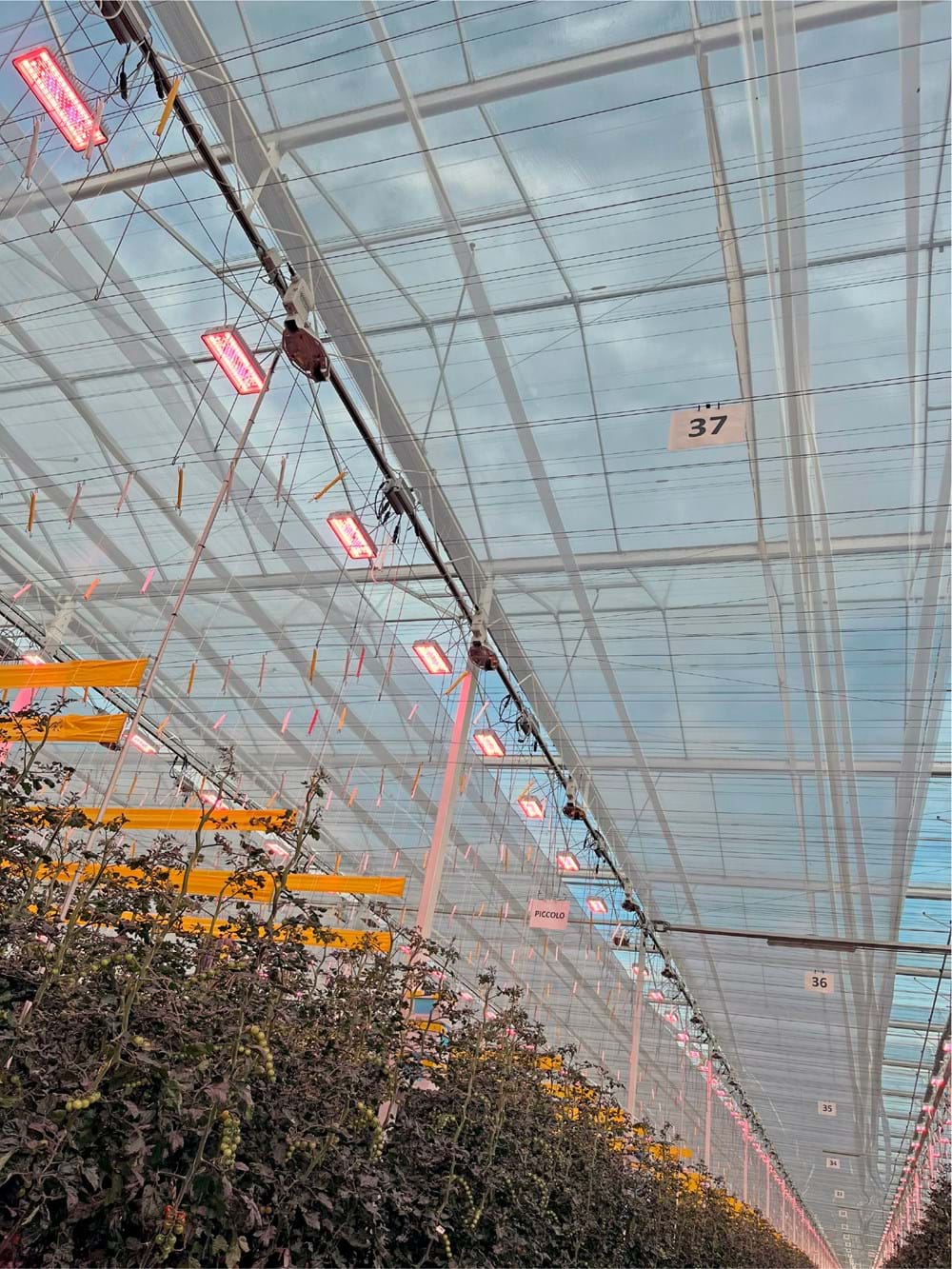
Climate consultant Bart Bakker explains how LED lighting affects greenhouse heat input and how screens and ventilation can prevent higher gas consumption.
26 Nov 2024 | Peppers
Maatschap Janssen in the Netherlands
A significant change was recently implemented at the bell pepper greenhouse of Gijs Janssen, the 22-year-old son of Reinier Janssen, in Nootdorp. Gijs and his parents decided to replace the existing climate screen and add a second one, both from Svensson. This project took place in January and February of this year and is an important step for the bell pepper grower to save energy.