



Climate challenge
Managing light in greenhouses
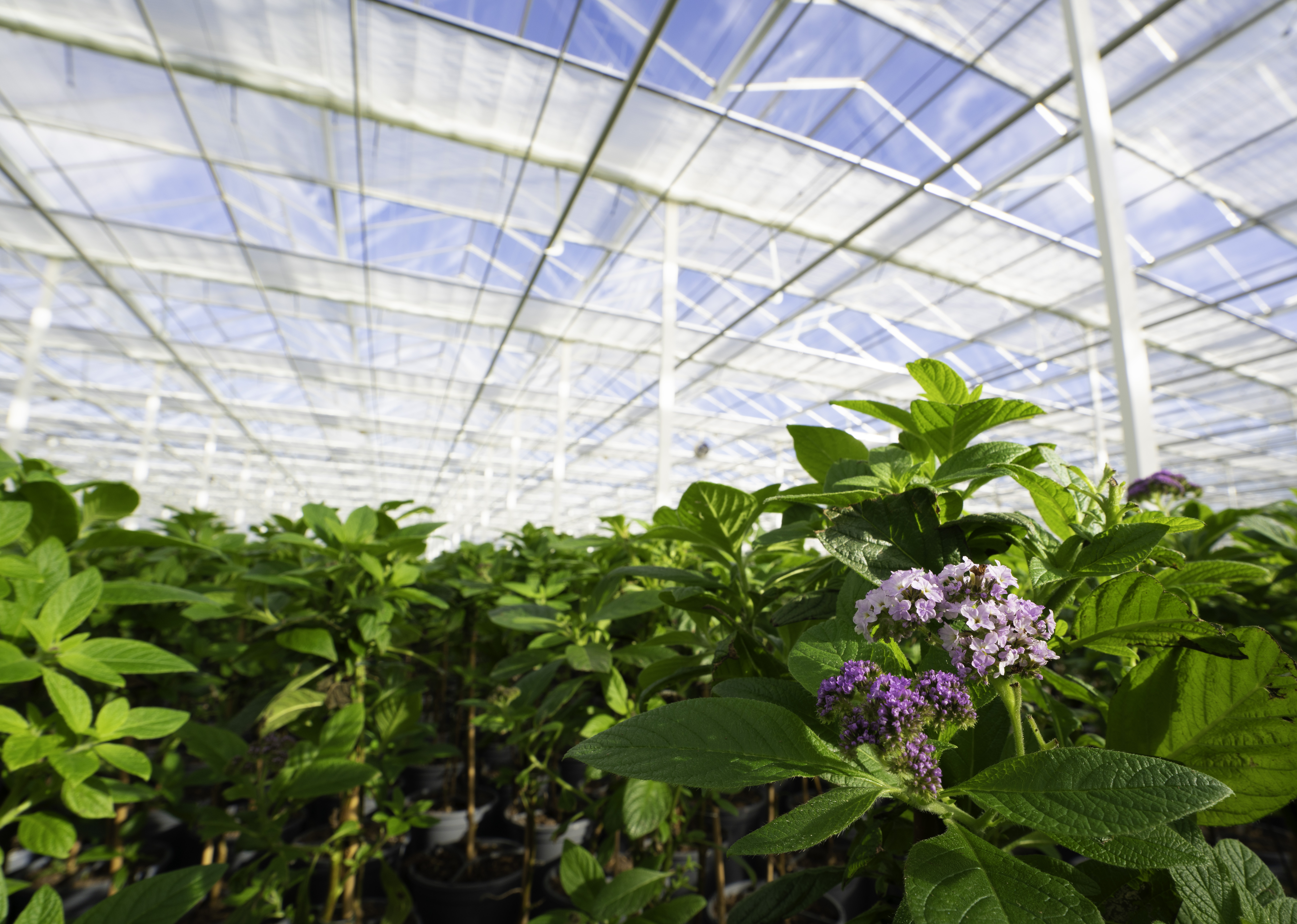
Light is essential for growth, but it also presents one of the biggest challenges in greenhouse production. Too much or too little can cause stress and limit results. With the right screening tools and strategies, growers can create balanced light conditions that support healthy, efficient crops.
Products designed to optimize light levels and improve crop performance.
Want to improve light control in your greenhouse?
Browse guides, tools, and proven strategies to help you optimize light for better crop performance.


Grower stories
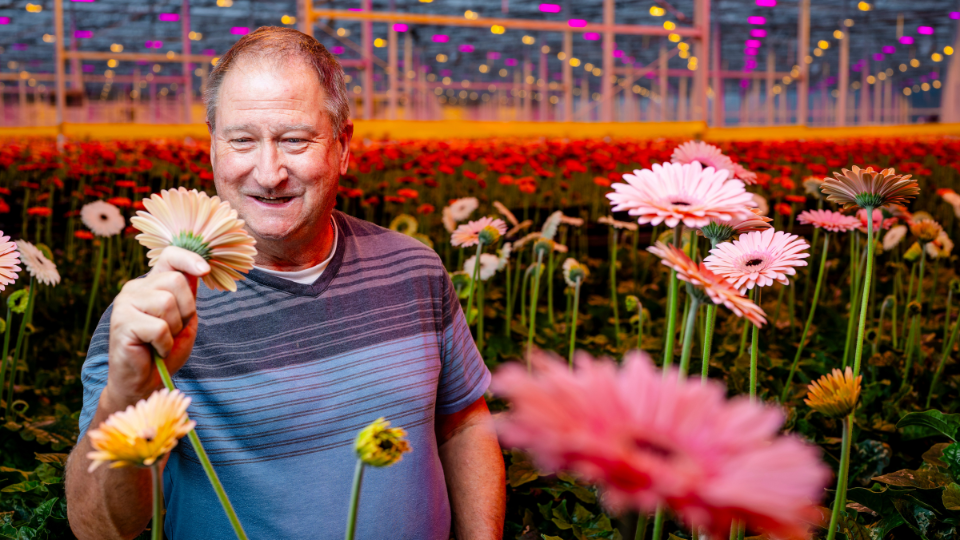
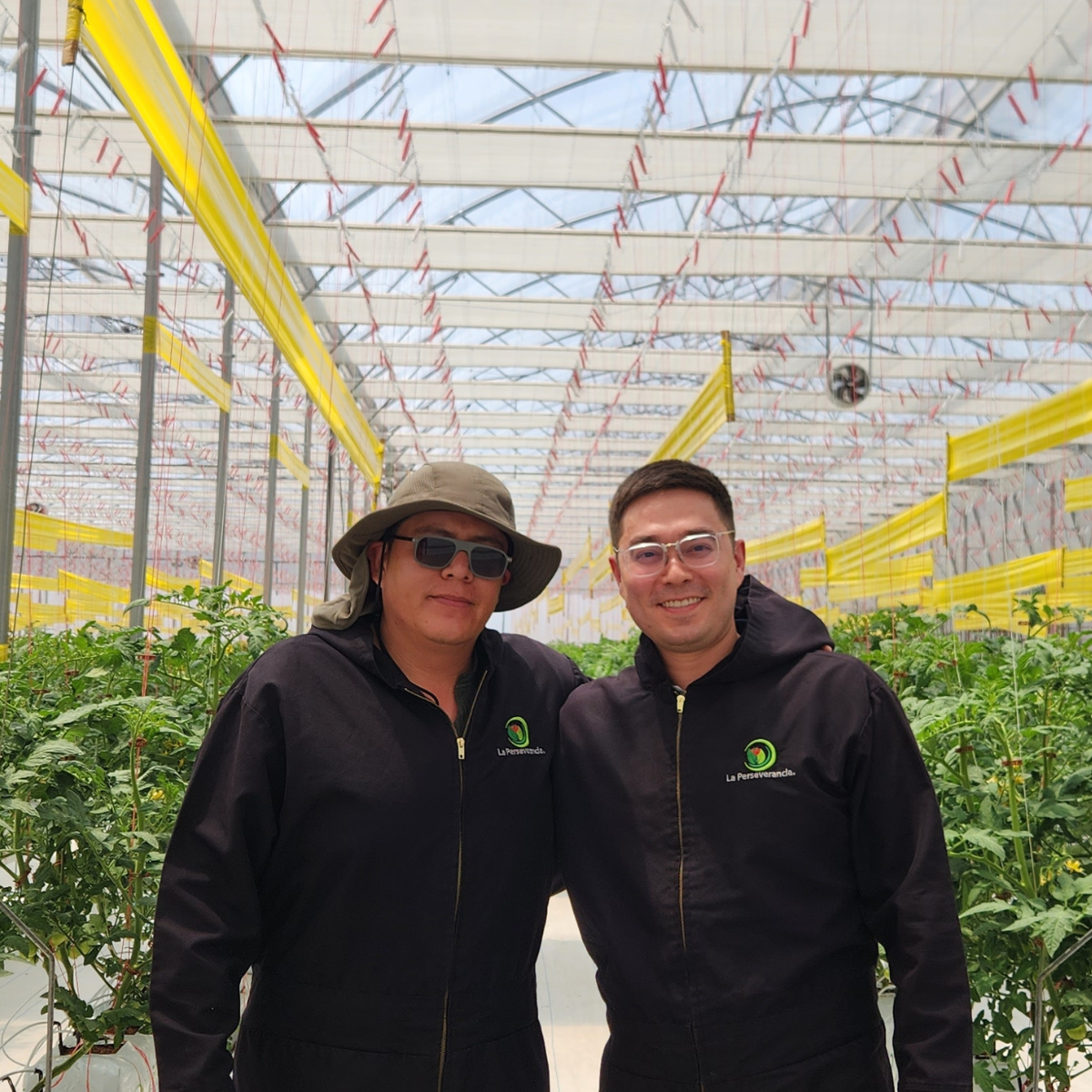
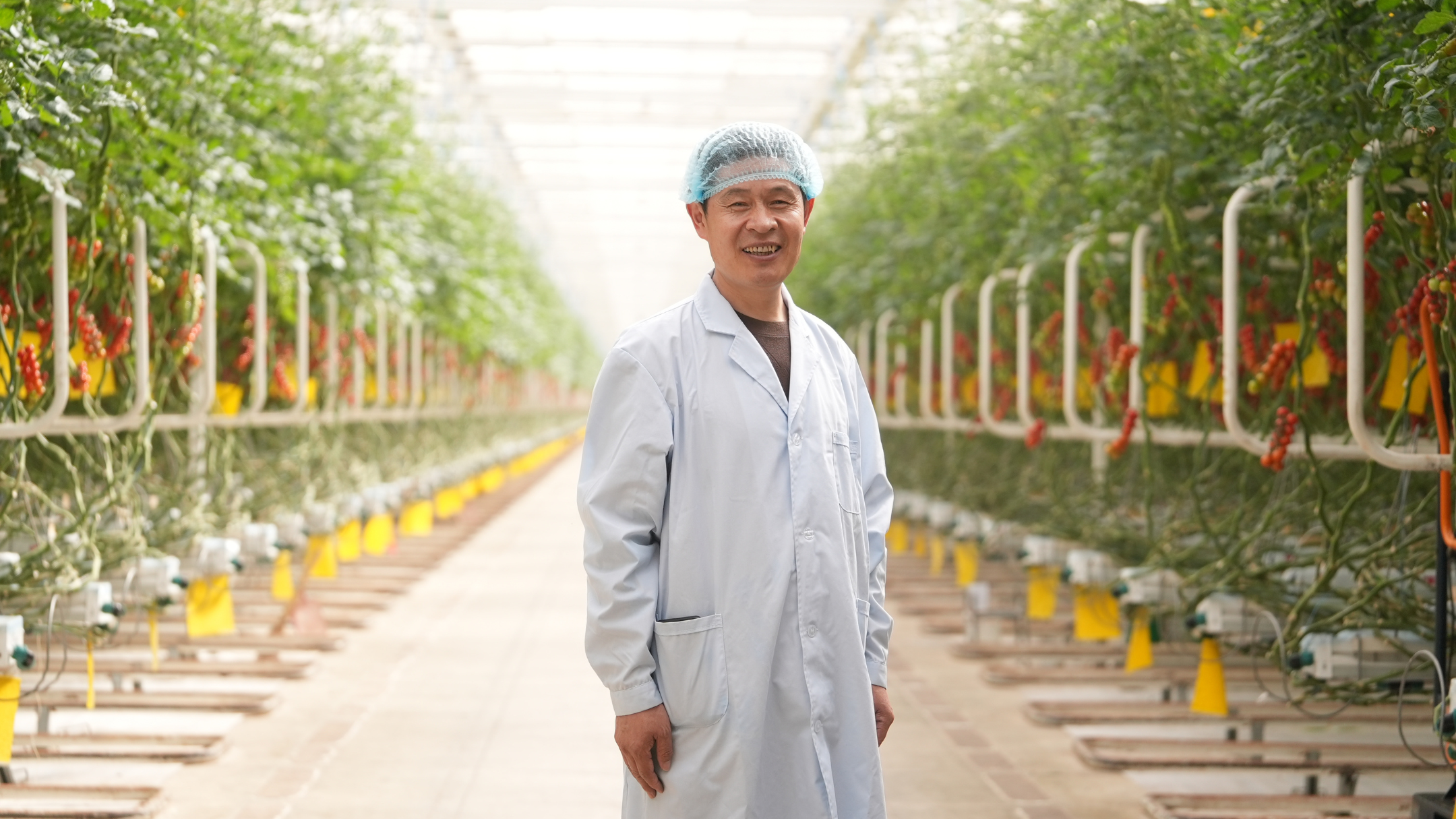
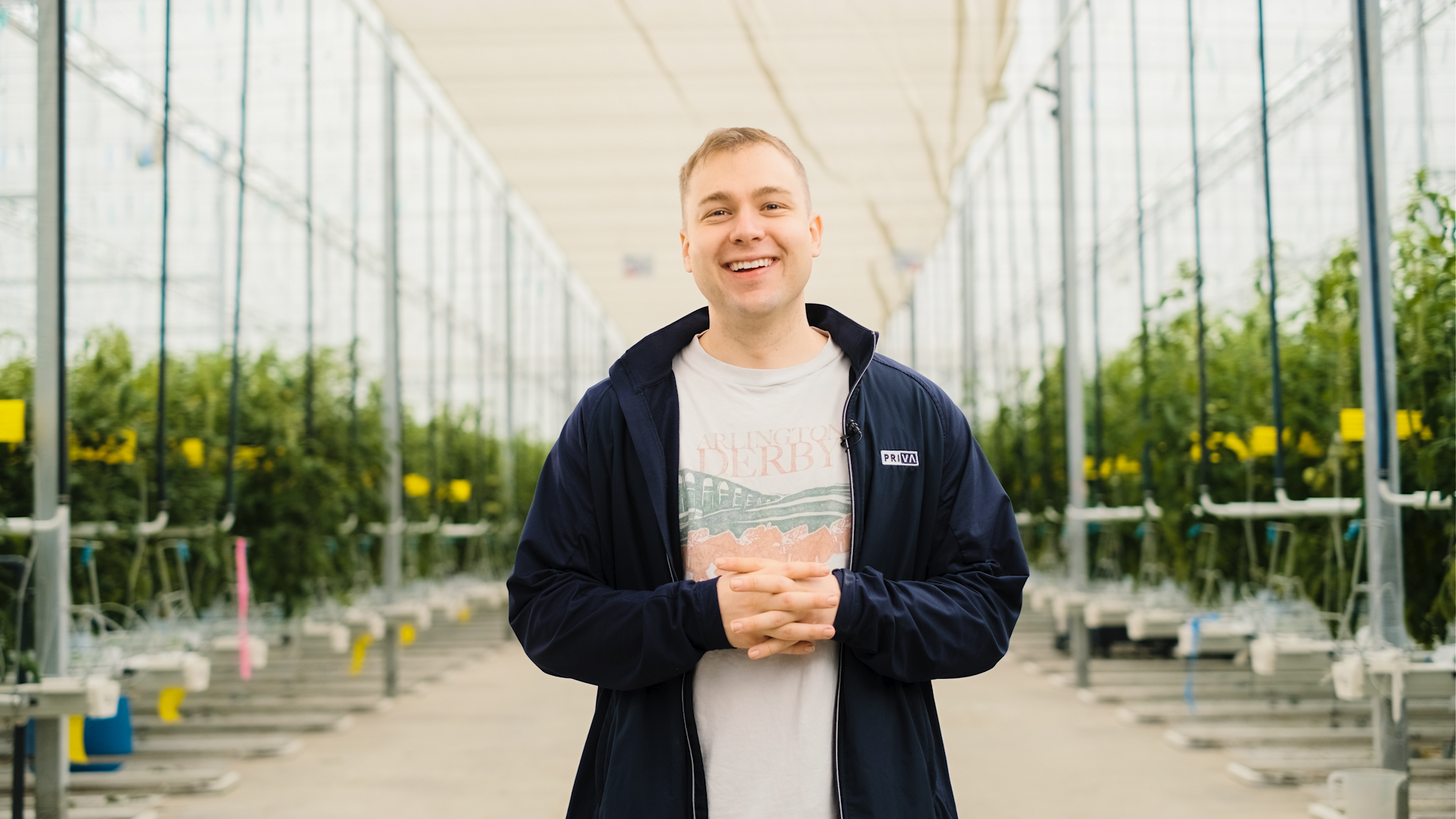
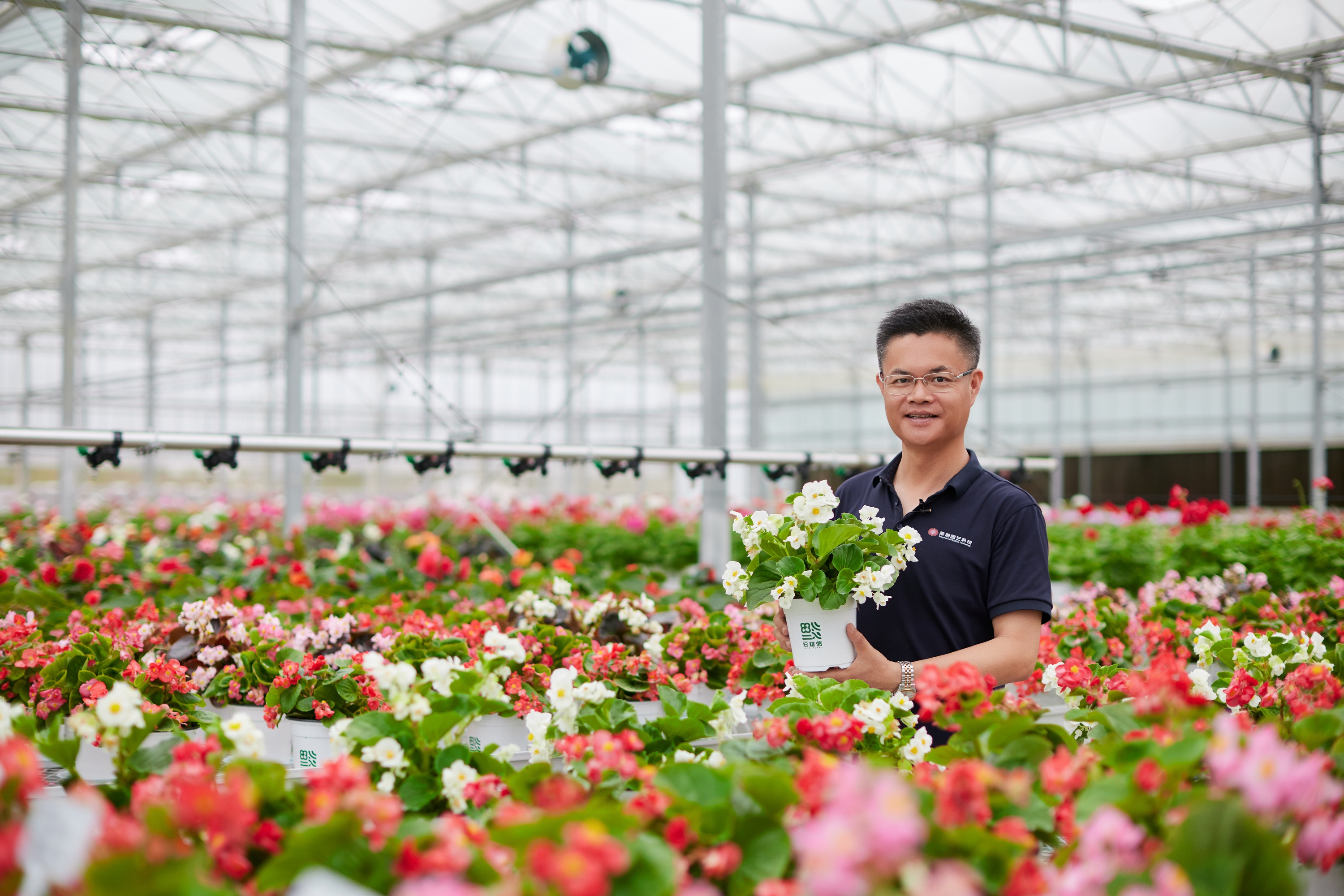
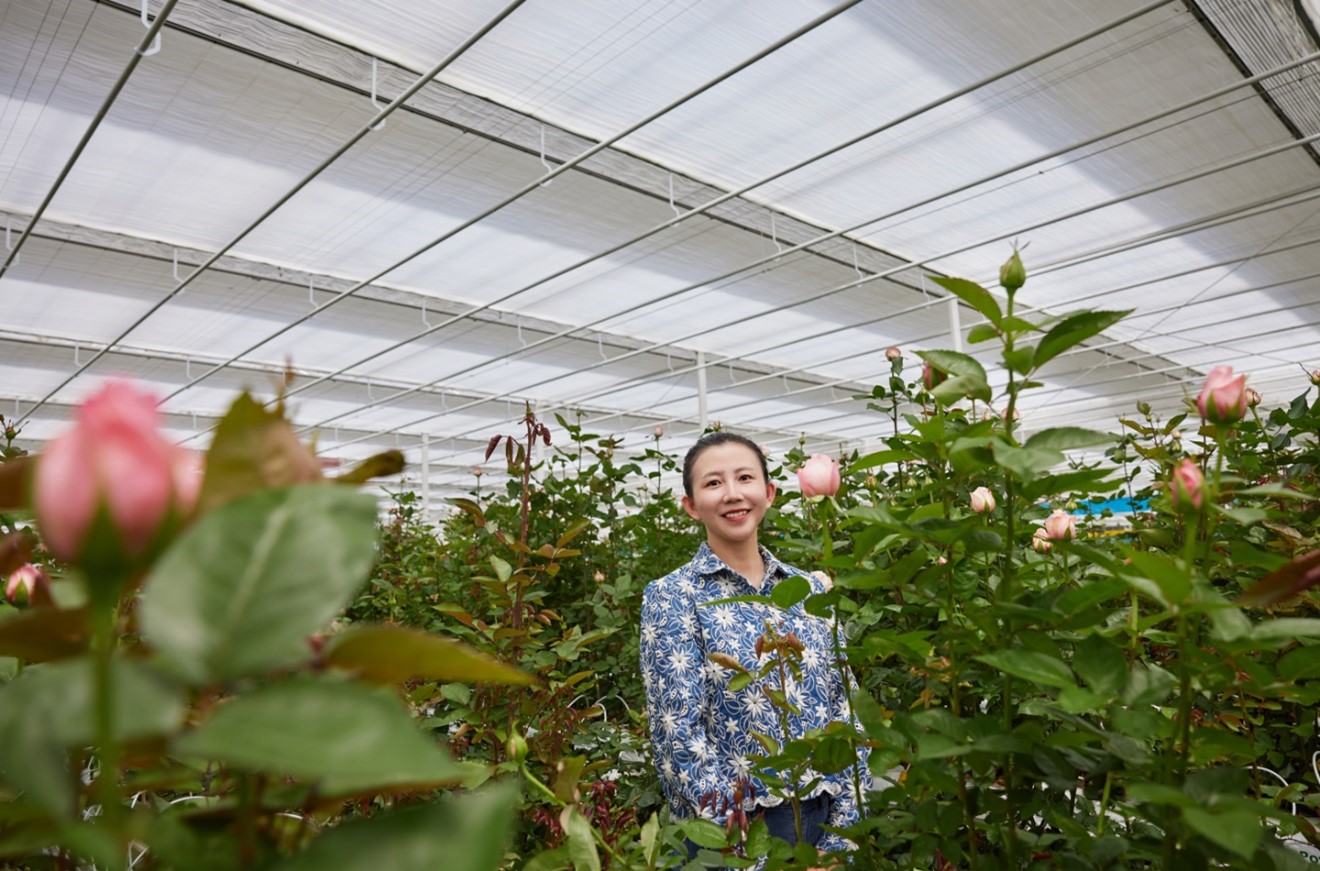
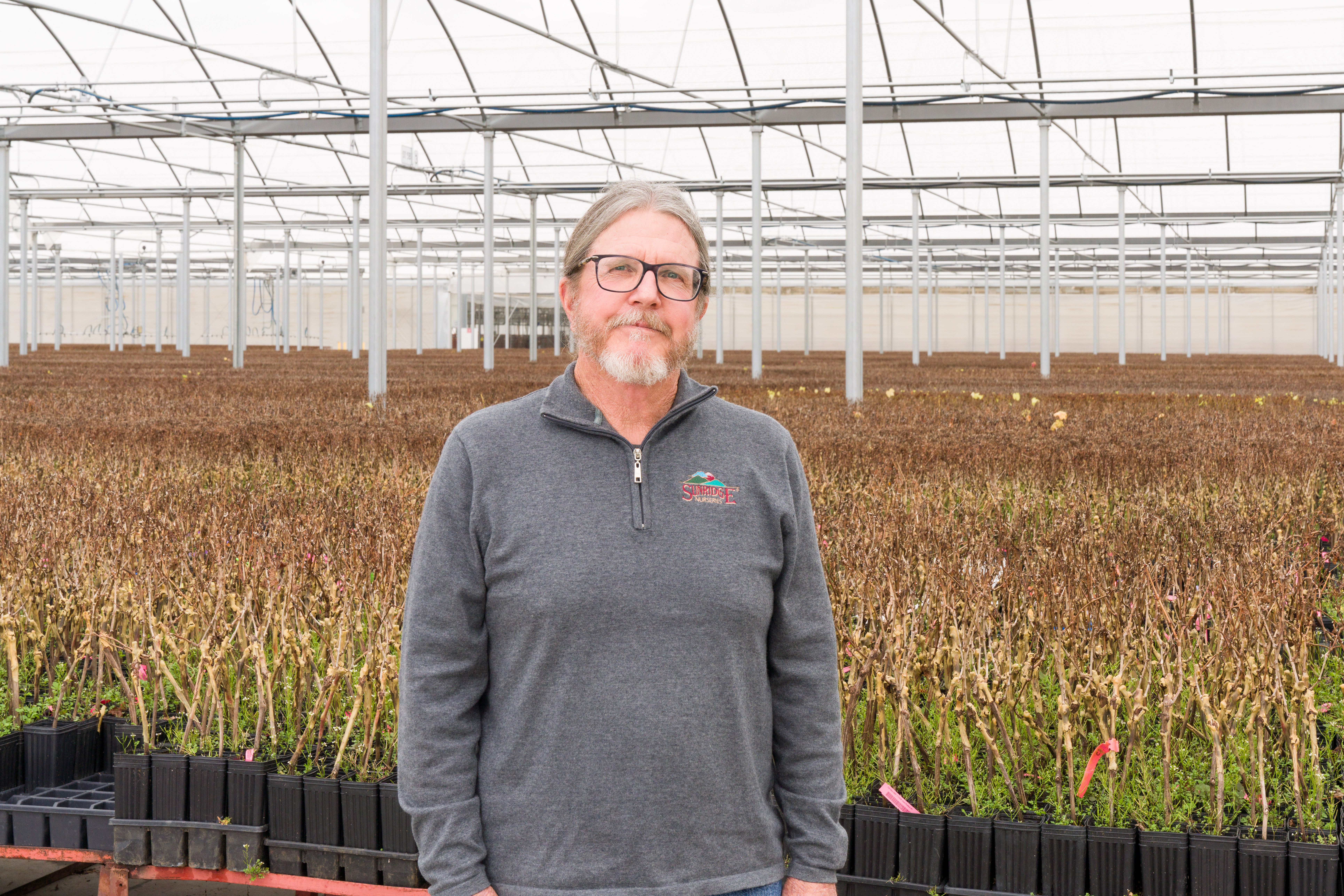
Explore real stories of overcoming light challenges and finding the perfect balance for crop success.

Have questions or need personalized support?
Connect with our experts to find the right light strategy for a healthier, more productive greenhouse.



Frequently Asked Questions
-
Why is light management important in greenhouse growing?
Effective light control improves crop quality, consistency, and growth rates while reducing stress from excess radiation or low light levels.
-
How can too much sunlight affect greenhouse crops?
Excessive light can lead to leaf burn, overheating, reduced quality, and uneven growth, especially in sensitive crops.
-
What type of screen is best for light diffusion?
Svensson’s Harmony and PARperfect screens are designed to scatter light evenly, reduce hotspots, and support uniform crop development.
-
Can light-diffusing screens help increase yield?
Yes. By providing more consistent light across the crop canopy, light-diffusing screens improve photosynthesis efficiency and promote uniform growth.
-
How do shading screens support crop protection?
Shading screens reduce light intensity during peak radiation, helping prevent crop stress and maintain a more stable climate.
-
What’s the difference between shading and light diffusion?
Shading reduces overall light levels, while diffusion spreads available light more evenly across the crop to avoid hotspots and shadows.
-
Can I manage light differently for winter and summer crops?
Yes. Seasonal strategies often include adjusting screen use, light levels, and airflow to maintain optimal light balance throughout the year.
-
What is photoperiod control in greenhouse growing?
Photoperiod control is the regulation of day and night length to influence flowering and vegetative growth in light-sensitive crops.
-
Why is daylength important for some crops?
Certain crops respond to daylength signals, triggering flowering only under short-day or long-day conditions. Managing light helps maintain crop timing and quality.
-
How can I control daylength in my greenhouse?
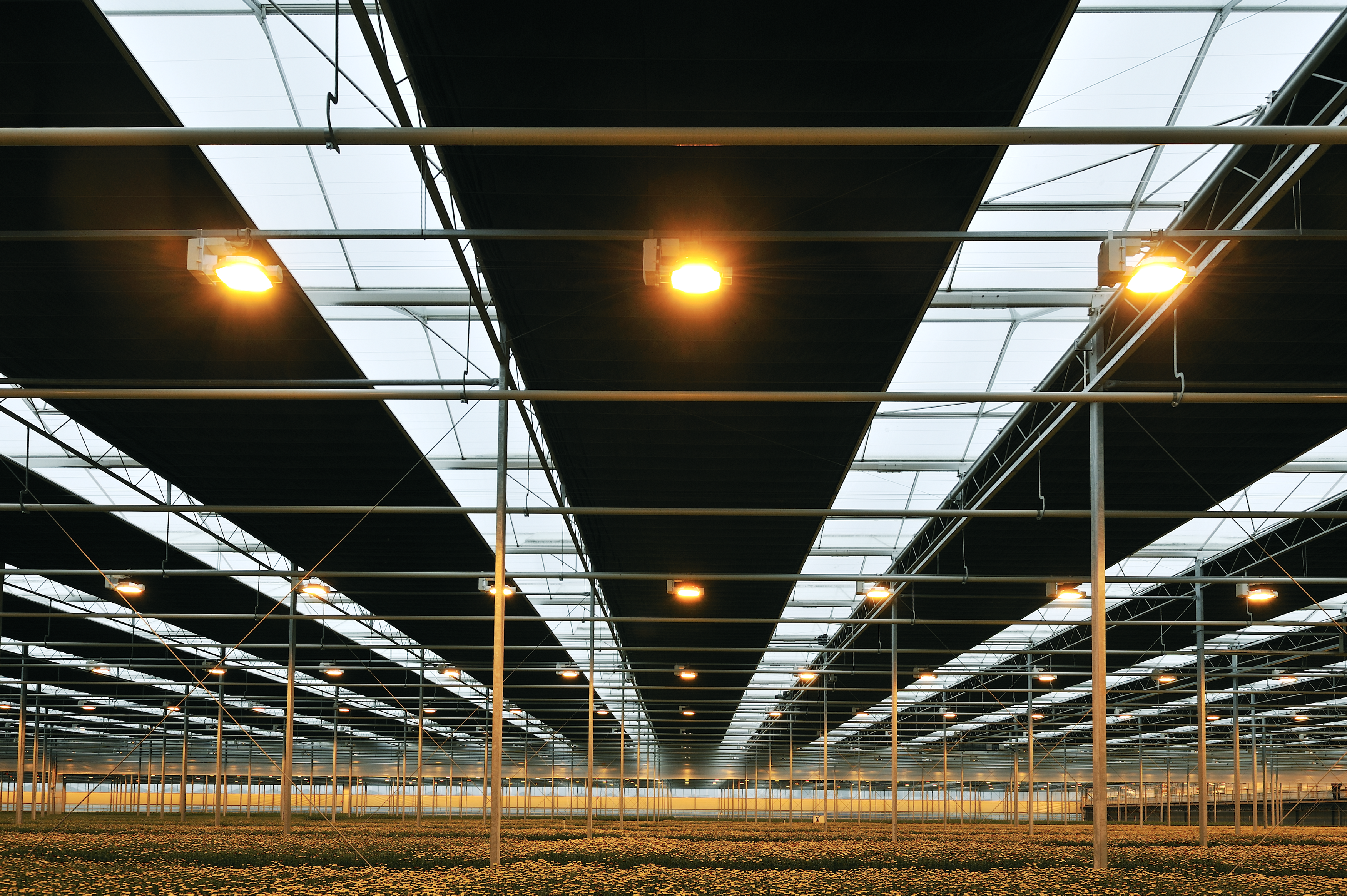
Using blackout screens like Svensson's Obscura allows you to create artificial night by completely blocking outside light, helping you manage flowering cycles.
-
What is the difference between blackout and shading screens?
Blackout screens block nearly all light for photoperiod control, while shading screens reduce light intensity to protect crops from radiation stress.
-
Can blackout screens help with energy savings too?
Yes. When used in a dual-screen system, blackout screens can contribute to insulation, helping reduce heat loss and save energy during cooler periods.
