Go to main content
cs - LED greenhouse energy.jpg

Prevent higher gas consumption when switching to LED lighting

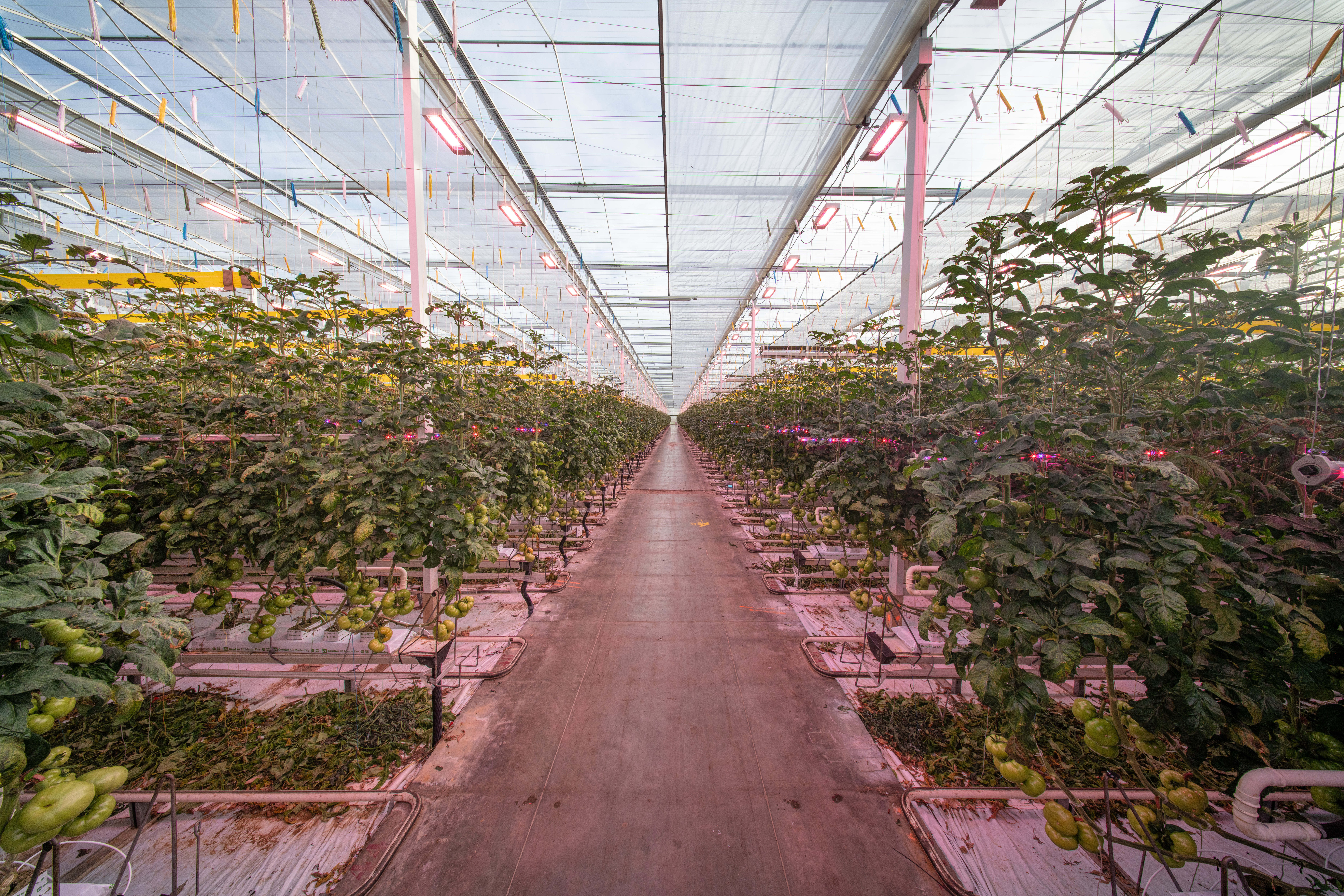
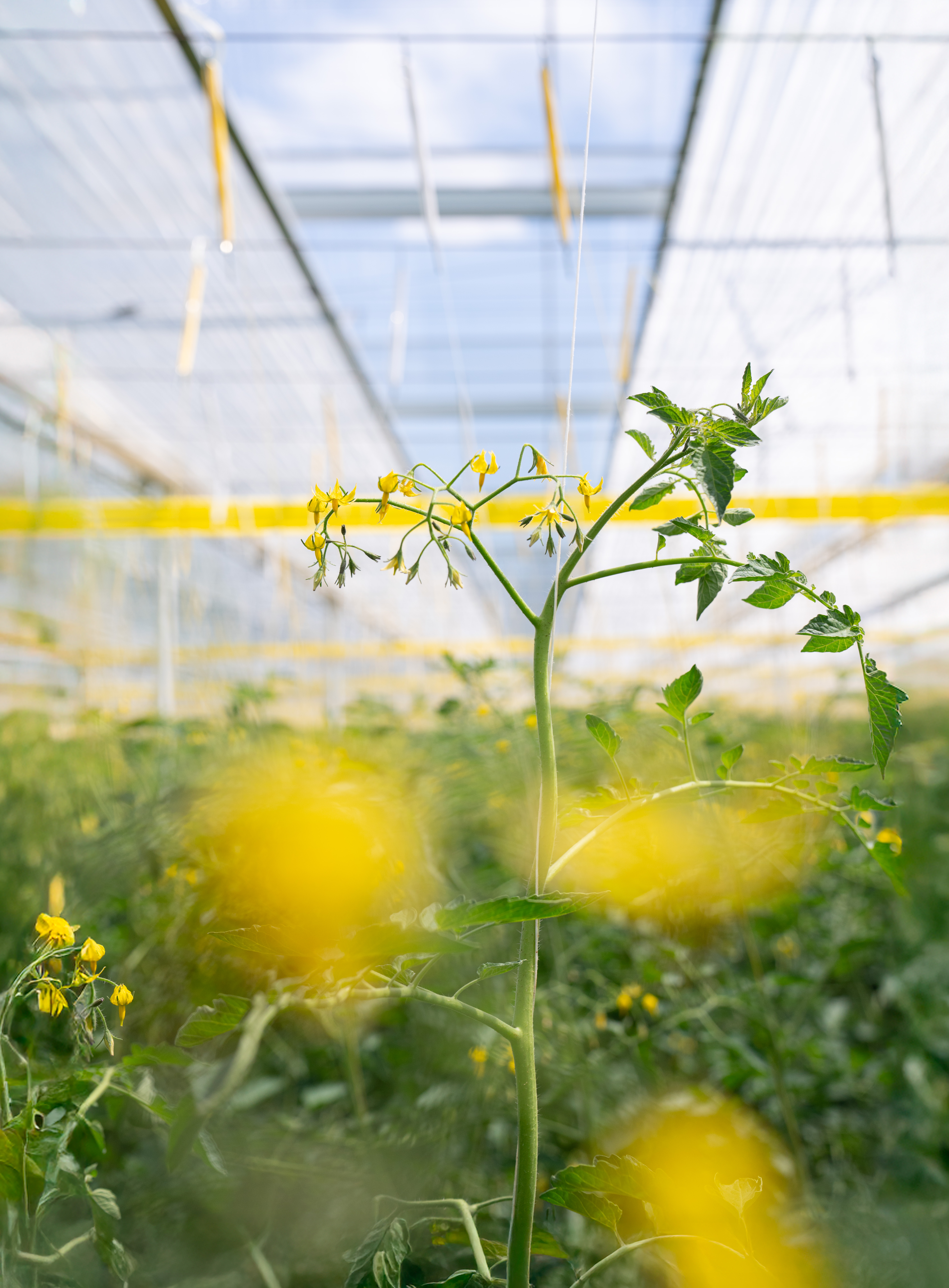
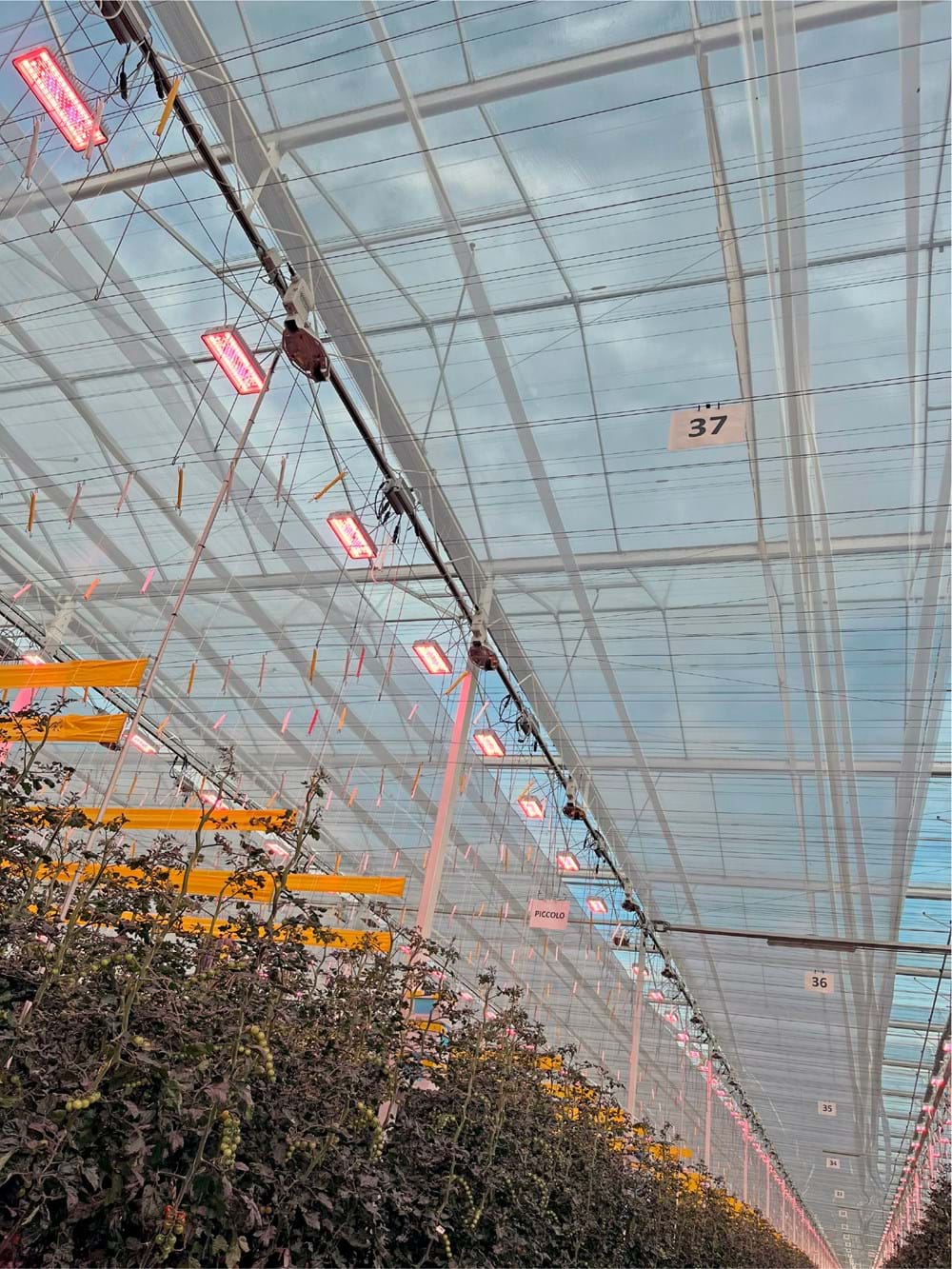
High energy prices over the past winter led many growers to switch off their SON-T lighting or to continue production using only LED lighting, even in greenhouses equipped with hybrid systems. But LED lighting produces much less radiant heat, which means the heat input in the greenhouse can fall by as much as 40 percent.

This reduced heat input must often be compensated by additional heating in the pipe system. Climate consultant Bart Bakker explains that growers should consider other solutions first, such as installing an additional energy screen or improving air circulation.

“You often see growers slightly increasing heating again after installing LED lighting,” Bakker says. “In the end you still use somewhat less energy overall, but that extra heat still has to come from somewhere and it costs money. It is often smarter to invest in an additional energy screen. That improves insulation without necessarily adding more heat to the greenhouse.”

Latent heat and dehumidification

When the growing area becomes more insulated, but the illuminated crop continues to produce moisture, the need for dehumidification increases. Mechanical dehumidification systems can return latent heat to the greenhouse air, but they may also consume a significant amount of electricity.

“That electricity is not free,” Bakker notes. “If you generate it yourself, you cannot sell it back to the grid. During cold periods the recovered heat can be useful, but in autumn or spring you often don’t need it.”

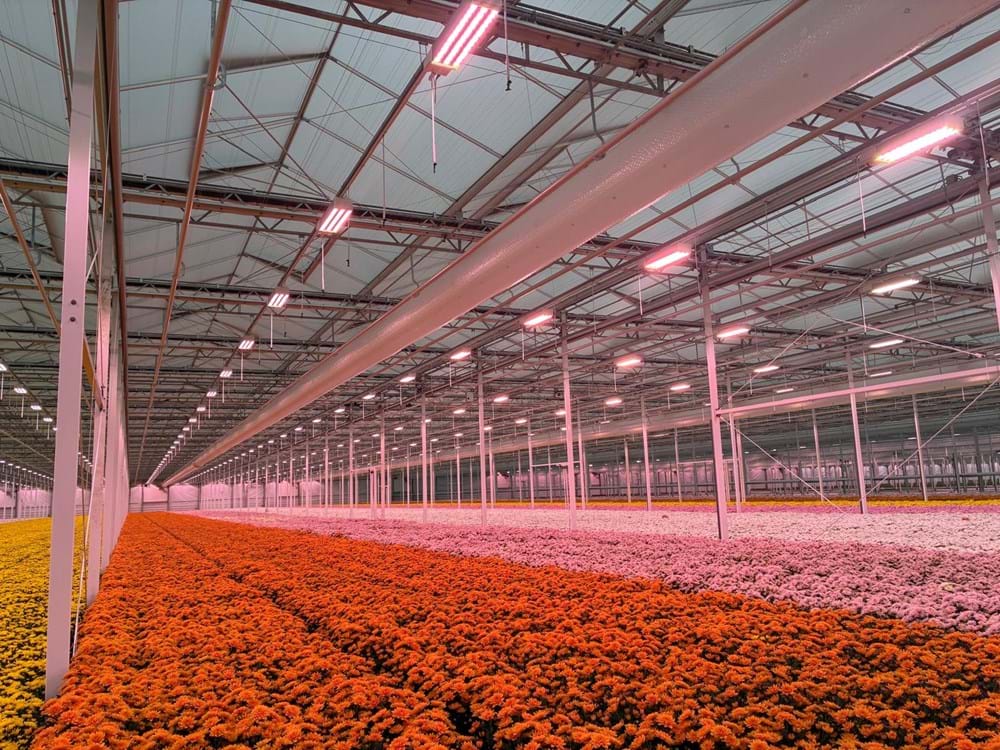
In crops such as gerbera, where growers have recently switched to full-LED lighting, new climate challenges can appear. Dense crops combined with LED lighting and double screens can lead to stagnant air in the microclimate.

“If you then introduce heating pipes under the crop, you may increase root pressure too much,” Bakker explains. “That can create a negative spiral you actually want to avoid. You want air movement, but without stimulating excessive evaporation or root pressure, especially during the night and early morning.”

Managing absolute humidity

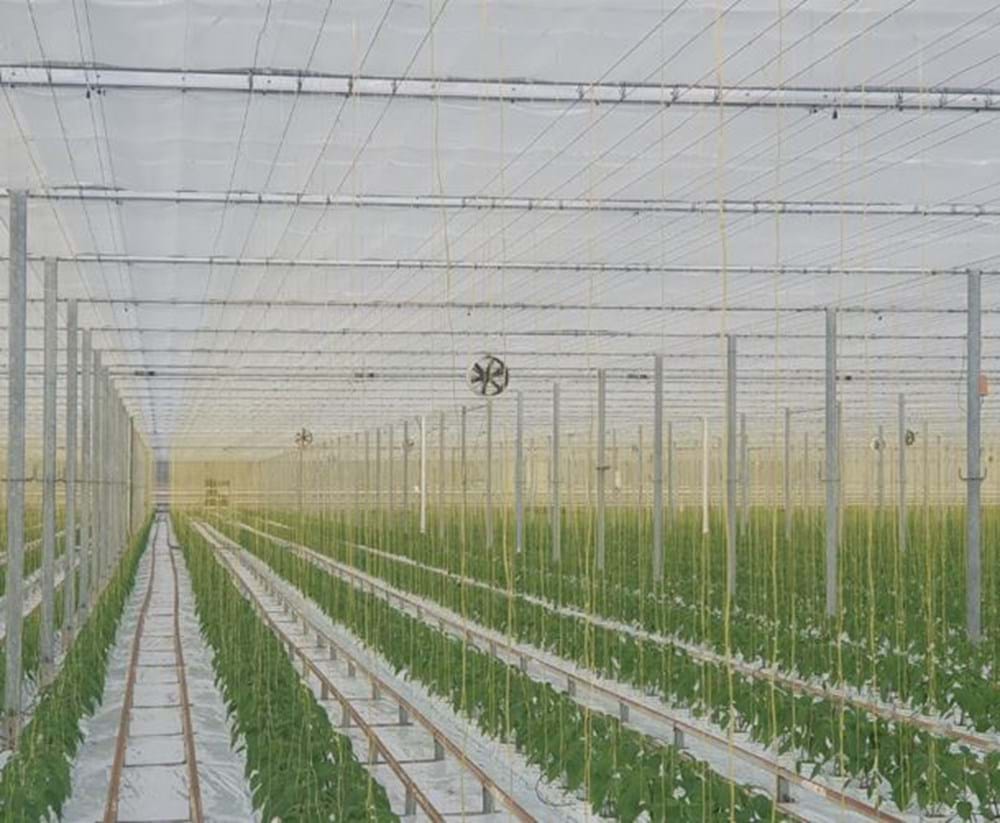
A better approach is to exchange air above and below the screen and create vertical air movement through the crop. This helps remove moisture through convection and maintain a more balanced greenhouse climate.

“What growers previously achieved by heating pipes – essentially drying the air by heating – can be done far more efficiently with a vertical fan,” Bakker says. “A minimum pipe temperature of 30 to 35 °C can easily require 25–30 W/m² of heat input, while a vertical ClimaFlow fan delivering the same effect uses about 1 W/m².”

Heat from heating pipes also tends to accumulate near the roof of the greenhouse, where it is less useful. Vertical air movement can bring that heat back down to crop level, making better use of the available energy.

Vertical ventilation

Vertical ventilation also allows growers to maintain slightly higher humidity levels without compromising crop health.

“Reducing humidity always costs energy,” Bakker explains. “If you create gentle air movement within the crop, you can tolerate a slightly higher relative humidity. That means you don’t have to ventilate through roof vents as often, which saves energy.”

The key principle remains simple: create a uniform greenhouse climate.

“Try to avoid opening screen gaps wherever possible,” Bakker says. “They often create cold air drops and an uneven climate. Instead, look at how vertical ventilation combined with a double screen can produce a more stable climate and give you much more precise climate control.”

Pay attention to light transmission

Growers who cultivate crops without supplementary lighting should pay close attention to the light transmission of screens, particularly when installing a double screen system.

The NEN standard for light measurement offers an objective method for comparing screen properties, including light transmission and diffusion.

“Every percentage of extra light counts,” Bakker concludes. “We can calculate what an additional one, two or three percent of light transmission means in terms of energy savings and production. With double screens the difference can be significant – sometimes up to 10 percent. In winter, when light levels are already low, every percent matters. So make sure you get good advice before investing.”

From one grower to another.

Explore real-world stories like this.

CS 2026 Genson - Neeltje .jpg

09 Feb 2026 | Strawberry

Genson in the Netherlands

In recent years, Genson has made the transition to LED lighting at its strawberry production sites in Someren. This also brought the challenge of keeping the greenhouse climate active, despite the loss of radiant heat from SON-T lighting. Genson therefore decided to invest in ClimaFlow Fans from Svensson. “The vertical fans ensure that the plants are ‘switched on’ before we turn on the lighting. In this way, we get the maximum return from our lighting.”

CS - Grower story - Leen Middelburg - NL.jpg

26 Nov 2025 | Chrysanthemum

Leen Middelburg in the Netherlands

At Leen Middelburg Chrysantemums (LMC) in Made and the Westland region, the third generation is now in charge. Barry and his cousin Sander took over the family business at a young age, after an intense period of illness and loss in the family. Today they manage five locations and are fully committed to scaling up, sustainability and data.

CS - Drenthe Growers - Netherlands - Cucumbers - Luxous - Inge de Vries

18 Nov 2025 | Cucumber

Drenthe Growers in the Netherlands

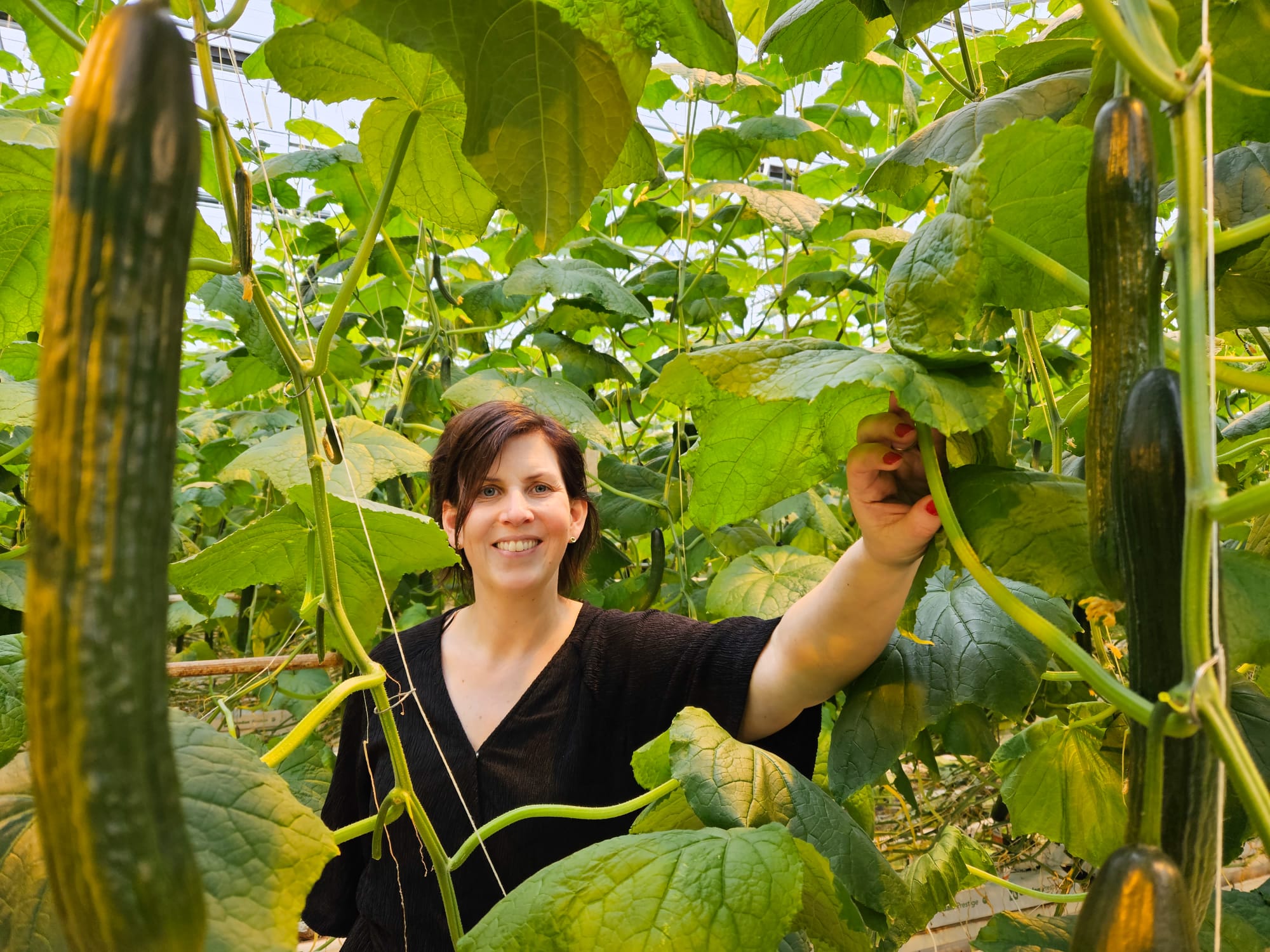
On the outskirts of Erica, Drenthe, Inge Bergsma-de Vries, her two brothers, her husband, and her father run a modern 18-hectare cucumber farm. Drenthe Growers is not only a true family business but also a prime example of how to deliver top quality every day while working towards a sustainable future.

CS - ANSU Orchids - Netherlands - Orchids

29 Oct 2025 | Orchid

ANSU Orchids in the Netherlands

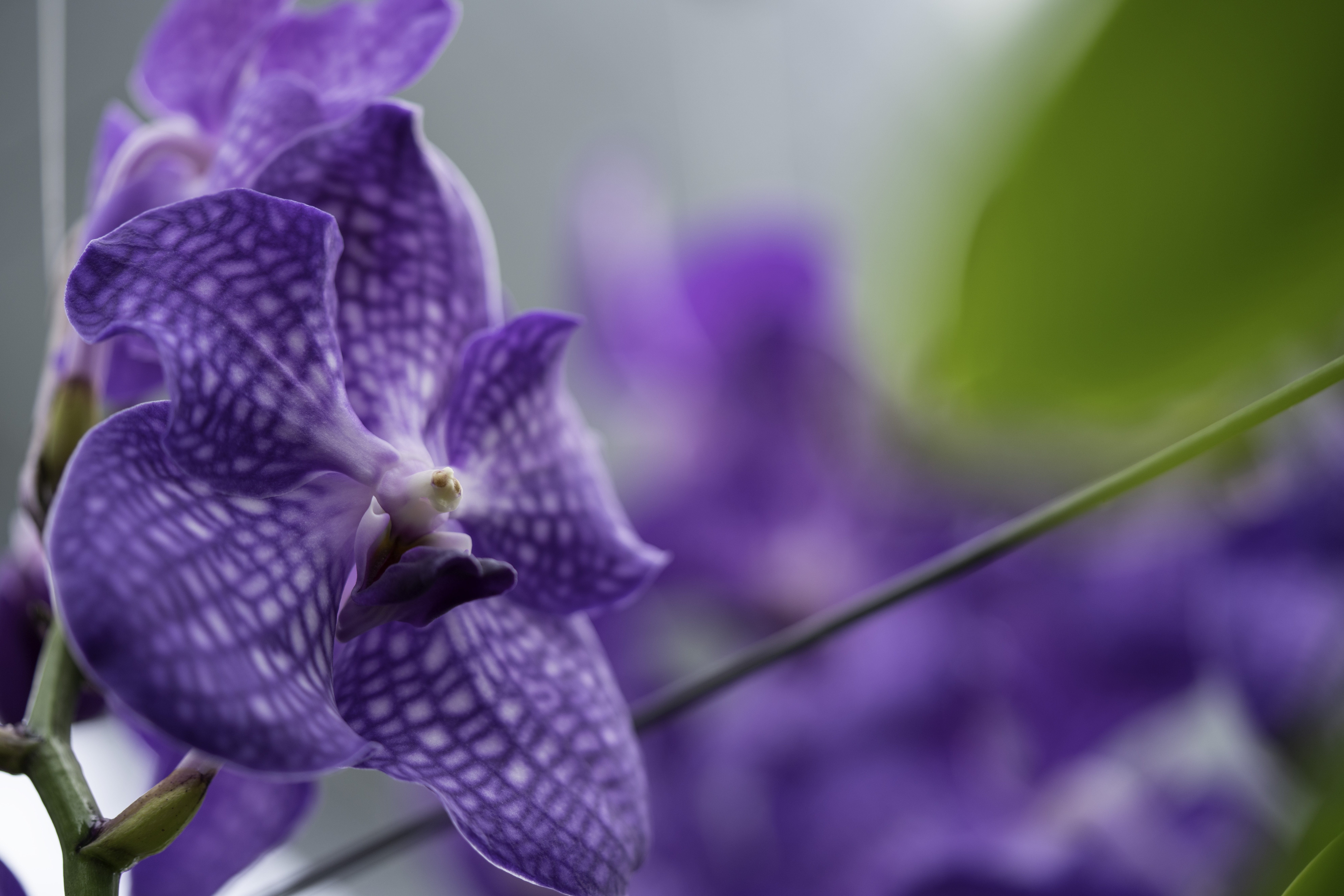
ANSU Orchids upgraded to Obscura 9970 FR A as a way to manage energy savings and shade with precision.

CS - TVA Farms - Netherlands - Tomatoes - Luxous Light FR - Energy Monitor - Crop photo

15 Aug 2025 | Tomato

TVA Growers in the Netherlands

TVA Growers upgraded to Luxous Light FR and Energy Monitor in 2024, continuing their trusted, energy-efficient collaboration with Svensson and Alweco.

CS - Haoyu Group - Tomatoes - Luxous - Harmony - Energy Monitor - China - Grower.png

16 Jul 2025 | Tomato

Haoyu Group in China

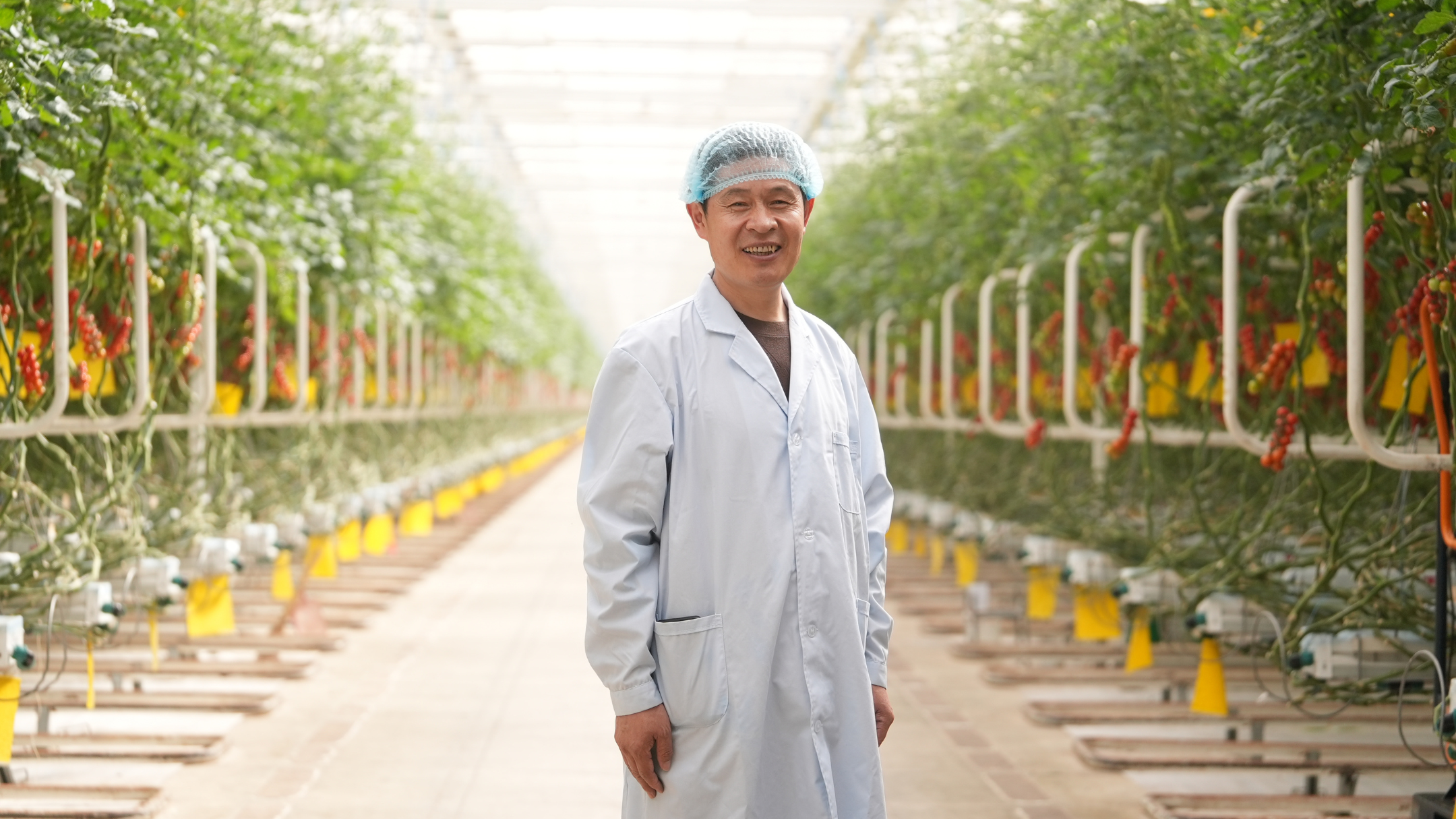
The privately held Haoyu Group has entered greenhouse growing, begun constructing its own glasshouses and pioneered new approaches to sustainable growing in just six years. It is now working with Svensson's Energy Monitor on advanced algorithmic screen control.

CS - Ridge Farms - Canada - Tomatoes - Emilio Mastronardi - Grower

10 Jul 2025 | Tomato

Ridge Farms in Canada

At Ridge Farms, Emilio Mastronardi uses Svensson screens to cut energy use by 47%, protect crops in summer, and grow better-tasting tomatoes - all while tapping into automation and rebates to modernize sustainably.

CS2026 Moors NL.jpg

23 Jun 2025 | Peppers

ANSU Orchids in the Netherlands

ANSU Orchids upgraded to Obscura 9970 FR A as a way to manage energy savings and shade with precision.

CS - Honghe Chuangsen - Yellow Gerbera - Flower Greenhouse

13 May 2025 | Gerbera

Honghe Chuangsen in China

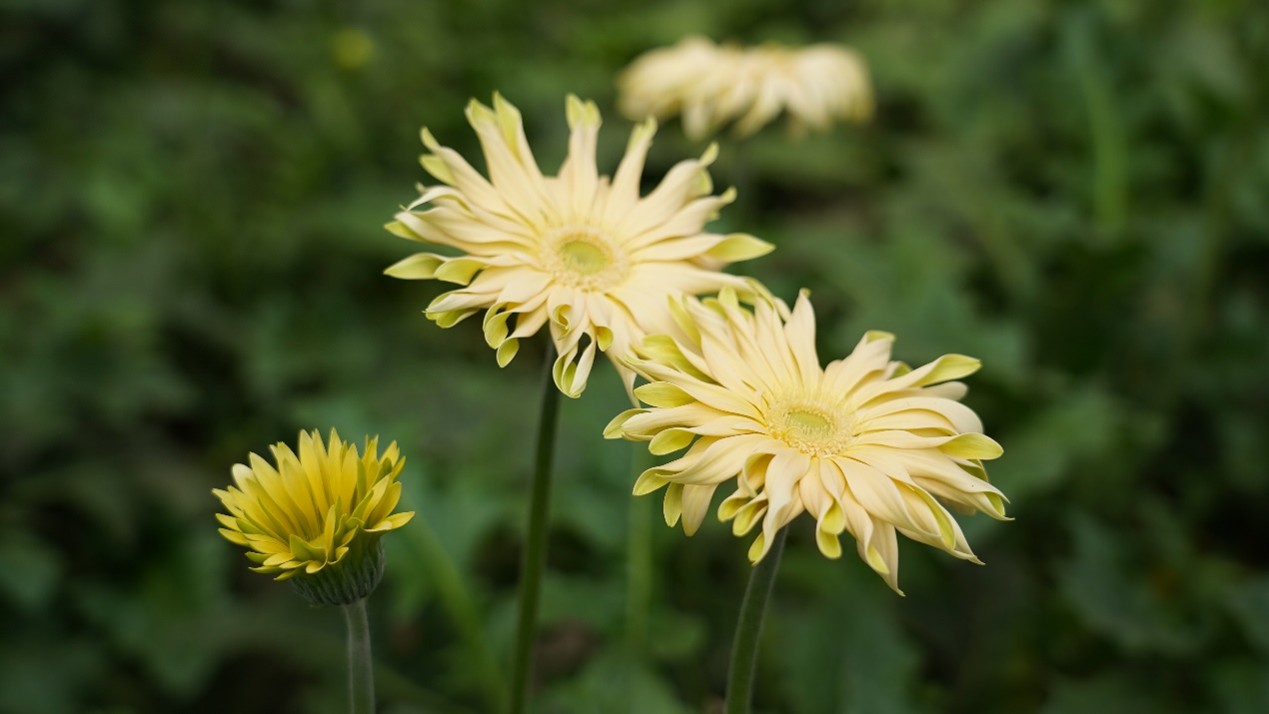
At Honghe Chuangsen’s gerbera greenhouse in Yunnan, double layers of Svensson’s diffuse Harmony screens create softer light and cooler conditions—improving flower quality, protecting petals from harsh radiation, and supporting energy savings across changing seasons.

CS - Twin Creeks - Paul Arena and grower - Peppers - Canada

22 Apr 2025 | Peppers

Twin Creeks in Canada

Discover how Twin Creeks improved climate uniformity, crop performance, and energy efficiency with ClimaFlow, double Luxous screens, and Energy Monitor.

CS - Marjoland - Netherlands - Roses - ClimaFlow - Growers with Dominique Blok

21 Jan 2025 | Rose

Marjoland in the Netherlands

The transition from SON-T to LED lighting provides significant savings on energy costs for many horticultural companies, but also leads to new challenges. After all, the climate in the greenhouse changes under full LED, as is the case at rose nursery Marjoland. A Luxous 1147 FR energy screen, vertical fans from ClimaFlow and an extra growth tube at the top of the greenhouse are used to better manage the radiation, moisture balance and heat distribution.

cs - LED greenhouse energy.jpg

15 Jan 2025 | Energy saving

Avoid higher gas consumption when switching to LED lighting

Climate consultant Bart Bakker explains how LED lighting affects greenhouse heat input and how screens and ventilation can prevent higher gas consumption.