









Climate challenge
Managing pests in the greenhouse
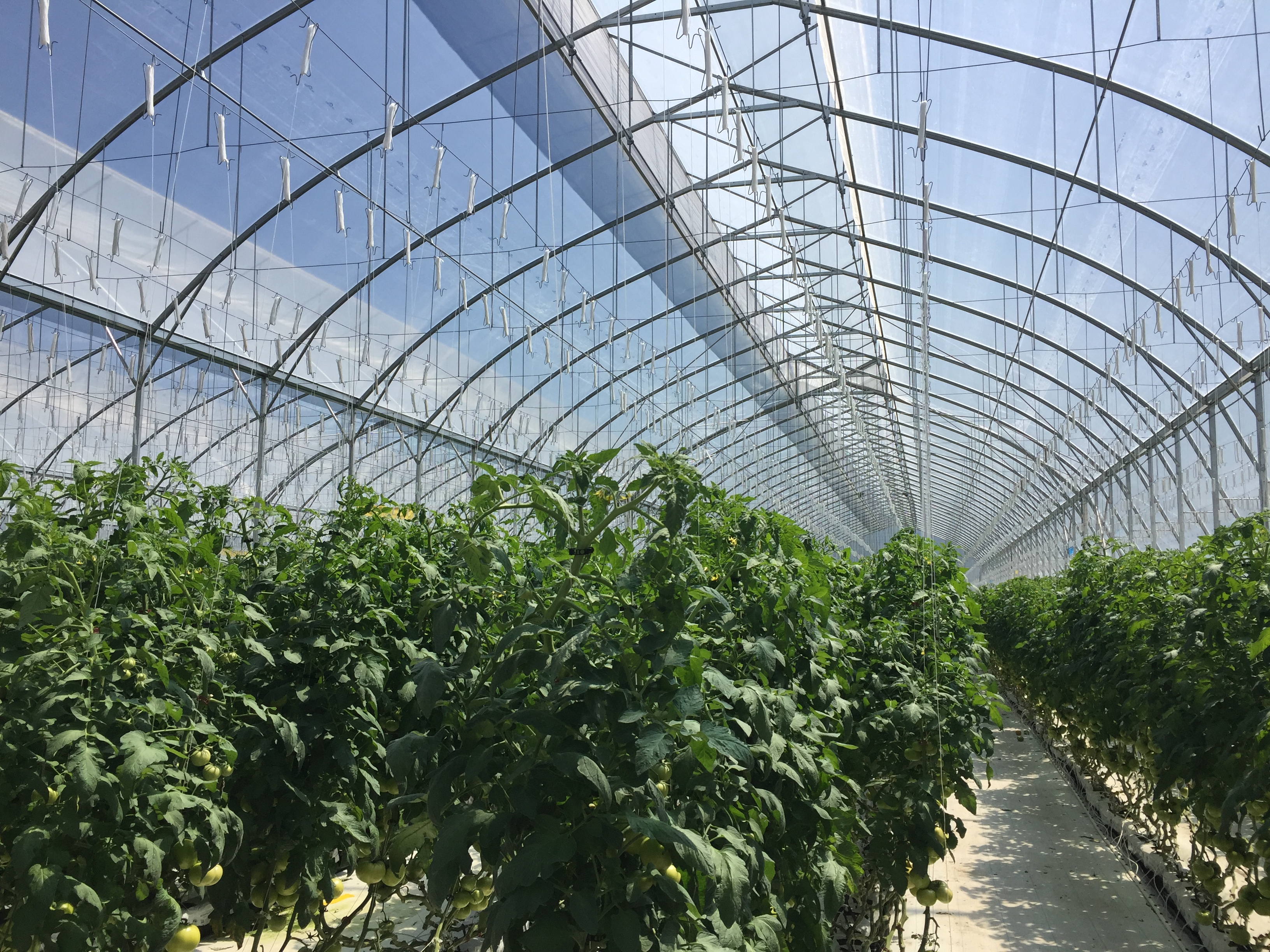
Insects can compromise plant health, spread disease, and force growers to rely more heavily on chemical interventions. Managing pest pressure means creating a strong first line of defense while keeping your climate stable. With the right screening strategies, you can keep insects out, support your IPM program, and maintain the airflow your crops need to grow.
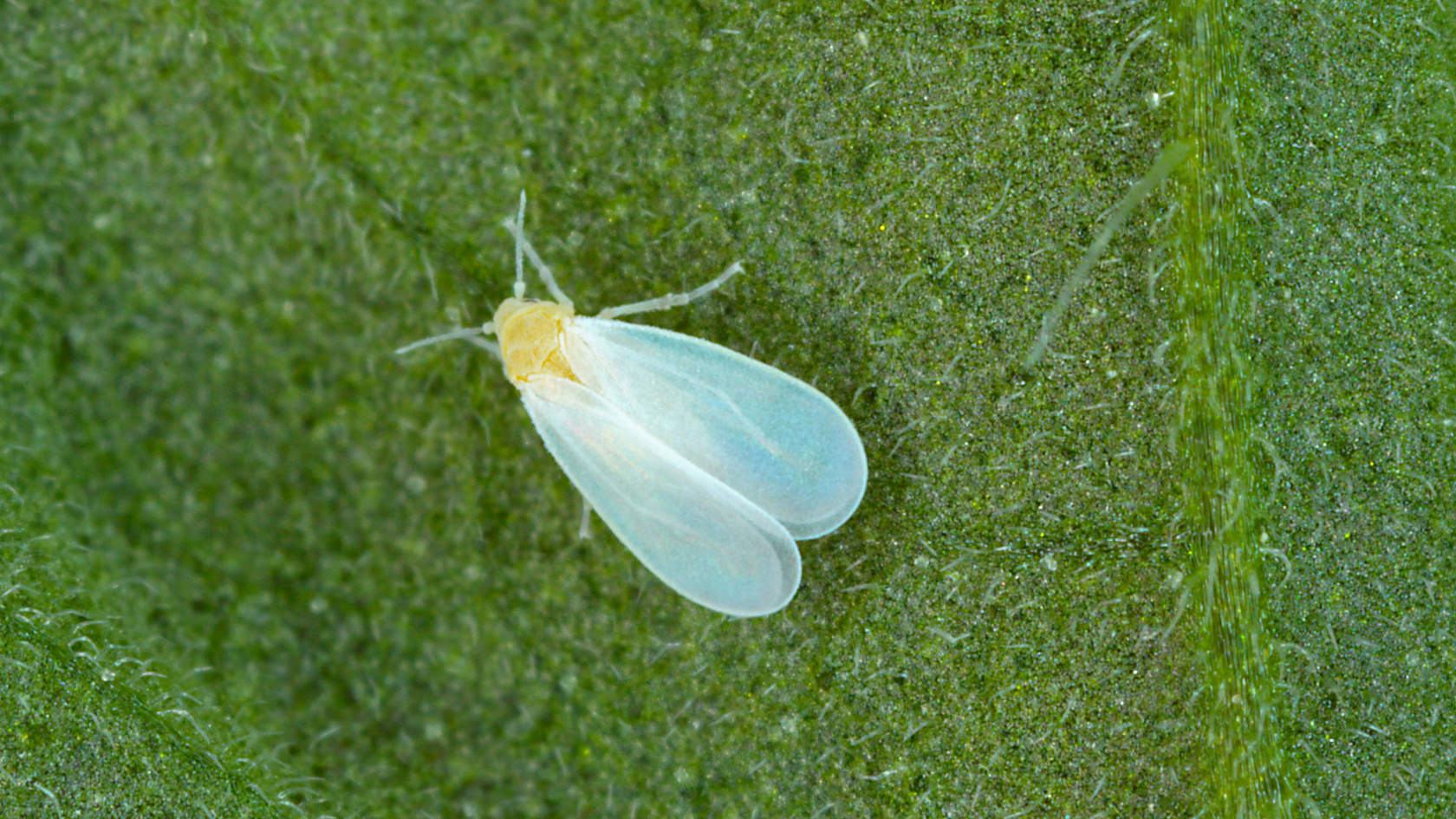
Products designed to keep pests out while supporting healthy airflow and crop protection.
Looking to keep pests out of your greenhouse more effectively?
Browse guides, tools, and proven strategies to help you protect crops while maintaining airflow and plant health.


Grower stories
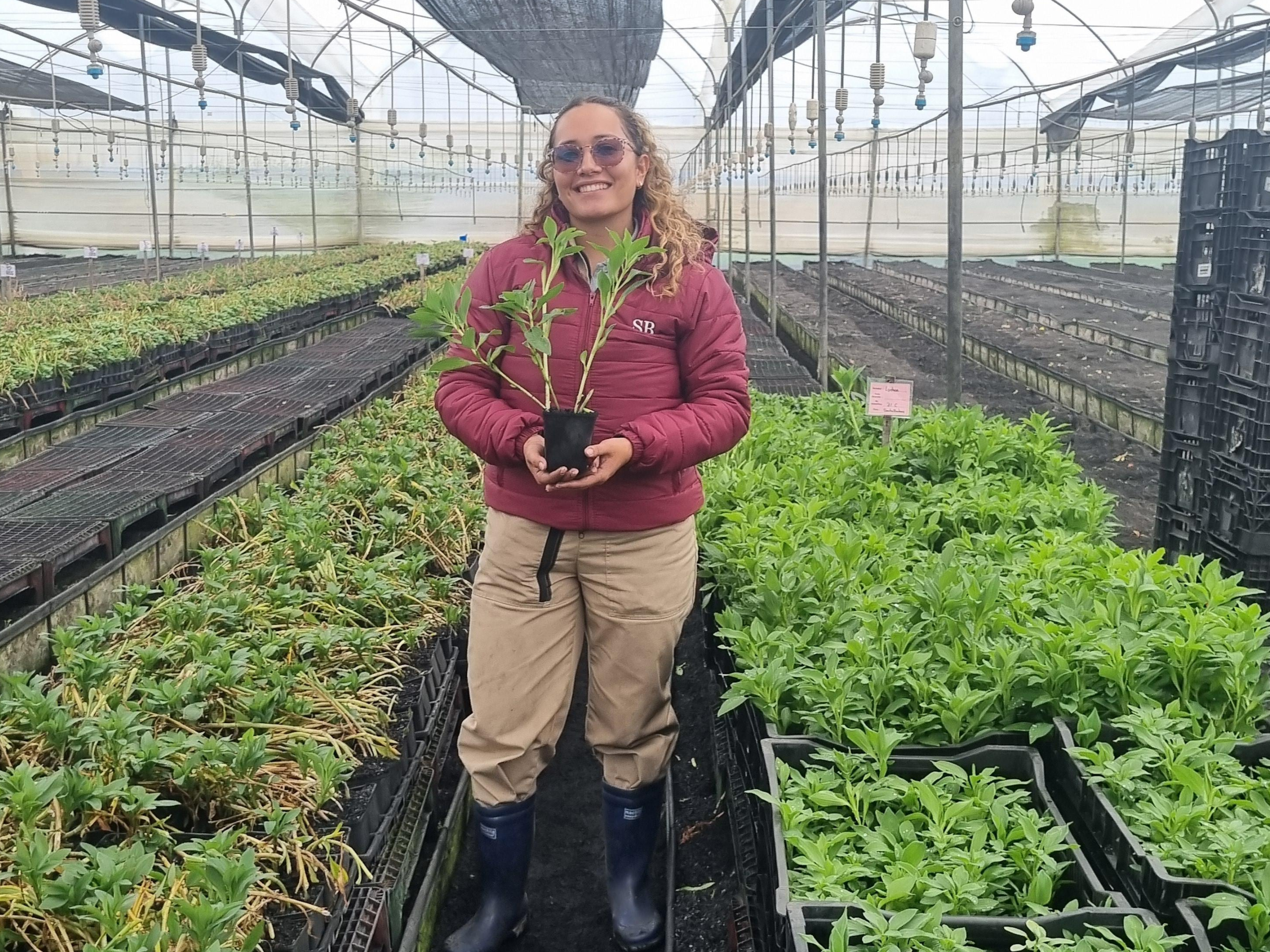
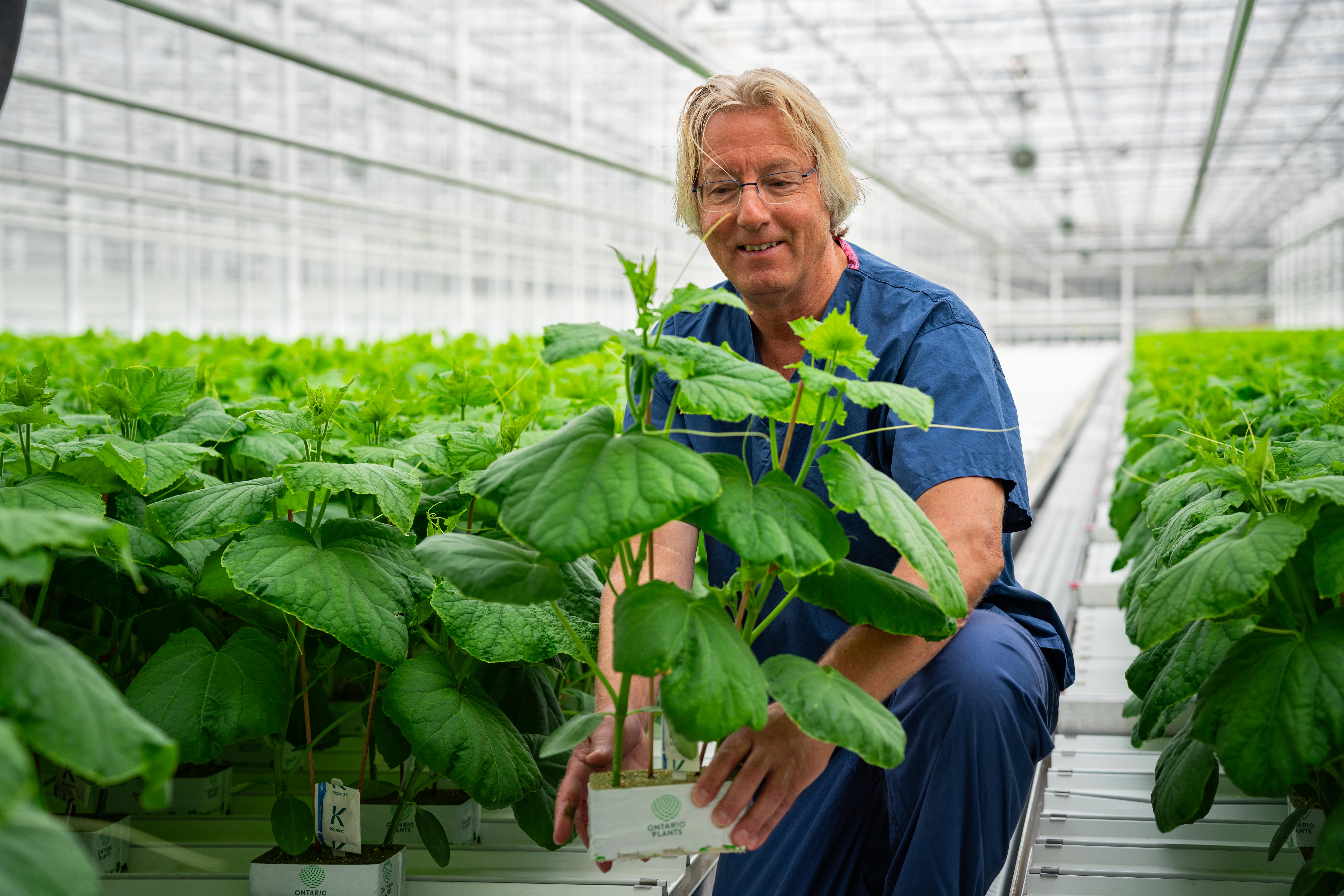
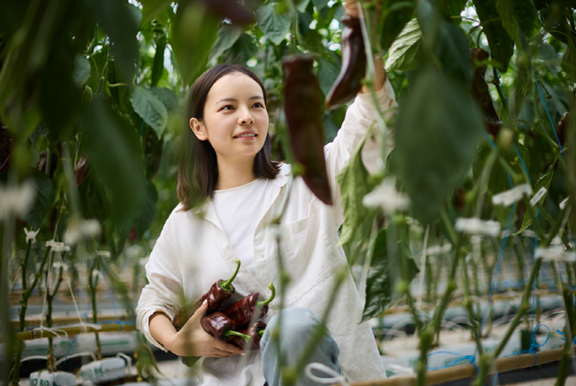
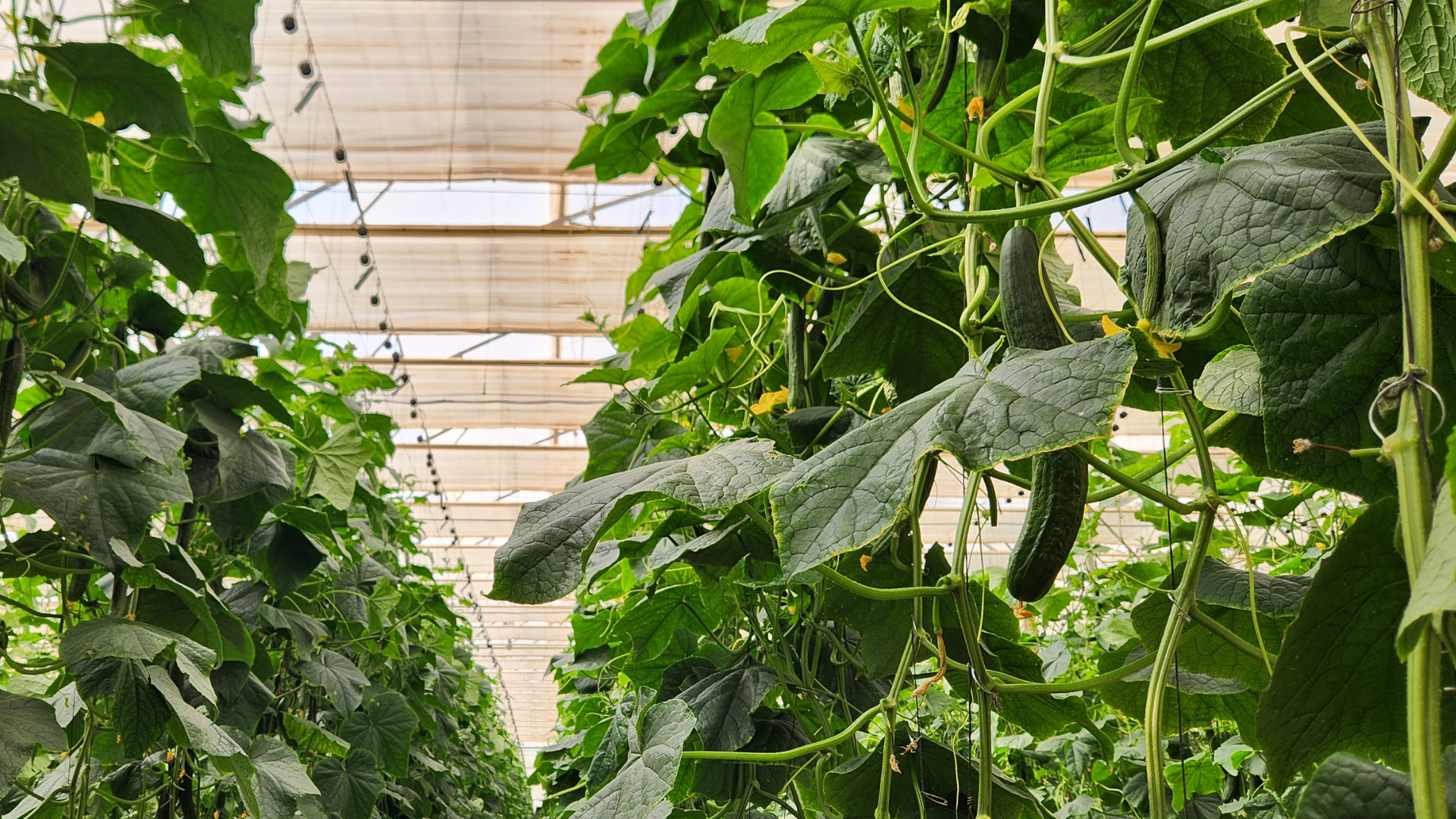
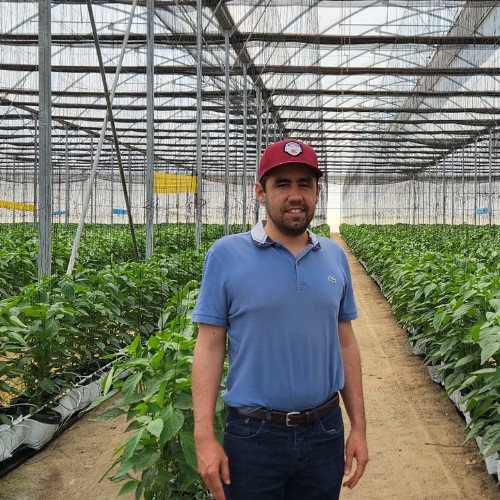
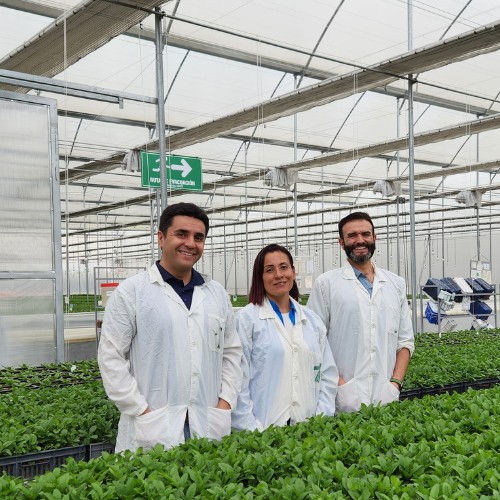
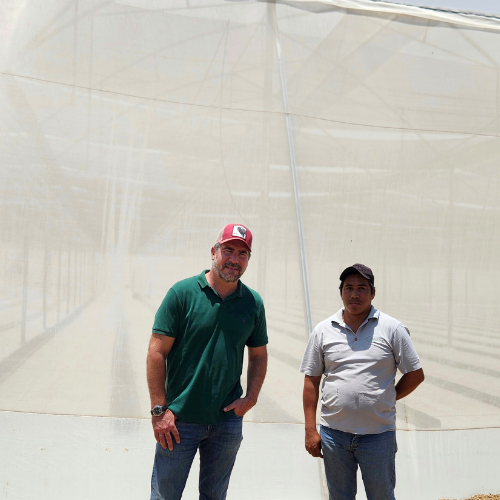
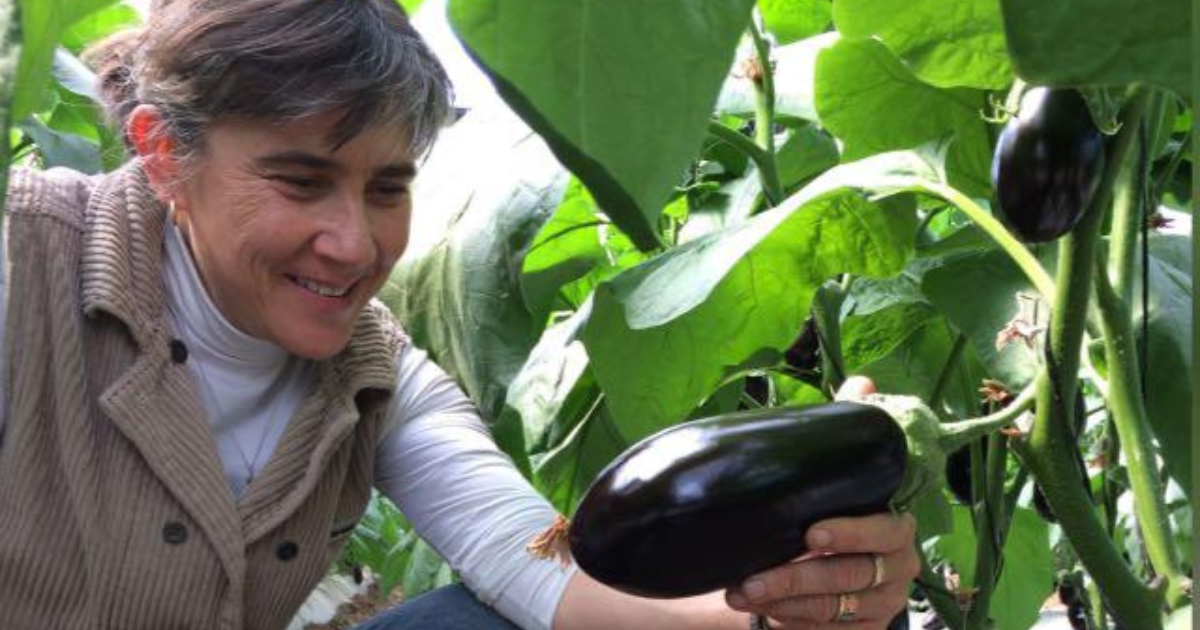
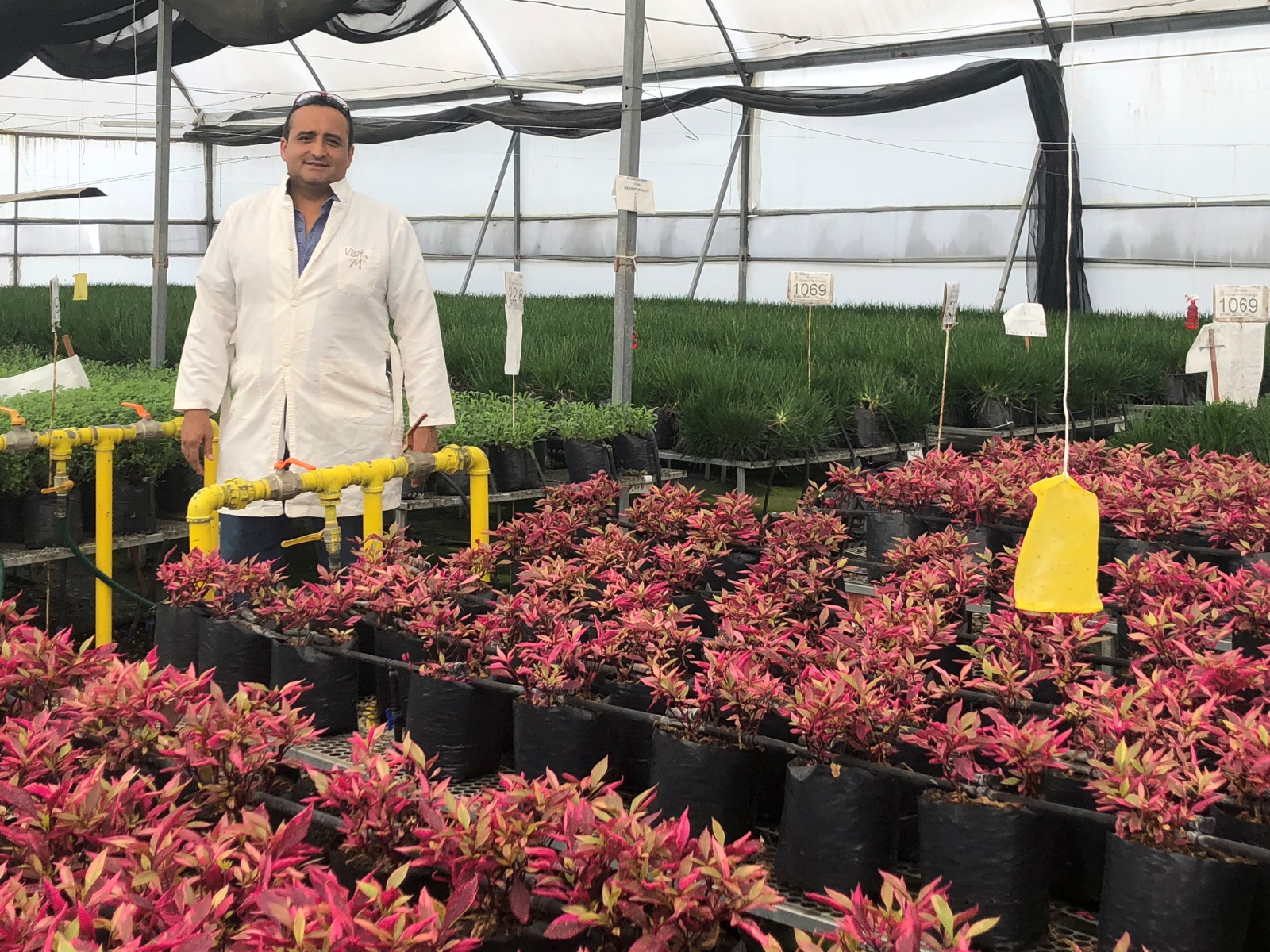
See how growers are staying ahead of pest pressure with innovative screening strategies that protect crops without compromising airflow or climate.



Have questions or need personalized support?
Get in touch with our experts and take the next step toward a cleaner, pest-free greenhouse environment.



Looking for expert advice on pest exclusion?
Protecting crops from pests starts with the right climate and screening strategy. Contact our Climate Experts for guidance on preventing pest pressure and maintaining a healthier growing environment.
Book a meeting with an expertFrequently Asked Questions
-
Why is insect control important in greenhouse production?
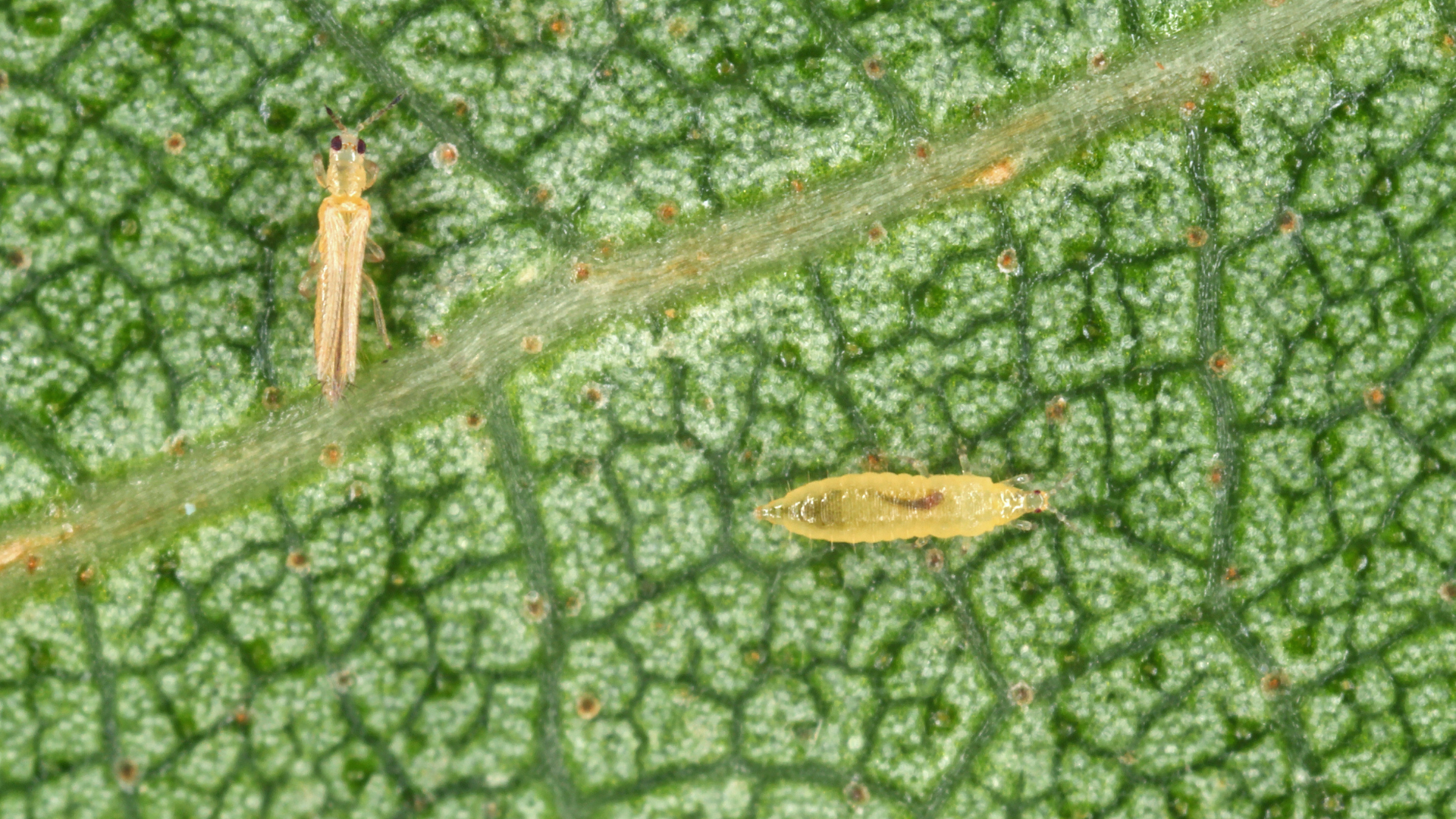
Pests like thrips, aphids, and whiteflies can damage crops, spread disease, and reduce yield. Preventing their entry is key to maintaining plant health and reducing chemical use.
-
Will using insect screens affect my greenhouse climate?
With the right screen and proper installation, you can maintain climate balance while protecting against pest pressure. A climate consultant can help you choose the best fit.
-
How can I keep pests out of my greenhouse without blocking airflow?
Installing insect control screens with high airflow ratings allows you to exclude pests while maintaining good ventilation and a balanced climate.
-
Do I need different screens for different pests?
In many cases, yes. Larger mesh sizes may work for whiteflies or aphids, but thrips require finer mesh. The screen choice depends on your local pest pressure.
-
What kind of screen do I need to block thrips and other small insects?
To block tiny pests like thrips, choose a fine-mesh screen with the appropriate hole size (typically around 0.15 mm). The right mesh depends on your target pest and airflow needs.
-
Can pest control screens help reduce chemical use?
Yes. By keeping insects out from the start, you reduce the need for chemical treatments and support more sustainable, biological control programs.
-
Can I retrofit insect screens into an existing greenhouse?
Yes. Insect screens can be integrated into sidewalls, roof vents, and other openings without major structural changes.
-
What is Integrated Pest Management (IPM) in greenhouse growing?
Integrated Pest Management (IPM) is a sustainable approach to controlling pests by combining multiple strategies, including biological control, cultural practices, monitoring, and physical barriers. The goal is to minimize pest pressure while reducing reliance on chemical pesticides.
-
How do insect control screens support an IPM strategy?
Insect control screens act as the first line of defense in an IPM program by preventing pests from entering the greenhouse. This reduces the need for chemical treatments and supports the effectiveness of biological controls, creating a more stable and sustainable growing environment.
