



Climate challenge
Controlling humidity in greenhouses
Humidity is one of the most difficult climate factors to control in a greenhouse. Excess moisture can lead to disease outbreaks, inconsistent growth, and lower crop quality. From reducing condensation to improving ventilation and screen strategies, we help growers take control of humidity and create a healthier, more productive environment.

Solutions designed to manage moisture and maintain a balanced climate.
Want better control over humidity in your greenhouse?
Browse guides, tools, and proven strategies to manage moisture and support healthier crops year‑round.


Grower stories
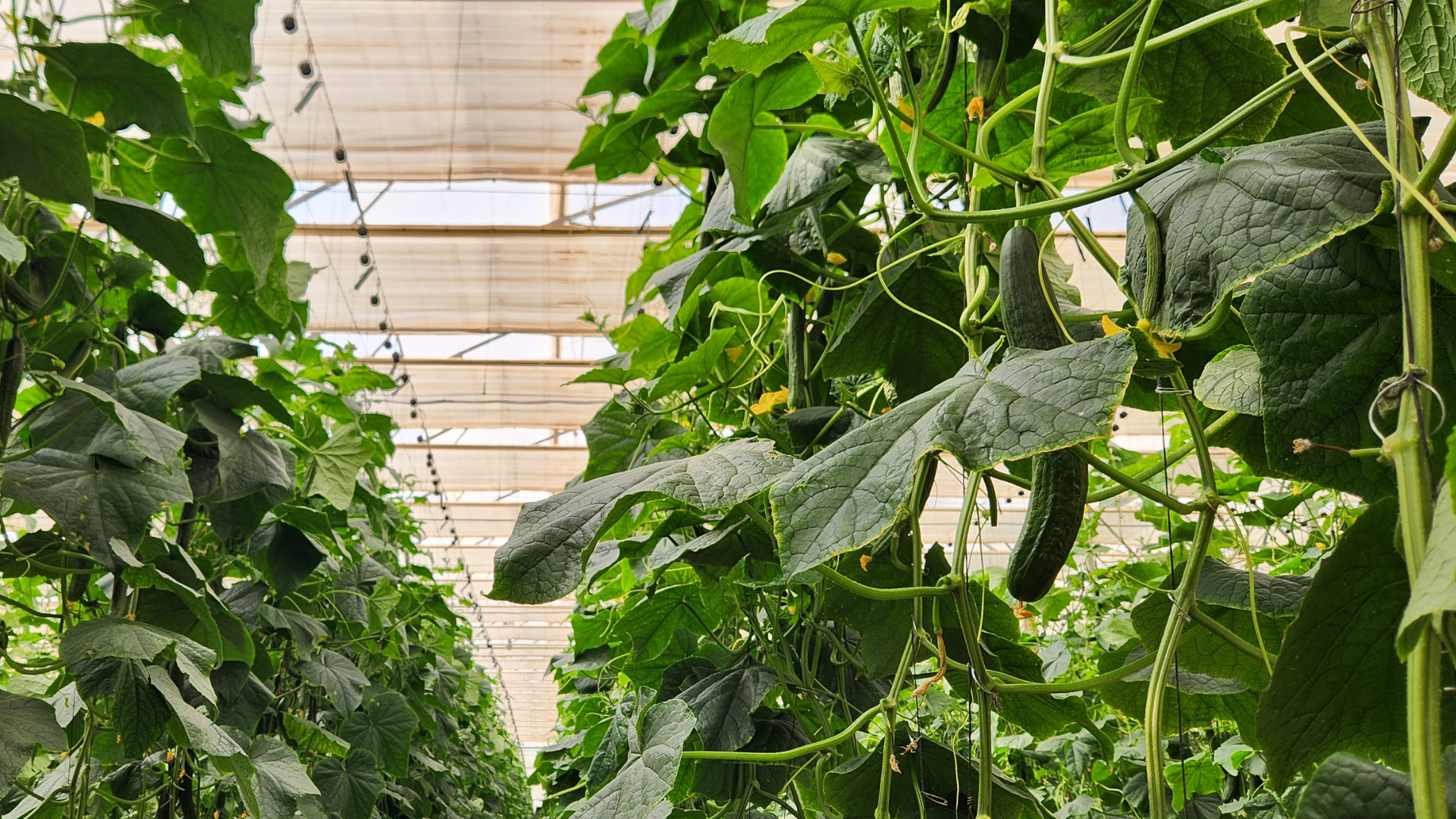
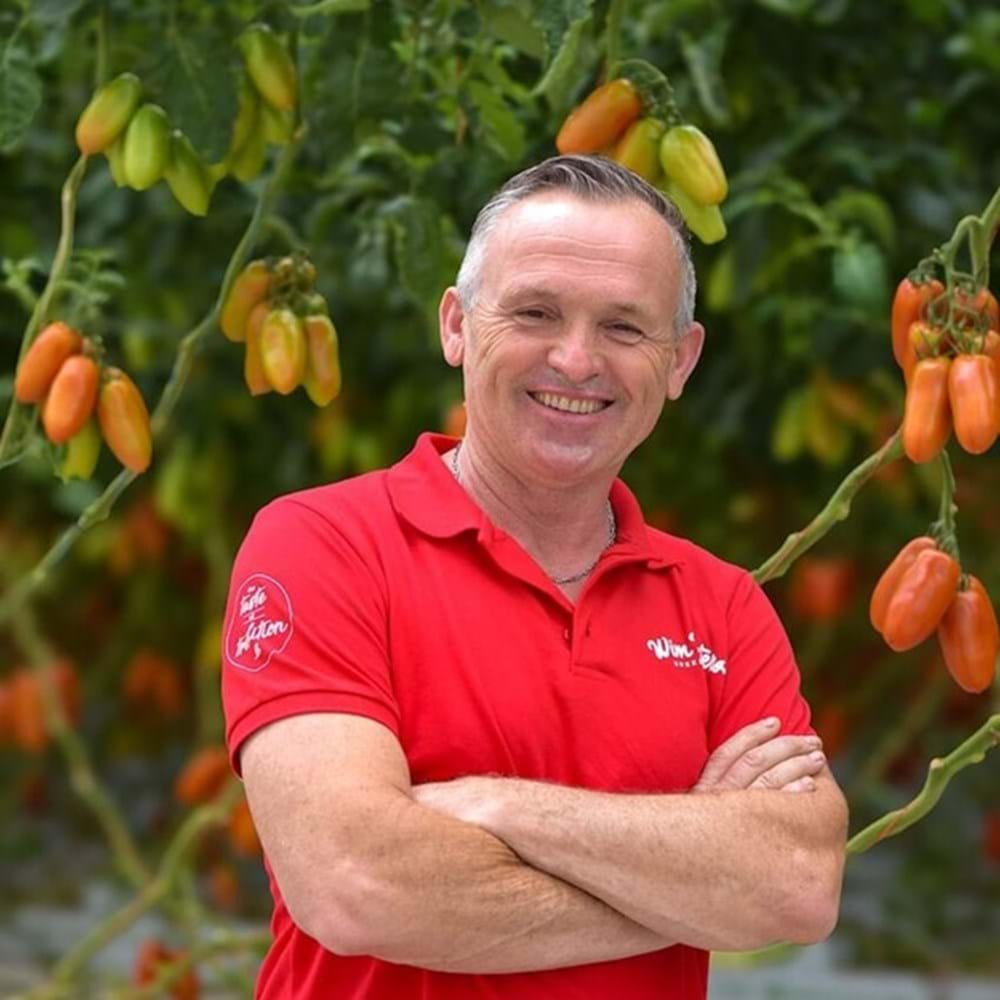
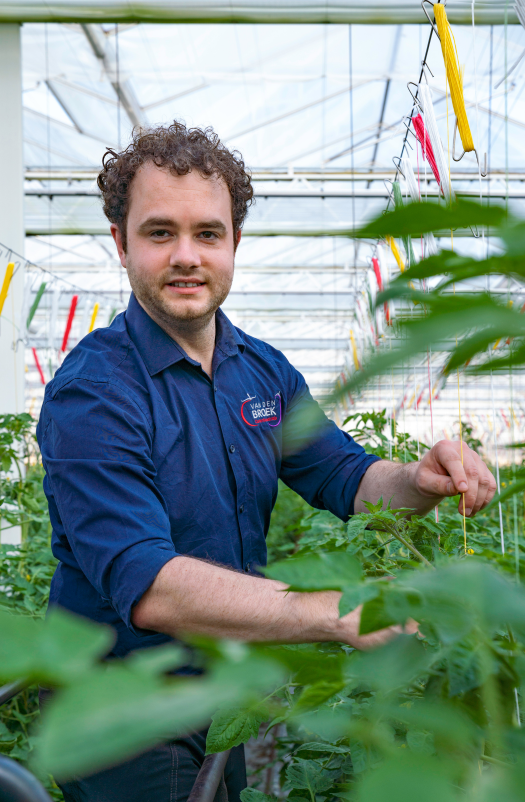
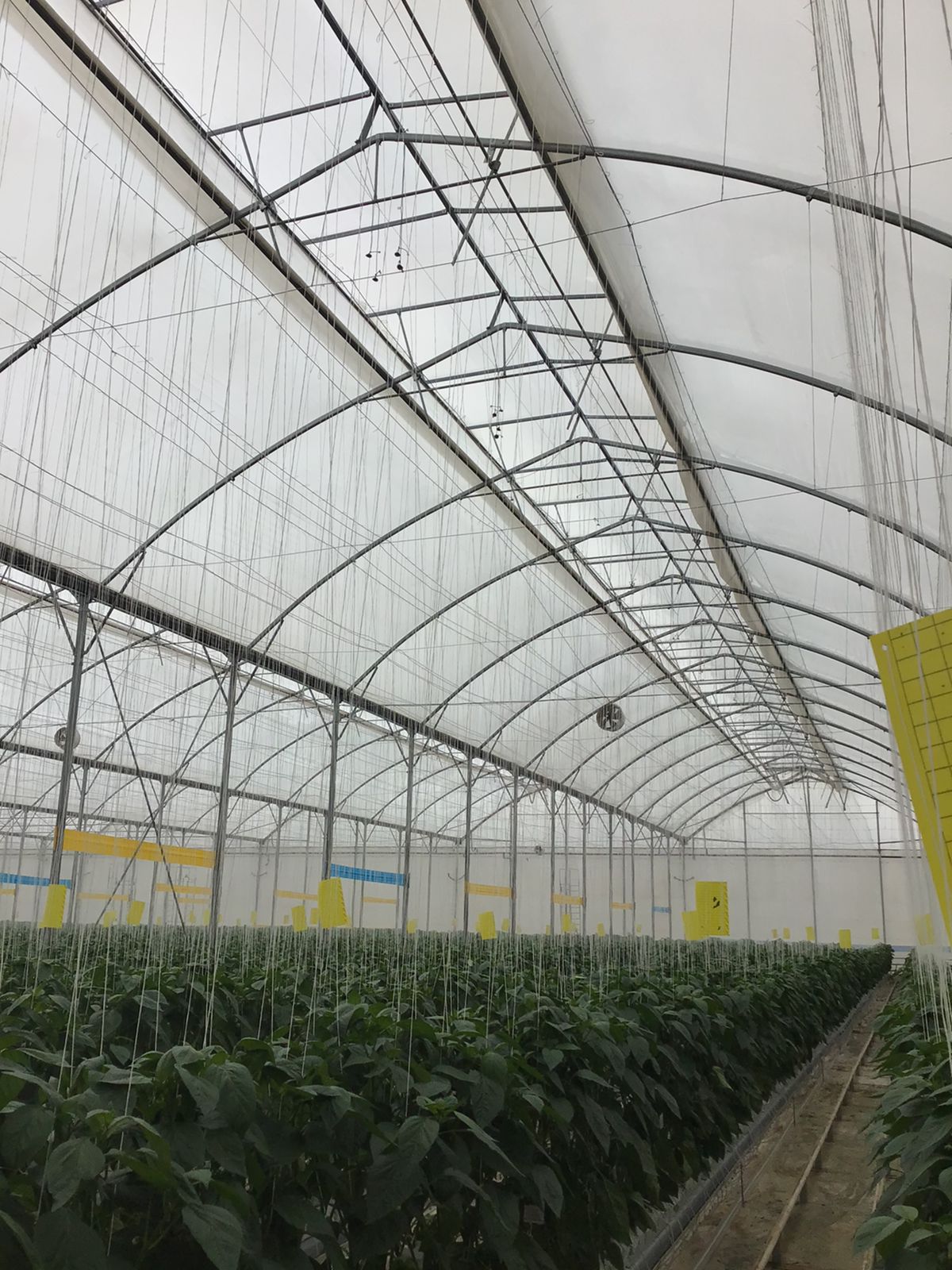
Explore stories of growers tackling humidity challenges and creating healthier, more balanced greenhouse environments.






Strategies for stable greenhouse humidity
Subscribe to the Warmzones Growers Blog for practical insights, grower stories, and climate strategies tailored to greenhouse humidity control. Learn how to manage moisture, prevent disease, and maintain a healthy growing environment with tips delivered straight to your inbox.
Have questions or need personalized support?
We’re here to help you create the ideal environment for healthier plants and higher quality crops.



Frequently Asked Questions
-
Why is humidity control important in greenhouses?
Maintaining proper humidity levels helps prevent fungal diseases, supports healthy transpiration, and improves crop quality. Excess humidity can lead to condensation, plant stress, and reduced productivity.
-
What happens when humidity is too low or too high?
When humidity drops too low, plants lose water faster than roots can replace it, causing stress and poor nutrient uptake. When it’s too high, leaves can’t transpire, gas exchange slows, and disease risk increases. Maintaining the right balance allows plants to keep breathing and growing at full potential.
-
What are the risks of high humidity in the greenhouse?
High humidity creates conditions for fungal diseases like botrytis and powdery mildew. It also limits plant transpiration and can lead to soft growth, poor fruit set, and uneven development.
-
What tools can help control humidity in greenhouses?
Vertical airflow systems like ClimaFlow, humidity-diffusing screens like Harmony, and moisture management strategies such as staged screen opening are effective tools to manage humidity.
-
How can I reduce humidity without sacrificing temperature?
A combination of vertical airflow systems and climate screens allows you to lower humidity levels while maintaining stable temperatures. Gentle air movement and strategic venting help remove moisture without causing cold air stress.
-
How does airflow help regulate humidity?
Air movement improves evaporation and reduces stagnant zones where moisture can accumulate. Vertical airflow systems gently mix the air and help maintain a consistent humidity level across the crop zone.
-
What is a screen “gap,” and when should it be used?
A gap — usually between one and five percent — is a controlled opening between the screen edges. It allows humid air to escape and fresh air to mix in when relative humidity rises too high. Even a narrow gap can make a major difference, reducing condensation risk while keeping most of the energy savings from the closed screen. Screen gapping should be used with careful judgement and it can be well worthwhile speaking to a Svensson climate consultant if you have concerns.
-
Why is condensation or dew formation dangerous in a greenhouse environment?
Condensation forms when warm, moist air meets a cooler surface — often the screen or the plant leaves themselves. Water droplets become a perfect host for fungal diseases such as botrytis and can damage young tissue. They may also drip onto lower leaves, spreading spores. Preventing condensation isn’t just about comfort; it’s a key part of protecting plant health and product quality.
-
How does leaf temperature relative to air temperature influence condensation risk?
When leaf surfaces fall just a few degrees below air temperature, moisture condenses. This often happens at night when radiation loss cools the crop faster than the air. Screens act as insulation, holding infrared energy near the plants and keeping leaf temperature closer to air temperature — reducing the chance of dew.
-
How do climate screens help with humidity control?
Screens like Harmony diffuse light and support gentle climate transitions, helping reduce condensation on leaves. When paired with airflow, they support a drier, more uniform growing environment.
-
How can ventilation and air movement support humidity control?
Ventilation and vertical air movement keep humidity evenly distributed, preventing “dead zones” of moist air. Systems like Svensson’s ClimaFlow circulate air down through the canopy so vapor doesn’t settle around leaves. Even mild, continuous airflow can significantly lower local humidity without needing to open screens or lose heat.
-
How can Svensson help regulate humidity and reduce condensation risk?
Svensson screens moderate radiation between the crop and the roof, so the temperature difference that drives condensation stays smaller. Svensson vertical ventilation systems even out the humidity through the full volume of the greenhouse. This uses the neighboring air to store up and even out humdity so it doesn’t reach critical levels near the crop canopy. Materials technology enables gentle moisture movement in shade cloths, wicking water away so droplets don’t form.
