




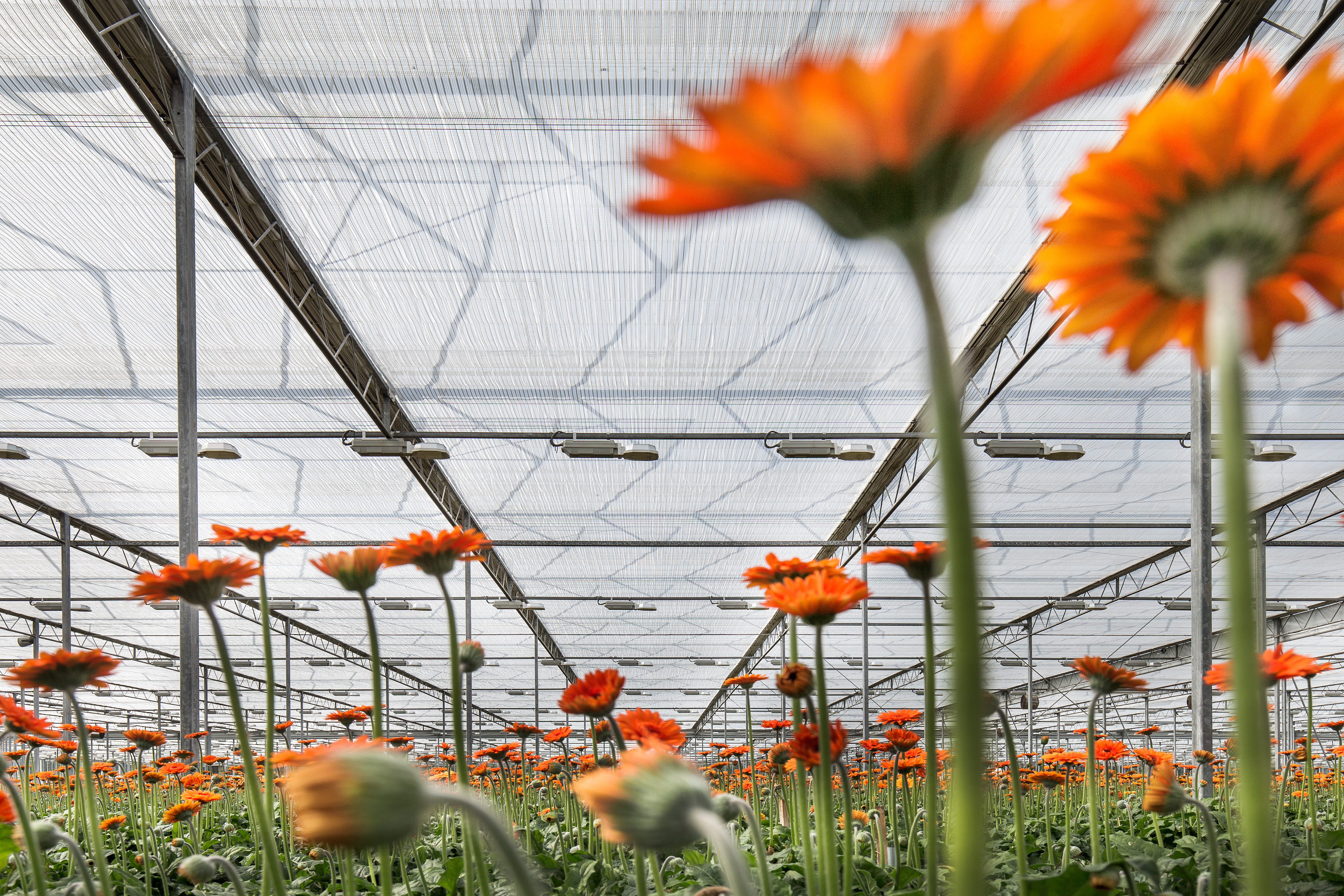

Climate challenge
Temperature regulation
When it gets too hot, photosynthesis slows and crop quality declines. When it gets too cold, growth, flowering, and fruit development stall. Maintaining the right temperature means finding balance throughout the day and across the seasons. With the right climate strategies and screen solutions, growers can improve consistency, reduce stress, and create better conditions for plants to thrive.
Products designed to manage heat and maintain optimal growing conditions.
Looking to improve temperature control in your greenhouse?
Browse expert resources, tools, and tips to help you create stable climate conditions year-round.


Grower stories
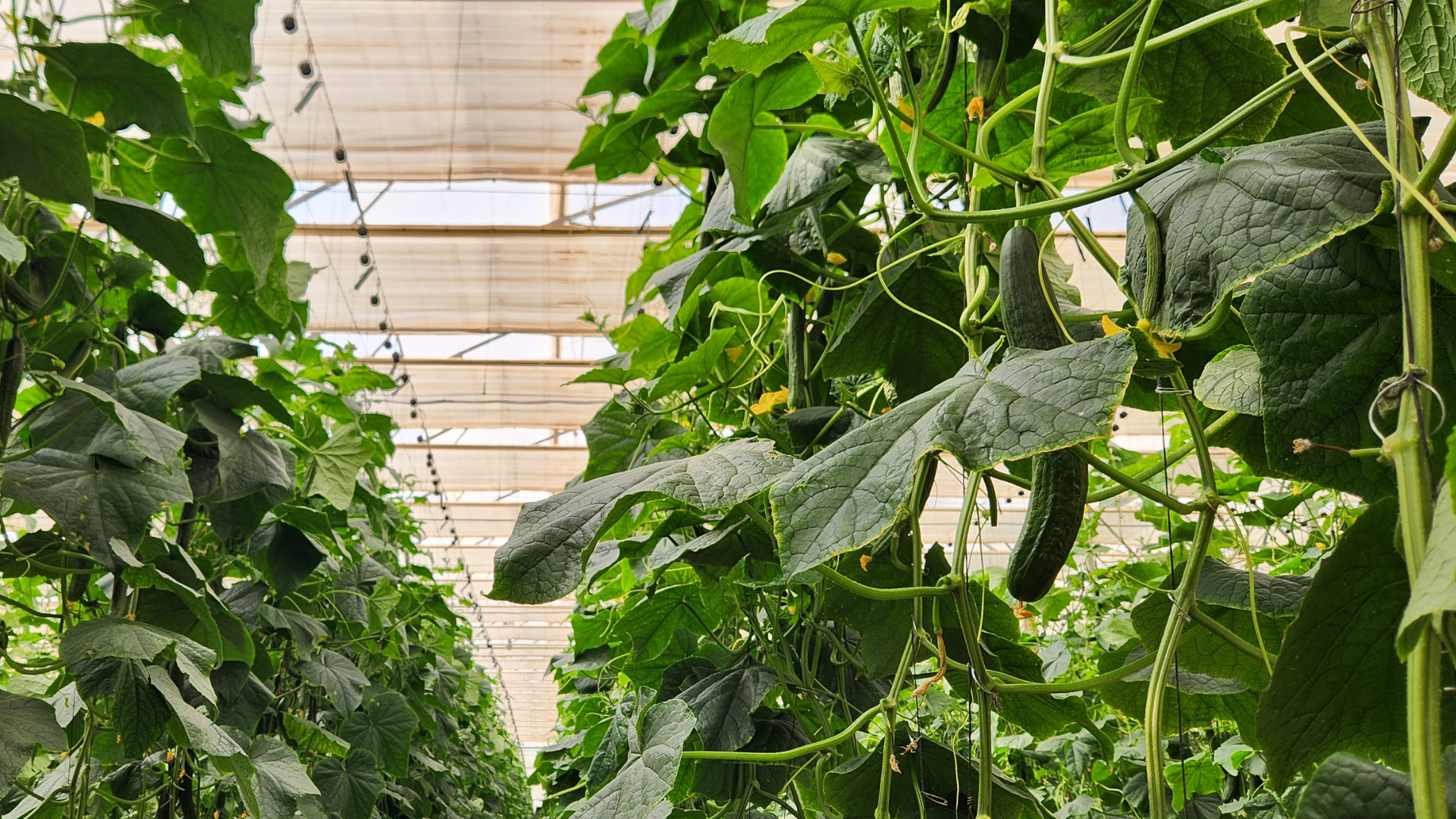
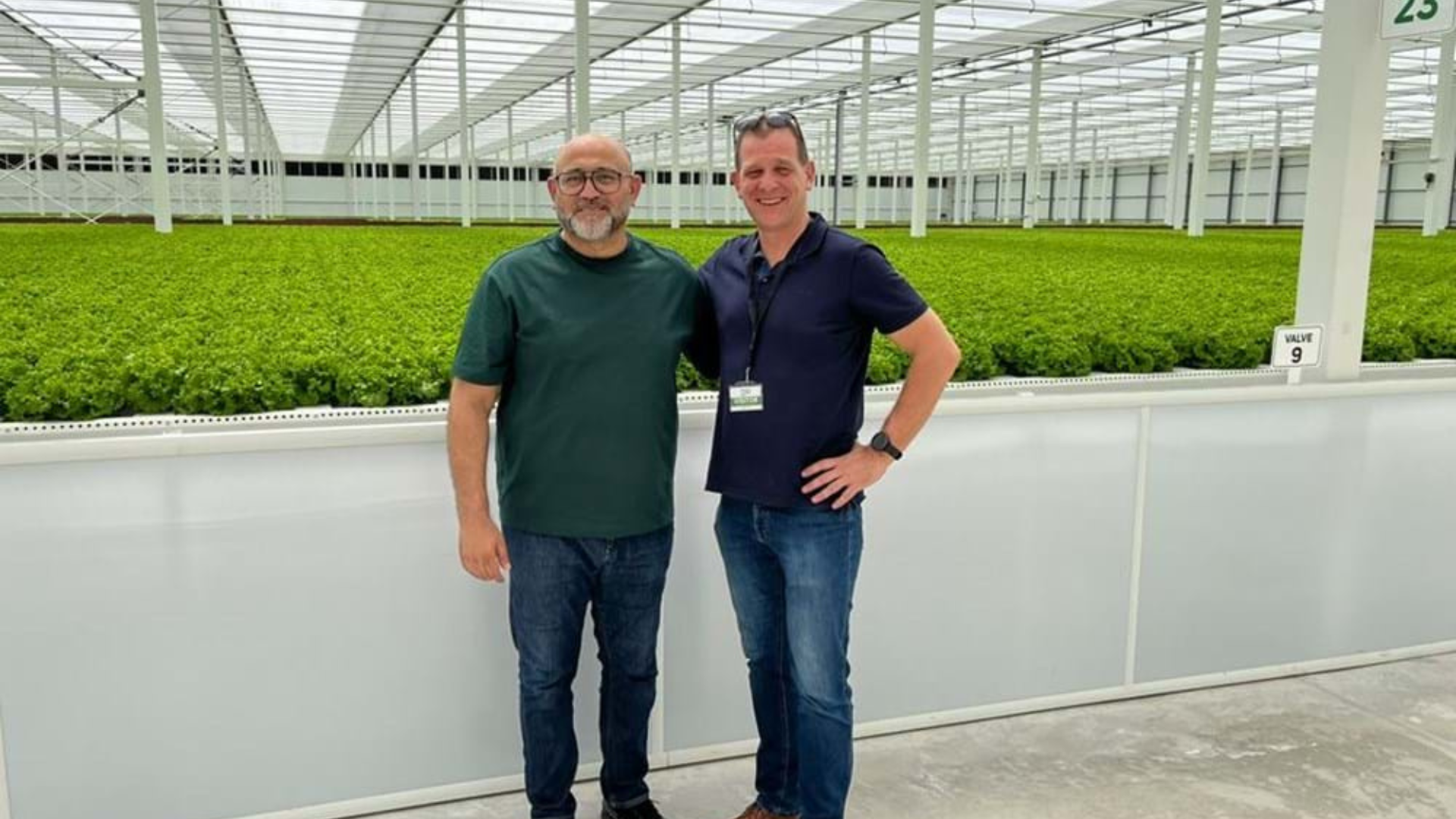
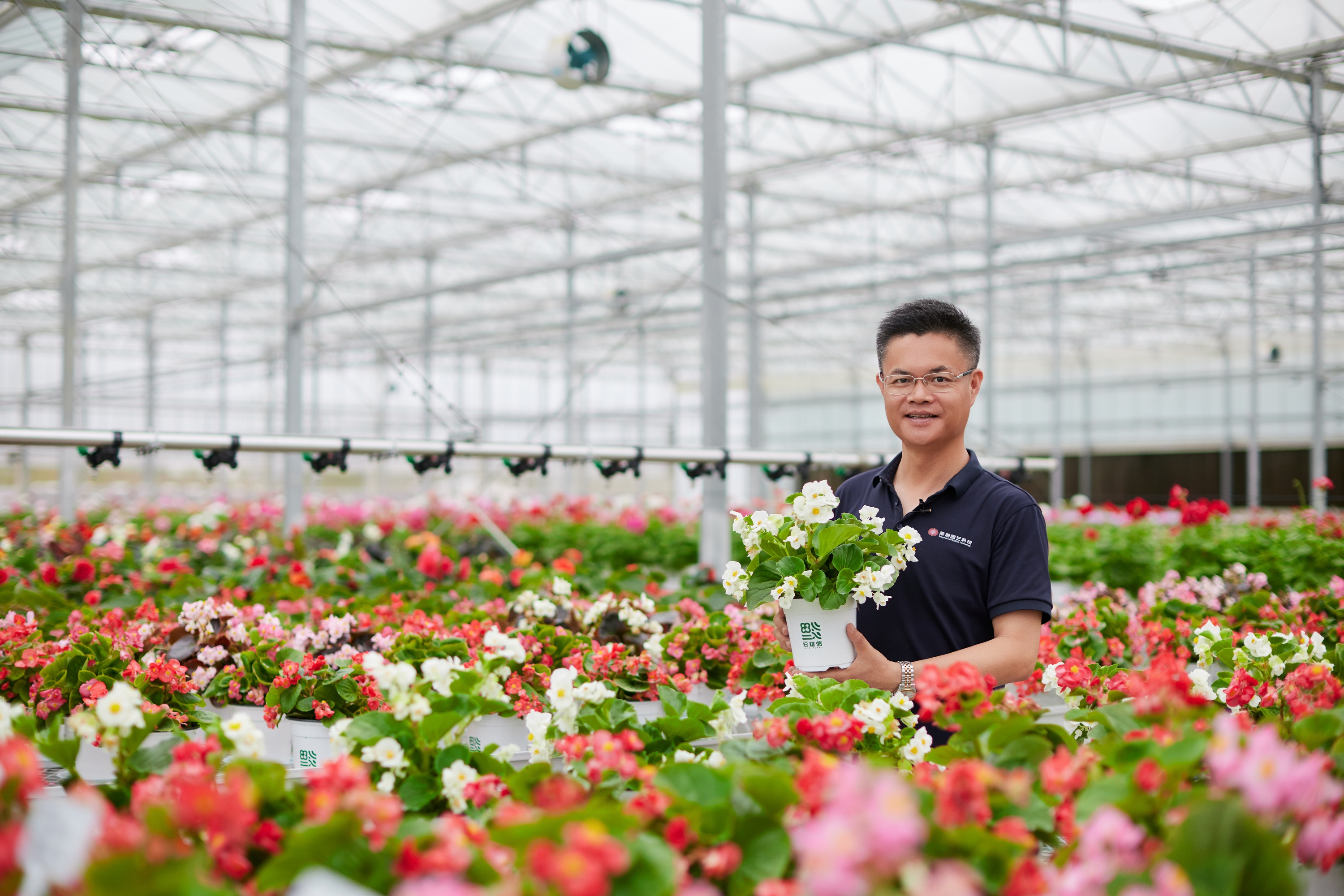
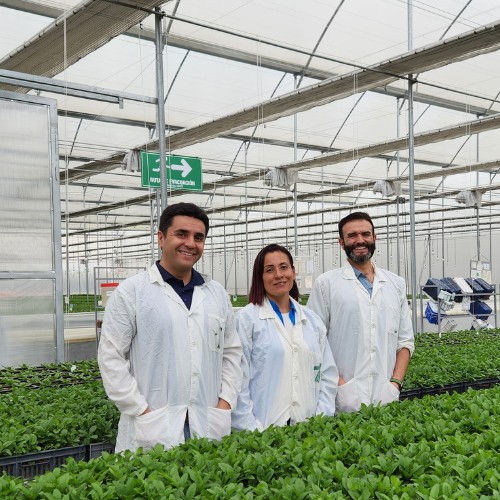
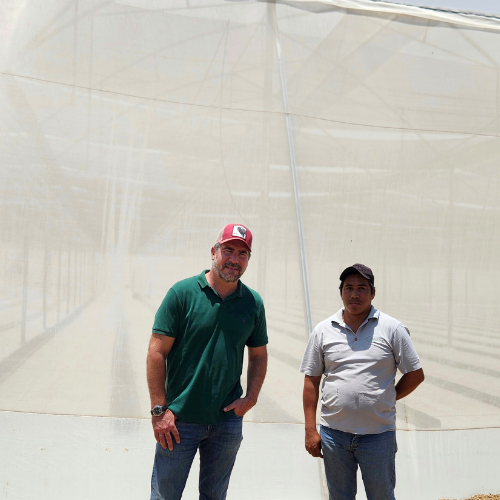
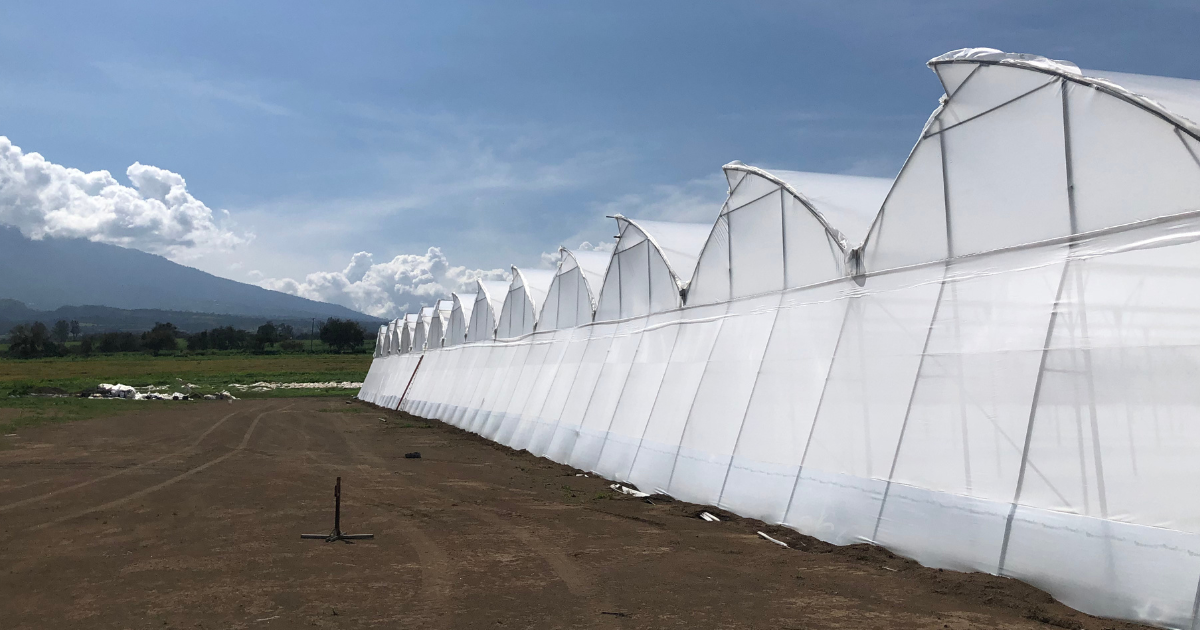
See how growers are creating stable climates and improving crop results with better temperature control.
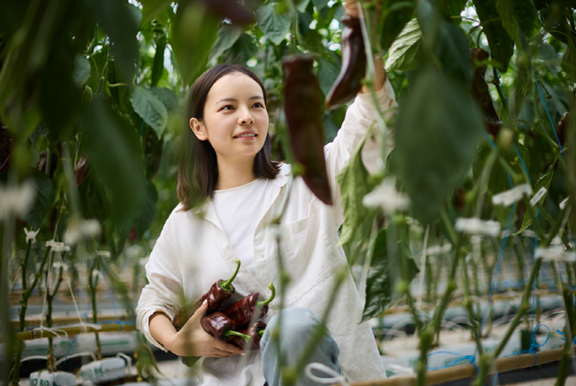

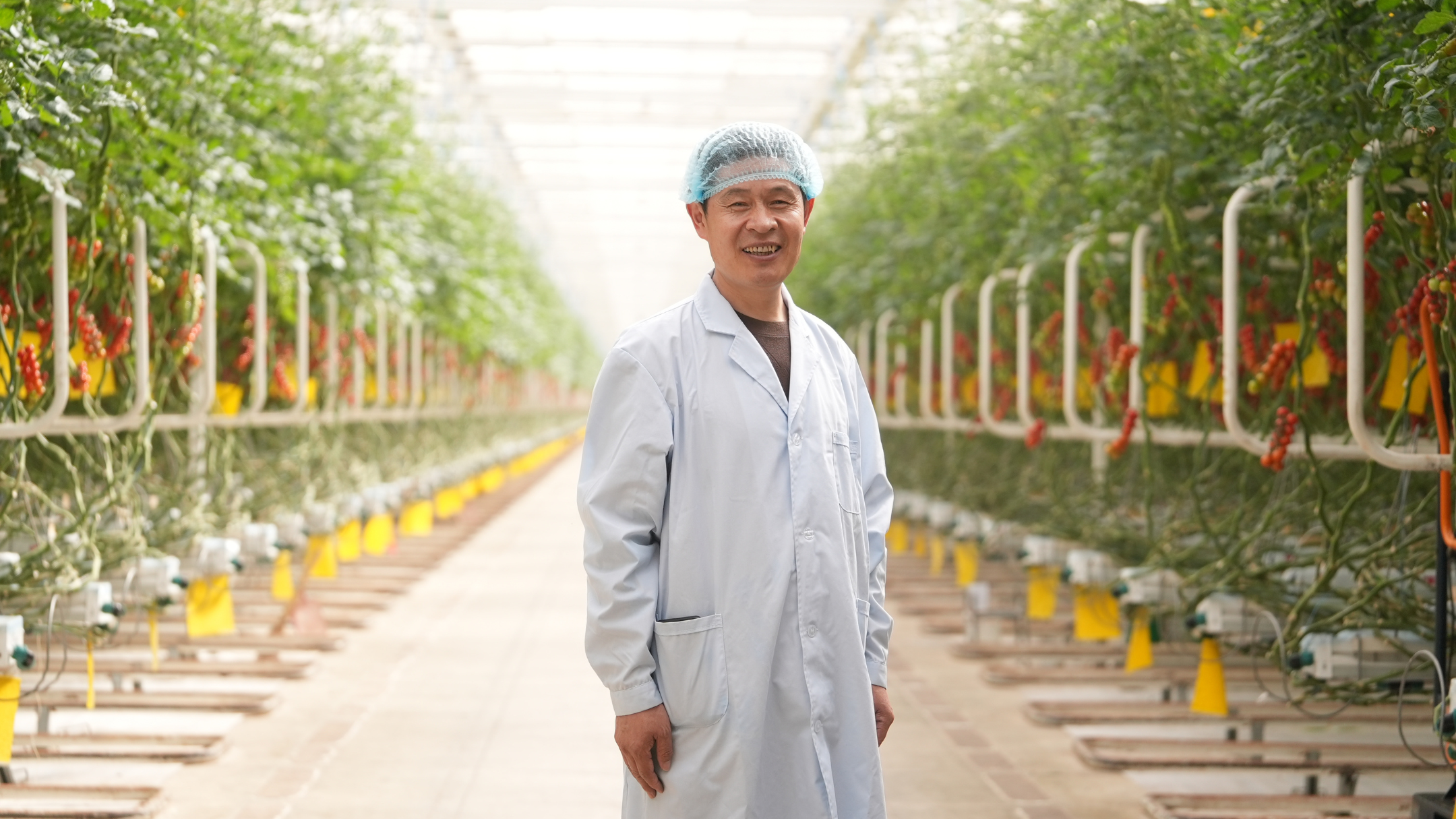
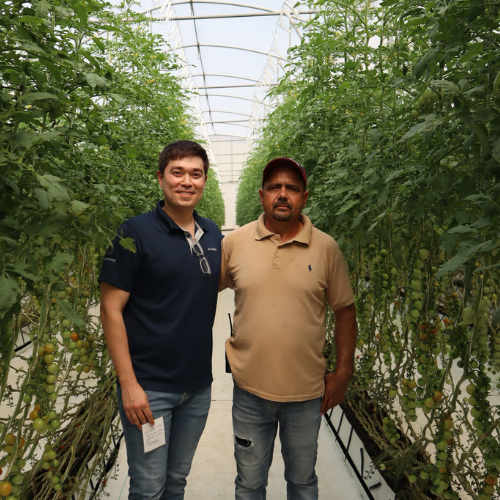




Stay ahead of heat challenges
Subscribe to the Warmzones Growers Blog for practical insights, grower stories, and climate strategies tailored to greenhouse production in hot regions. Get expert tips on managing temperature, light, and airflow delivered straight to your inbox.
Have questions or need personalized support?
Connect with our experts to find the right temperature control strategies for a healthier, more consistent greenhouse climate.
-

Ying Ying
Greenhouse Climate Consultant
-


Frequently Asked Questions
-
Why is temperature regulation so critical for growth?
Plant growth depends on temperature being regulated within a narrow range. If it’s too low, metabolic activity slows; if it’s too high, respiration overtakes photosynthesis and growth stalls.
Stable temperatures keep energy use efficient and plant development predictable — the foundation for consistent yield and quality. -
What happens when greenhouse temperatures are too high?
Excessive heat can slow photosynthesis, increase plant stress, and reduce fruit or flower quality, especially when temperatures rise above 30°C.
-
How does cold affect greenhouse crops?
Low temperatures can slow growth, delay flowering or fruiting, and increase the risk of frost damage, particularly at night or during cold snaps.
-
How should screen control adapt to changing weather conditions?
Control should respond dynamically to real-time data. On bright but cold days, partial closure may preserve heat without restricting light.
When clouds pass suddenly, screen movement should be delayed just long enough to avoid constant toggling. Adaptive control based on both radiation and temperature keeps the greenhouse stable while minimizing energy use. -
Which screens are best for regulating greenhouse temperature?
The best screens for temperature control depend on your climate and crop needs. For retaining heat in colder conditions, energy screens like Luxous help trap warmth and reduce heat loss at night. In warmer climates, Harmony and PARperfect screens diffuse light and limit excess solar gain, helping to prevent overheating. Many growers benefit from a dual-screen system that provides flexibility for both heating and cooling needs throughout the year. Working with a climate advisor can help you choose the right combination for your greenhouse.
-
What risks arise from opening screens too early or closing too late?
Mistimed screen movement can undo climate stability. Opening too early can cause temperature and humidity swings, stressing the crop.
Closing too late lets heat escape and increases energy consumption. Precise timing — guided by radiation and temperature sensors — prevents those losses. -
How do screens — especially open screen structures — help regulate temperature day and night?
During the day, screens intercept part of the incoming radiation, reducing heat build-up and protecting crops from temperature spikes.
At night they act as insulation, trapping longwave radiation and reducing heat loss to the cold roof above. Open screen structures let air circulate even while shading, maintaining an even climate without stifling airflow. -
What’s the best way to open screens in the morning?
Screens should open gradually in stages as outside radiation increases.
A sudden full opening can create thermal shock — cold air rushes in, warm moist air escapes, and condensation forms on leaves.
Stepwise opening allows temperature and humidity to equalise gently, giving the plants a smooth transition into the day. -
When should screens be closed in the evening and why?
Closing before sunset helps capture the remaining warmth from the day and prevents rapid temperature drops after dusk. The goal is to maintain a small difference between leaf and air temperature to reduce condensation and save energy overnight. Closing too late wastes heat already paid for through ventilation or heating.
-
How do screens reduce heating costs during cold periods?
A single energy screen can cut heat loss by 40% or more by blocking radiation to the cold roof and limiting air exchange.
-
Can climate screens help with both heating and cooling?
Yes. Climate screens play an important role in retaining warmth and preventing overheating. At night or during cold weather, energy screens like Svensson’s Luxous help reduce heat loss by trapping warm air and blocking radiation from escaping. During the day, certain screens with reflective or light-diffusing properties help limit excess solar gain, keeping greenhouse temperatures from rising too quickly. This combination allows growers to maintain a more stable climate, reduce temperature swings, and support better crop performance throughout the year.
