

For more than fifteen years I have argued against the continued use of natural gas in horticulture. In my view, it is an outdated energy source. The Netherlands actually has access to more energy resources than it needs
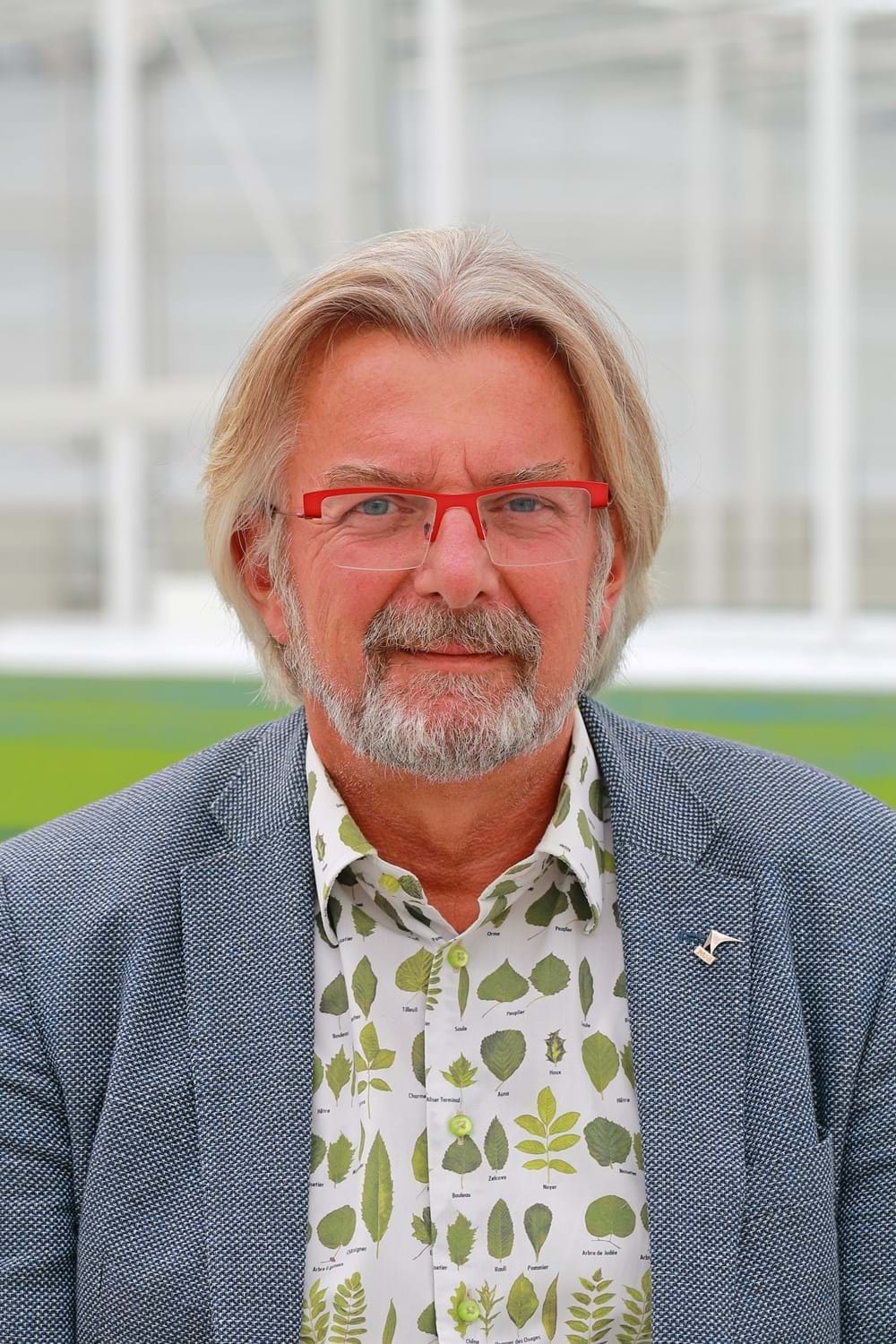
In conversation with... Rob Baan
An interview with Rob Baan is a natural addition to our In conversation with series. Rob is a key figure in the Dutch horticultural sector and founder of Koppert Cress, a leading producer of microgreens and edible flowers. He calls for greater pride within the sector and highlights sustainability and energy efficiency as critical areas for innovation. He also shares his views on the energy transition, including the potential of hydrogen, and explains why reconnecting food production, health, and the environment is so important to him.
The first question comes from Peter Klapwijk, whom we spoke with previously: What do you think are the most important areas where Dutch horticulture still needs to innovate?
Rob: Health and happiness. These are the core values we should protect and promote. When you visit a greenhouse, you experience an incredible concentration of knowledge, creativity, warmth, and innovation. Yet when the sector speaks publicly, it often comes across as modest or even understated. In reality, we should be proud of what we do.
Health and happiness are important not only for individuals but for the sector as a whole. We must recognize that horticulture is a major pillar of the Dutch economy, comparable in importance to the Port of Rotterdam or Schiphol Airport.
From an innovation perspective, sustainability and energy efficiency remain essential. We need to keep investing in smart technologies, including hydrogen and other sustainable solutions that reduce our ecological footprint. But innovation is not only about technology. It is also about communication. We must become better at telling our story and helping society understand the value of horticulture.
That process has to begin within our own sector. It’s why I give lectures and share ideas. We shouldn’t wait for outside agencies to tell our story—we should take the initiative ourselves.
How do you see the new generation of greenhouse horticulture entrepreneurs approaching this?
Rob: I’m very impressed with the new generation. They are talented and highly entrepreneurial. Compared to earlier generations, they may focus less on traditional horticultural methods and more on efficiency and business development.
Entrepreneurship has always been deeply rooted in our sector, and that will remain the case. However, we need to be careful not to turn our businesses into nothing more than lean production machines. We should never lose sight of the value of what we produce. If we start selling our products at prices that are too low, we undermine that value—and that would be a mistake.
Industry leaders often say that horticulture needs to communicate more about what it does. Do you agree?
Rob: Yes, absolutely. We need to tell our story and raise awareness about the work we do. At the same time, there is also a challenge on the receiving end.
Many people outside the sector have little understanding of horticulture, and sometimes they receive incorrect or misleading information. That means we should think not only about what we communicate, but also about who receives our message. It’s important that the right people receive accurate information about our sector.
You are known for your innovative and sustainable approach. What has driven your vision, and how has it helped Koppert Cress develop into a pioneer in greenhouse horticulture?
Rob: The answer is quite simple: I want it that way. I’m not someone who likes to sit back and accept things as they are. I want to keep improving and moving forward. Innovation and creativity are essential for growth, and horticulture provides an ideal environment for testing new ideas.
One of the reasons I care so much about the Dutch horticultural sector is precisely because it offers a perfect platform for innovation.
The greenhouse horticulture sector is undergoing major changes, both technologically and in response to market demands. What makes you optimistic about the future of the sector?
Rob: I believe the Dutch greenhouse horticulture sector has a strong future ahead of it, but achieving that future requires collective effort. We need to break away from old habits and invest seriously in sustainable energy.
For more than fifteen years I have argued against the continued use of natural gas in horticulture. In my view, it is an outdated energy source. The Netherlands actually has access to more energy resources than it needs, and if we manage them wisely we could generate large amounts of energy without relying on fossil fuels.
The challenge is that natural gas has been widely used for decades, so change has been slow. In 2010, I decided to transition my company completely to green energy. My customers—around 80,000 restaurants—care deeply about sustainability. Because our production no longer depends on fossil fuels, they are not limited by seasonal supply in the same way.
My goal is to achieve energy neutrality and CO₂ neutrality by 2025. The technology to achieve this already exists. The real obstacle is that fossil fuels have historically been cheap and abundant, which reduces the urgency for change. Moving away from them requires significant adjustments to business processes and investments, which many companies still hesitate to make. Governments also have an important role to play by encouraging renewable energy and discouraging fossil fuel investments.
The energy transition is a major topic in greenhouse horticulture. How do you see the sector moving toward more energy-efficient and climate-neutral production?
Rob:
We need to work with governments to set ambitious targets for achieving energy neutrality and CO₂ neutrality. Too often we postpone action. Instead, we should focus on clear, achievable goals in the short term.
Governments can help by introducing policies that promote renewable energy and sustainable practices. Hydrogen is a particularly promising option for horticulture, but we need to demonstrate its value and convince governments to invest in the technology.
Hydrogen can be produced and used efficiently within the sector and has strong potential for large-scale energy storage. I believe greenhouse horticulture could become one of the most innovative and energy-efficient sectors in the world—but only if we collaborate, adopt new technologies, and adjust our business processes accordingly.
You often speak about restoring the connection between food production, health, and the environment. How are you working to strengthen these connections?
Rob: One way I try to contribute is through initiatives such as the Nutrition Leeft foundation. The idea is simple: food can play a powerful role in improving health.
For example, we have demonstrated that type 2 diabetes can be reversed through changes in diet. If we can show that food has this kind of impact on health, it can transform the way society thinks about nutrition and agriculture.
I’m also involved in projects that bring healthier food into hospitals and encourage a different mindset around what people should eat during illness. Progress is gradual, but I hope these efforts inspire others in the horticultural sector to take similar steps.
What advice would you give to young entrepreneurs and professionals who want to enter the greenhouse horticulture sector?
Rob: Keep learning and remain open to new ideas. The greenhouse horticulture sector offers tremendous opportunities for innovation and sustainability, but real change requires commitment and perseverance.
Don’t be afraid to take risks or try new approaches. Surround yourself with talented people and build strong partnerships. Sustainability and responsible entrepreneurship are not only good for the environment—they can also provide a competitive advantage and strengthen the long-term future of your business.
Most importantly, be patient and willing to learn from mistakes. Innovation inevitably involves setbacks, but those experiences are exactly what help us grow and move forward.
Finally, the next candidate in this interview series is Willem de Bruijn from Vollebregt-Barten. What question would you like to ask him?
Rob: The housing market is looking increasingly toward the Westland region. Those 2,300 hectares of greenhouse horticulture sit right next to major cities and benefit from excellent infrastructure—power supply, geothermal heating networks, a strong supply industry, and outstanding logistics.
The question is: how long will we be able to maintain that balance?
From one grower to another.
Explore real-world stories like this.
05 Apr 2024 | Industry voices
In conversation with… Sjaak Bakker
Sjaak Bakker was manager of the Greenhouse Horticulture and Flower Bulbs business unit at Wageningen University & Research (WUR) until the end of 2022. Although he recently retired, he is still actively involved in the work. WUR is currently renovating the greenhouses where research and tests are carried out. Due to his extensive experience and expertise, WUR has asked Sjaak to help coordinate these innovations, at least until the end of 2024. He is therefore still using his knowledge and skills to successfully lead this process.

02 Mar 2023 | Industry voices
In conversation with... Puck van Holsteijn
Puck van Holsteijn, director of World Horti Center, shares her views on innovation, collaboration and attracting young talent
26 Sep 2024 | Industry voices
In conversation with… Ronald Hoek
Blue Radix recently won the prestigious GreenTech Innovation Award 2024 with their advanced AI system: integrated autonomous climate and irrigation control. This system, an improvement of the already successful Crop Controller, enables growers to manage their greenhouses more efficiently and sustainably. In this interview, we speak with Ronald Hoek, CEO of Blue Radix , about the developments, challenges and future vision of autonomous growing.