


We chose to equip the entire greenhouse with double screens. The high diffusivity of PARperfect ensures that natural light is evenly distributed across the crop.
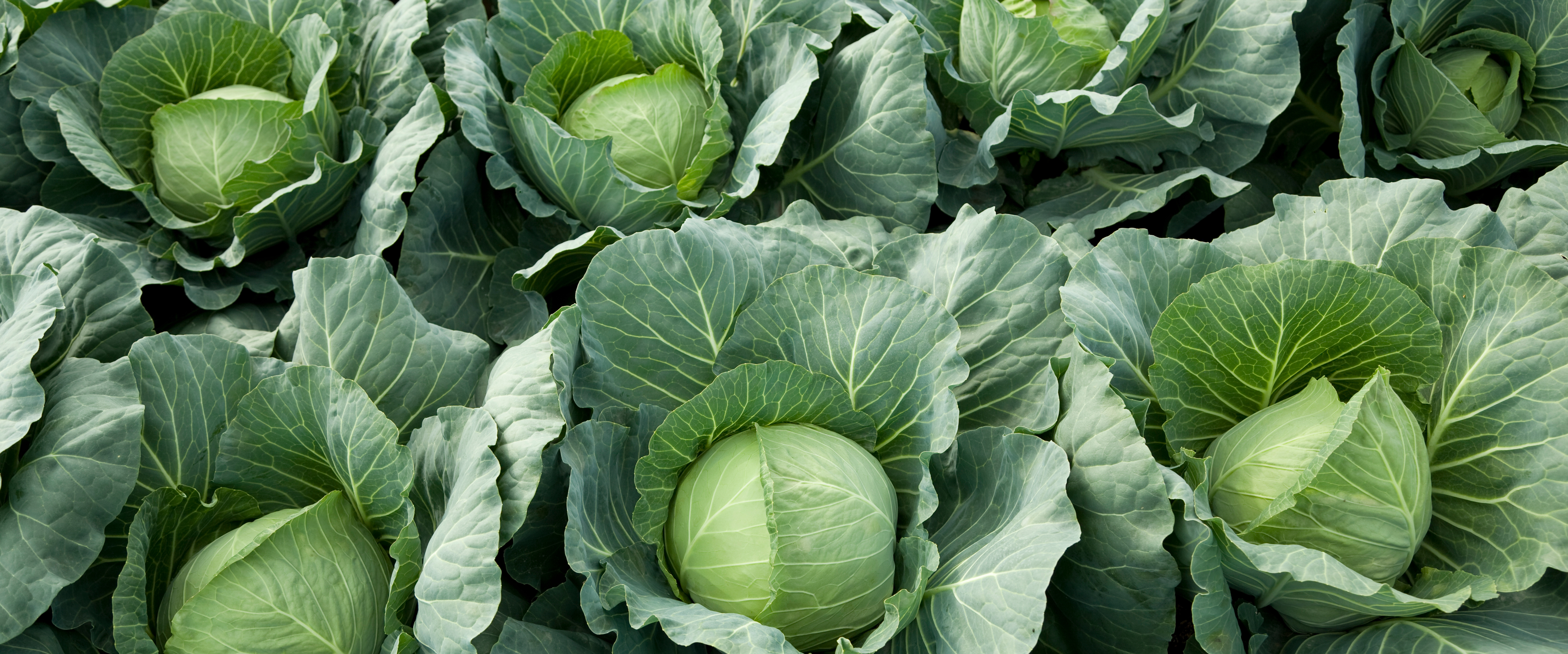
Growing better plant material with PARperfect precise light control at Gitzels Nursery
-
- Greenhouse:
- Gitzels Nursery
-
- Location:
- Wervershoof, the Netherlands
-
- Crop:
- Vegetable seedlings
-
- Challenge:
- Light control for uniform plant development
-
- Solution:
- PARperfect
NOVEMBER 2020
At Gitzels plant nursery, innovation and efficiency are central to daily operations. The company focuses on producing consistent and stable plant material for outdoor vegetable growers, as well as propagation services for seed and breeding companies.
To further improve plant quality, Gitzels is building a new greenhouse in Wervershoof with a strong focus on light and climate control. For this project, the nursery selected Svensson’s PARperfect screen solution to support more precise light management and crop uniformity.
Innovation as a core value
Continuous improvement is part of Gitzels’ DNA, explains Mike Gitzels, who is responsible for innovation and development at the nursery. Together with growers, suppliers, and research partners, the team works on topics such as greenhouse climate, biostimulants, fertilization, organic cultivation methods, and crop protection.
Since 2016, Matthijs Woestenburg has been part of the team, focusing on research and development. According to Mike, the key question is always how to do things just a little bit better.
“We want to improve plant quality through research and development. We started with organic cultivation of outdoor vegetables, mainly cabbage plants, and learned a lot about climate management and the use of screens. We want to apply and further develop that knowledge in our new greenhouse.”
A new greenhouse designed around light
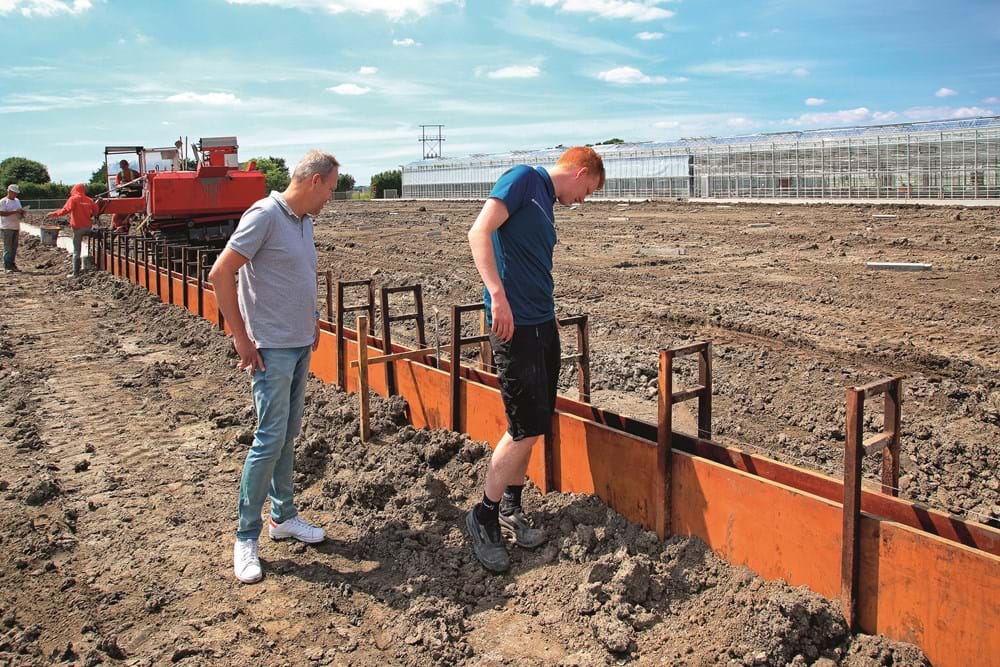
Behind the existing 7.5-hectare nursery in Wervershoof, a new 2.8-hectare greenhouse is currently under construction. Gitzels also operates a 2-hectare greenhouse in Hem, which will be demolished. The land released there will be converted into habitat for meadow birds.
In the new greenhouse, approximately 6,000 square meters will be fully equipped for bio-farming. The remaining sections will be prepared to allow a gradual transition toward bio-cultivation practices. The entire greenhouse will be equipped with Svensson’s PARperfect screen solution.
Playing with screens to support plant activity
“We chose to equip the entire greenhouse with double screens,” says Mike. “The high diffusivity of PARperfect ensures that natural light is evenly distributed across the crop. By adjusting the upper climate screen, the plants always receive the right level of irradiation.”
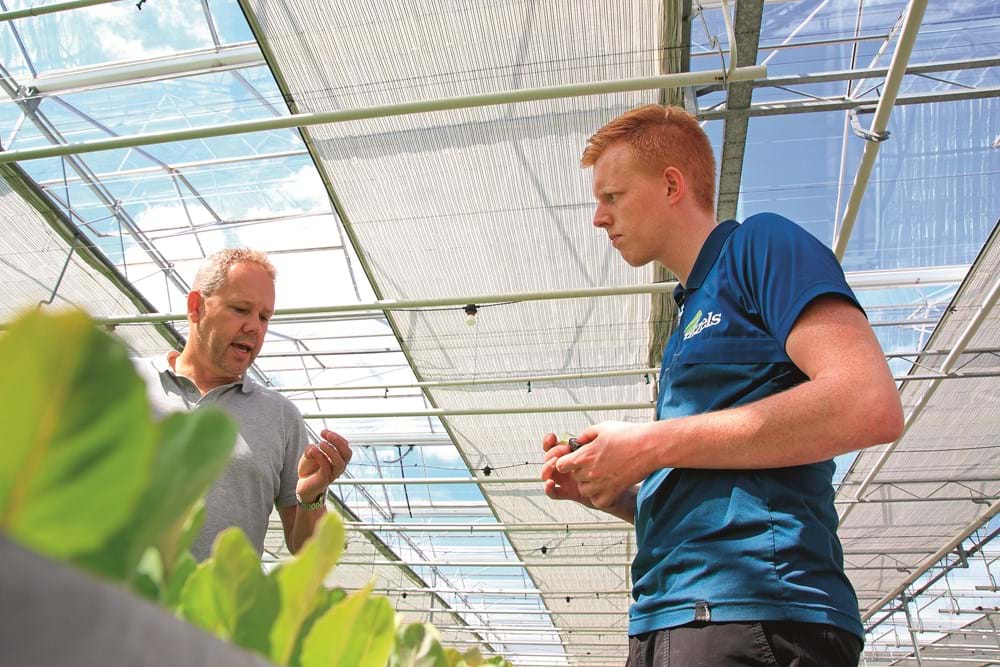
Cabbage is considered a relatively cold crop and requires protection from intense summer radiation. In the existing greenhouse, Gitzels uses a single screen mainly to reduce energy loss and manage temperature. However, the nursery has learned that light and plant temperature behave very differently from ambient greenhouse temperature.
“There are up to 950 small plants per square meter,” Mike explains. “That means the microclimate is extremely important. We used to focus mainly on greenhouse air temperature, but plant temperature varies much more than expected. By playing with screen positions, we can keep the plant active at night as well. That results in heavier, stronger plants. In the new greenhouse, we want to optimize that balance.”
Optimizing light use throughout the season
Gitzels aims to deliver plants that allow customers to use their own greenhouses as efficiently as possible. Demand for cabbage plants peaks in April, while crops such as cauliflower, pointed cabbage, and broccoli are grown over a longer period.
This means that during summer, large numbers of young plants are exposed to high radiation levels.
“By adjusting the screens, we want to understand how much light a plant can actually absorb,” says Mike. “With PARperfect, we want to determine the optimal light sum per period, combined with precise irrigation. The goal is to produce more consistent and stable plant material so our customers receive plants that perform better in the field.”
Gradual and precise screen control
According to Svensson advisor Bart Bakker, PARperfect allows screen positioning to be adjusted gradually, from 20 percent to fully closed, similar to a light dimmer. The system uses at least two screens, with the lower screen being the Harmony PARperfect climate screen.
“The screen position is continuously adjusted based on solar radiation intensity,” explains Bakker. “This keeps the light level at crop height constant, regardless of season or time of day. Thanks to the very high diffusivity, light distribution is uniform and every plant receives the same amount of light.”
This approach makes it possible to achieve a higher usable PAR sum from natural light, while excluding direct sunlight that could damage the crop. According to Bakker, this can lead to greater uniformity, improved crop development, higher product quality, and reduced need for assimilation lighting.
Mike Gitzels adds that the system should make it easier to produce heavier, more uniform young plants.
“In the new greenhouse, we want to focus on light, moisture, and energy and find the optimal conditions for the plant. By measuring at plant level, you learn to understand the crop much better.”
Preparing for future production demands
Looking ahead, Gitzels sees several developments where the new greenhouse will play a key role. One of these is the increasing use of fully automated planting machines in outdoor vegetable production. Currently, around 20 percent of Gitzels’ plants are already planted automatically.
“For these systems, uniformity is critical,” Mike explains. “Growers want a sturdy plant of 12 to 15 centimeters. Not taller, otherwise it won’t fit properly in the machine.”
In addition, the nursery plans to integrate selected elements of organic cultivation into conventional production, such as substrates, fertilizers, and biological crop protection. Gitzels is also working on a knowledge-sharing platform for local plant breeders, particularly focused on outdoor vegetable crops such as cabbage, where research is still limited.
By combining practical experience, research, and collaboration, Gitzels aims to continue raising the standard for young plant production.