Losses were between 25% and 40%. However, in recent years, we have only lost between 5% and 8% of the plants, which represents a significant improvement
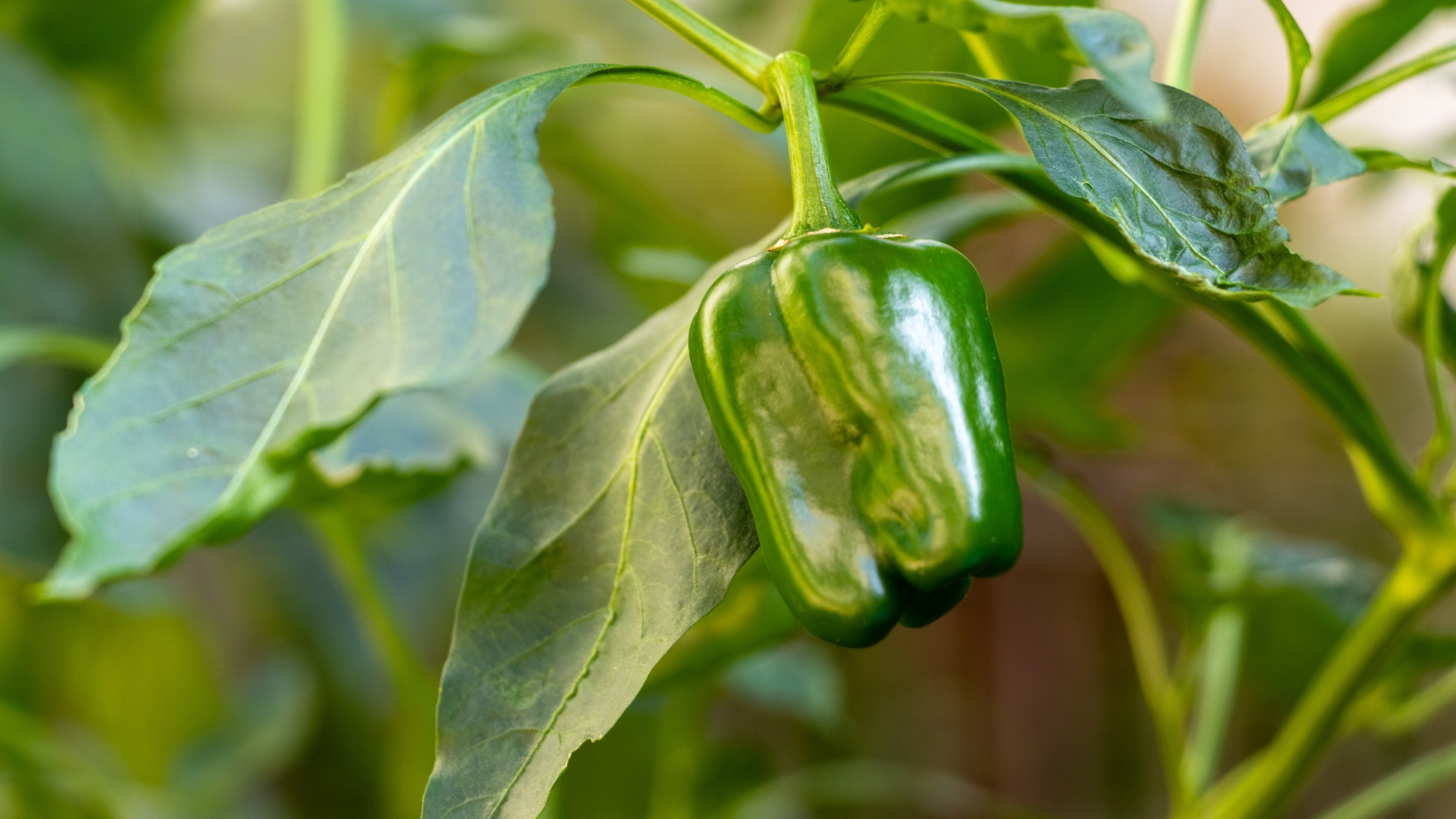
Agroparque El Taray innovates in pepper pest control
-
- Greenhouse:
- Agroparque El Taray
-
- Location:
- Jalisco, Mexico
-
- Crop:
- Sweet peppers
-
- Challenge:
- Thrips pressure, virus transmission, crop quality losses
-
- Solution:
- Xsect X-air, Solarwoven
OCTOBER 2024
In Tamazula de Gordiano, Jalisco — a region with a long agricultural tradition — lies Agroparque El Taray, a family-owned company with 16 years of experience in greenhouse pepper production. The project began with 6 hectares and gradually expanded to the 30 hectares they operate today.
El Taray specializes in producing peppers in three colors (red, yellow and green). One of their biggest challenges has been thrips — a pest that directly impacts crop quality. More than three years ago, with the introduction of Svensson’s Xsect insect control nets, they were able to optimize production and significantly reduce crop losses.
Thrips control: the biggest challenge for El Taray
During our recent visit to El Taray, General Manager Guillermo Iñiguez shared his experience with the Xsect nets and explained how they have been essential in managing thrips pressure, allowing better protection of their crops and improved production outcomes.
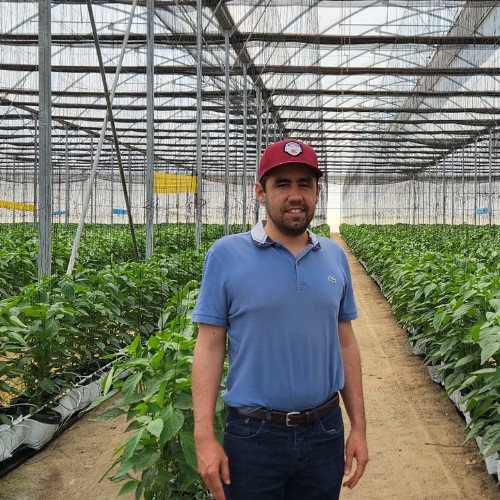
“The main problem we’ve faced throughout El Taray’s history has been thrips,” Guillermo explained. “These insects are so small that they can easily pass through regular nets, and they also carry viruses that damage the plants. Once a plant is infected, the peppers develop small discolored spots that make them commercially unusable. This leads to significant losses — up to 30–40% of the plants by the end of the cycle.”
The issue became severe enough that Guillermo reached out to Svensson. “I had heard they had an anti-thrips net with smaller openings, making it harder for thrips to get in. That would give us the time we need to perform fumigations and keep the pest under control,” he added.
The implementation of X-air nets for pest control
With guidance from Alejandro Medina, Technical Consultant at Svensson, the El Taray team installed their first X-air net trials four years ago, starting with 4 hectares in El Taray 1 — the area historically most affected by thrips. They later expanded the installation to El Taray 2, and recently implemented the nets in El Taray 3.
“Now we have much better control over thrips,” Guillermo said. “Previously, by the end of a cycle, we would lose between 25% and 40% of the plants. In the past few years, losses have dropped to between 5% and 8%. That is a significant improvement.”
To track pest pressure, El Taray’s phytosanitary team carries out inspections twice a week, counting thrips per flower. Monitoring has shown a clear reduction in pest populations and, in turn, a lower incidence of virus transmission. The X-air nets make it more difficult for insects to enter the greenhouse, allowing applications to be more effective and reducing the number of thrips after just two treatments.
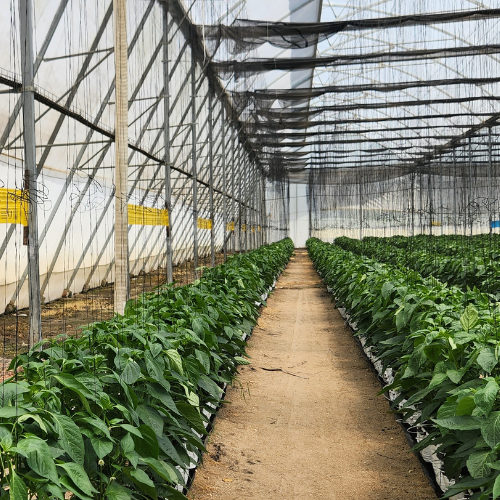
Regarding airflow, although there were initial concerns, Guillermo reported no noticeable negative effects. “The plants are performing well, and I haven’t seen any ventilation issues,” he said. The integration of Solarwoven, sewn directly onto the net, has also improved overall airtightness — especially useful during the rainy season, when preventing water penetration is critical.
Efficient solutions for pepper crops
Following our visit, Guillermo offered this recommendation to other growers:
“My advice would be to invest. I hesitated because I thought it was expensive, but what’s truly expensive is not having the plants at 100%. Production losses and plant losses are what really cost you. In the end, the investment in Xsect nets pays for itself.”
When asked how long it took to recover the investment, Guillermo replied:
“In the same year. Products like Svensson’s nets — the ones that truly work — are not something you should cut corners on. They pay for themselves through the improvement in production. It has been a good investment.”
Guillermo also highlighted the positive working relationship with Svensson in recent years. “With Svensson, we’ve always found a way to overcome any challenge. We’ve now purchased more nets, and our intention is to continue working together. That kind of commitment is not something you find with every company.”
We thank El Taray for their trust, and we look forward to continuing this strong collaboration.
Curious what made it all work?