Before installing Svensson’s insect control nets, I was worried that the temperature would rise too much and that it would affect the humidity. Once we tested the nets, the truth is that it was a very positive surprise.
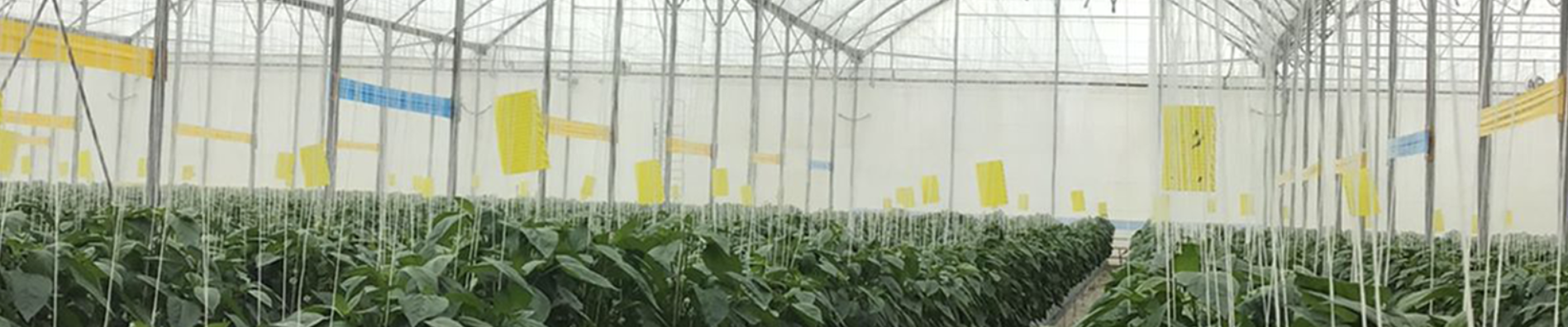
Inveragro eliminates pests while creating an ideally humid climate for pepper growth
-
- Greenhouse:
- Inveragro
-
- Location:
- San Felipe, Guanajuato, Mexico
-
- Crop:
- Peppers
-
- Challenge:
- Low humidity, thrips and mildew
-
- Solution:
- Xsect Extra
NOVEMBER 2022
Inveragro, a pepper grower located in the valley of San Felipe in Guanajuato, Mexico, has a long tradition of producing and drying chili peppers. Operating in a semi-arid climate, the company faced ongoing challenges with pest pressure and low humidity levels inside the greenhouse.
By installing Xsect Xtra insect control nets, Inveragro was able to significantly reduce thrips pressure while simultaneously improving humidity levels, creating a greenhouse climate better suited to pepper growth.
Pepper production under challenging conditions
Inveragro operates a 10-hectare greenhouse that began production three years ago in San Felipe, Guanajuato. The semi-arid climate of the region presents specific challenges for pepper growers, including low ambient humidity and persistent insect pressure from pests such as thrips, whiteflies, and weevils.
Germán Sandoval Barba, grower at Inveragro, was looking for a solution that could improve pest exclusion without negatively affecting climate conditions inside the greenhouse.
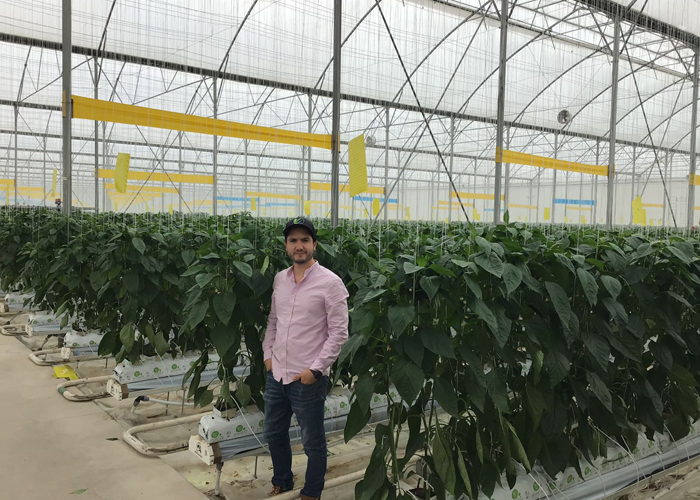
Measurable improvements with Xsect Xtra
About a year ago, Inveragro decided to test Xsect Xtra insect control nets. The results were clear and measurable.
Humidity inside the greenhouse increased by 10 to 15 percent.
Thrips pressure was reduced by approximately 50 percent.
Spending on beneficial insects was reduced.
Use of pesticides and agrochemicals decreased.
Powdery mildew was significantly reduced.
Overall climate control costs became more predictable.
Creating the right humidity for peppers
Peppers are a tropical crop that performs best at relative humidity levels between 60 and 80 percent. Before installing Xsect Xtra, summer humidity levels at Inveragro typically ranged between 45 and 50 percent. To conserve moisture, greenhouse vents often had to remain closed.
“Before installing the insect control nets, I was worried that temperature would rise too much and negatively affect humidity,” says Germán. “Once we tested the nets, the results in terms of temperature and humidity were a very positive surprise.”
With Xsect Xtra in place, greenhouse vents are now open between 20 and 30 percent, while maximum temperatures remain between 32 and 33°C. At the same time, relative humidity has increased to between 60 and 75 percent, creating a more favorable environment for pepper growth.
“I expected that I would need to sacrifice climate control in order to reduce pests,” Germán explains. “Instead, I now have a better climate and fewer insects inside the greenhouse.”
This year, I will apply preventive products only every 15 days. That reduces powdery mildew control costs by about 50 percent because the humidity is now more stable and easier to manage.
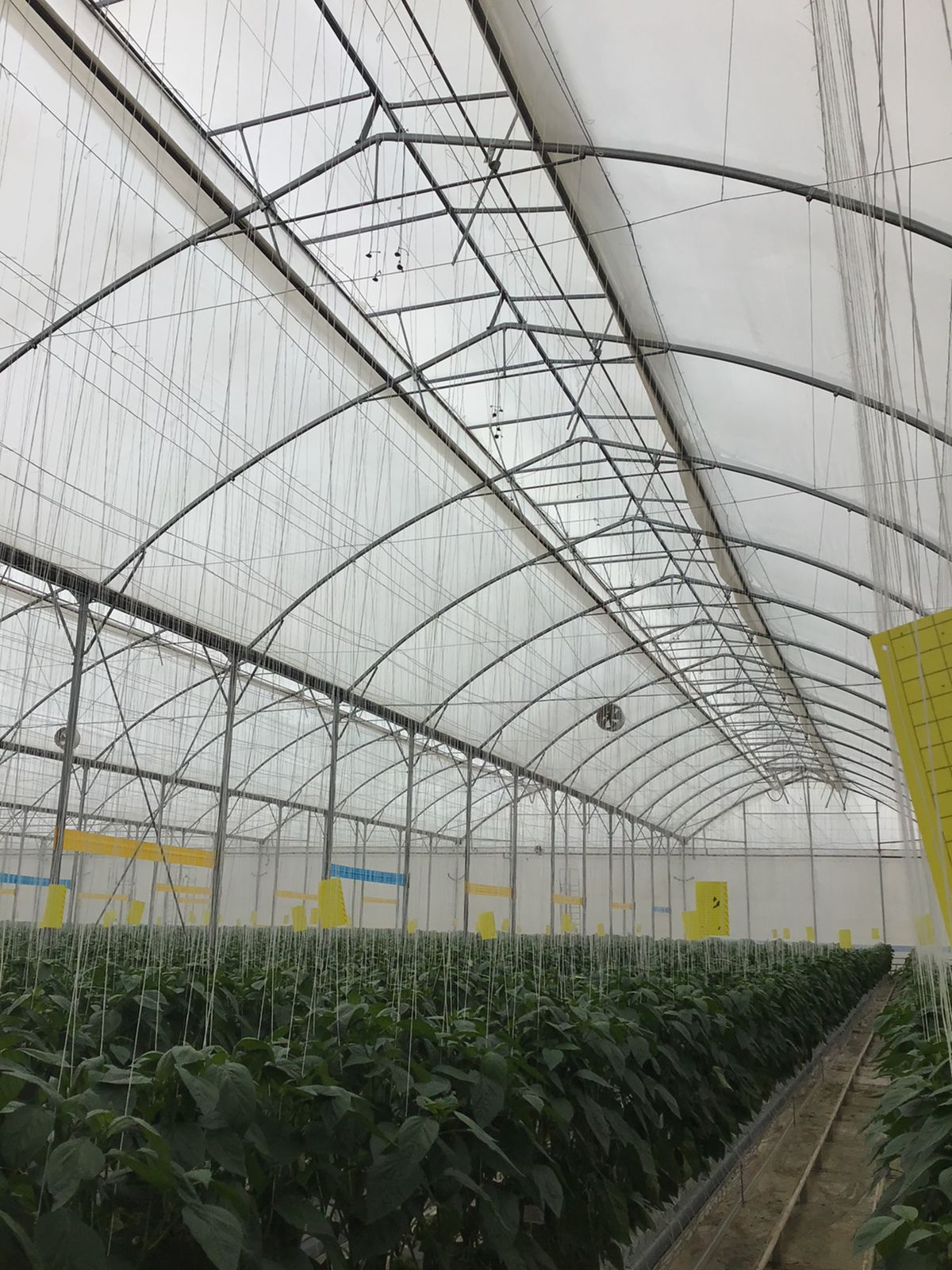
Reducing thrips pressure through improved hermeticity
Pest exclusion is a critical focus at Inveragro. The company employs four full-time staff dedicated to monitoring and maintaining greenhouse hermeticity.
“When I started looking for ways to improve our hermeticity, I discovered Svensson’s insect control nets,” says Germán.
Before installing Xsect Xtra, thrips were typically present inside the greenhouse by the fifth week of the production cycle. This required pesticide or agrochemical applications before beneficial insects could be released.
“Now I can release biological control without applying pesticides that would damage the program,” Germán explains. “We use Orius to control thrips, and since installing Xsect Xtra, about 50 percent fewer thrips enter the greenhouse.”
Healthier plants and lower disease pressure
Powdery mildew was another recurring challenge. Previously, agrochemical treatments were required at least once per week. During the first year with Xsect Xtra, Germán continued the same program but observed no powdery mildew inside the greenhouse.
Based on these results, the disease control strategy has been adjusted.
“This year, I will apply preventive products only every 15 days,” says Germán. “That reduces powdery mildew control costs by about 50 percent because the humidity is now more stable and easier to manage.”
Improvements were also observed in the biological control program. Previously, four Orius per square meter were released. This has now been reduced to three per square meter, resulting in additional cost savings.
“What Xsect Xtra has given me is improved humidity, fewer pests, and reduced plant health problems,” Germán summarizes.
Advice to other pepper growers
Reflecting on his experience, Germán offers clear advice to other growers considering insect control nets.
“I would tell growers who are hesitant not to be afraid. I hesitated at first as well, but the impact on climate is minimal and the benefits for pest and disease control are significant. The net pays for itself.”