
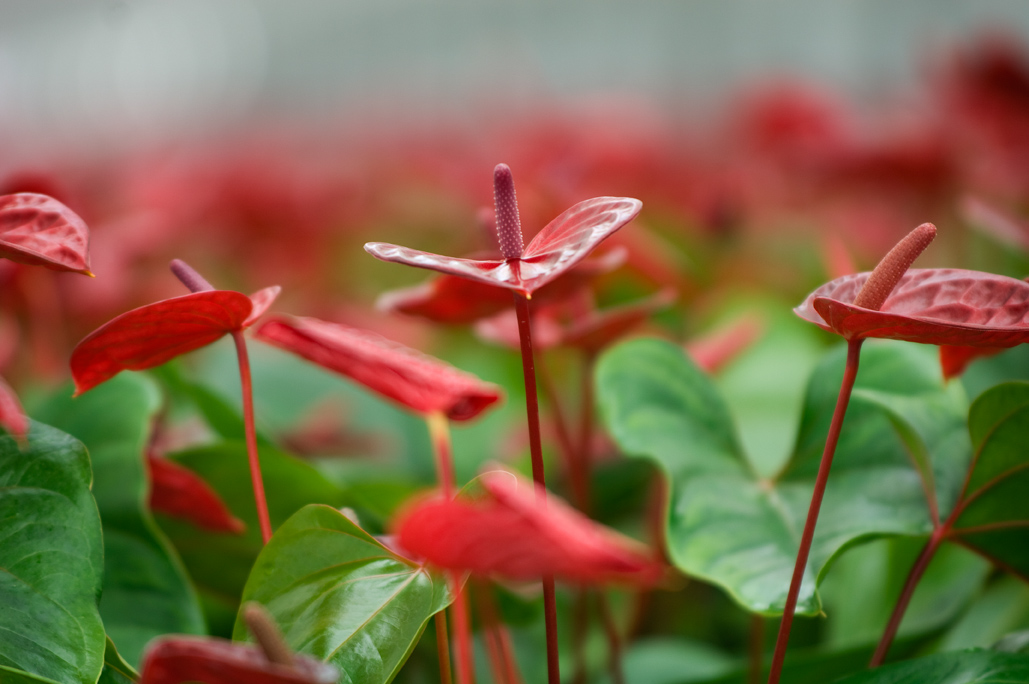
Chiltepec: Pioneers in the use of climate screens to optimize flower growth

-
- Greenhouse:
- Chiltepec
-
- Location:
- Veracruz, Mexico
-
- Crop:
- Anthuriums, Bromeliads, Orchids
-
- Challenge:
- Extreme radiation
-
- Solution:
- Solaro 8635, Harmony
MAY 2023
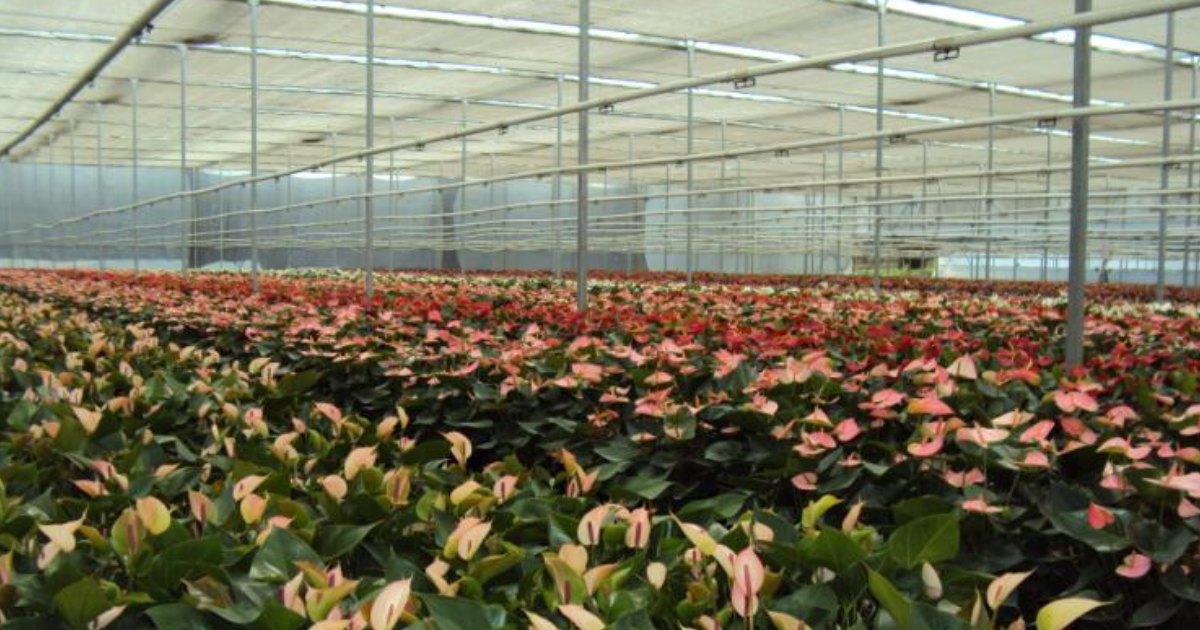
Chiltepec operates commercial greenhouses in the State of Mexico and Veracruz, producing a wide range of potted ornamental flowers, including Anthuriums, Bromeliads, and Orchids such as Phalaenopsis and Dendrobium. Since 2001, Chiltepec has been among the pioneers in Mexico in adopting climate screens as a core tool for managing light, temperature, and humidity in ornamental crop production.
Svensson’s climate screens have played a central role in helping Chiltepec strike the right balance between crop protection and optimal plant development, even under challenging light and temperature conditions.
Two locations, different climates
Chiltepec’s original greenhouse operation is located in the town of Chiltepec in the State of Mexico. A second site was later established in Veracruz, a region characterized by a semi-warm, humid climate.
The State of Mexico site sits at approximately 850 meters above sea level, where winter temperatures can drop to 12°C (54°F). In these conditions, climate screens are essential for reducing heat loss and minimizing plant stress during colder periods.
Since their initial installation, Svensson climate screens have supported more stable growing conditions by conserving heat and protecting sensitive ornamental crops from temperature extremes.
Managing high light levels in orchids
During the visit, Chiltepec explained that Phalaenopsis orchids are particularly sensitive to excessive solar radiation. Exposure to direct sunlight for more than one hour can result in irreversible leaf burn, negatively affecting plant quality and market value.
To address this, Solaro climate screens were installed to limit incoming radiation during periods of high light intensity, keeping leaf temperatures within a safe range and preventing sun damage.
Temperature, humidity, and condensation control
Beyond daytime shading, the Solaro screens are also used at night to reduce heat loss and manage humidity levels inside the greenhouse.
“At night, we manipulate humidity by closing the screen and allowing condensation to form on it. The moisture is then removed through roof ventilation, which helps us reduce disease pressure on the plants,” said a member of the growing team.
This strategy helps prevent condensation from settling directly on the crop, lowering the risk of fungal and bacterial diseases.
Targeted shading for sensitive crops
In cold rooms dedicated to Phalaenopsis production, Solaro 8635 screens are installed to reduce incoming light by up to 85%, while maintaining the humidity levels required by these orchids.
“We can precisely control how much light the plants receive. In the early morning and late afternoon, the crop remains uncovered. During peak radiation hours, we close the screen to protect the plants,” said the grower.
Light measurements at the site have reached up to 120,000 lux during April and May, levels that would significantly delay plant development without effective shading.
Looking ahead
Reflecting on their long-term experience, Chiltepec describes climate screens as an essential production tool: “Climate screens are fundamental to our crop. Without them, excessive light levels would severely affect plant development.”
Chiltepec is currently evaluating a future transition to Harmony climate screens as part of their ongoing effort to further optimize light management and crop performance.
Growers interested in learning more about how shading strategies can support ornamental production are invited to explore Svensson’s Floral Shading Guide.