The humidity levels at the stomata were so high that the plants were no longer transpiring. When that happens, the plants cannot properly take up nutrients, and deficiencies develop. The risk of disease also increases.
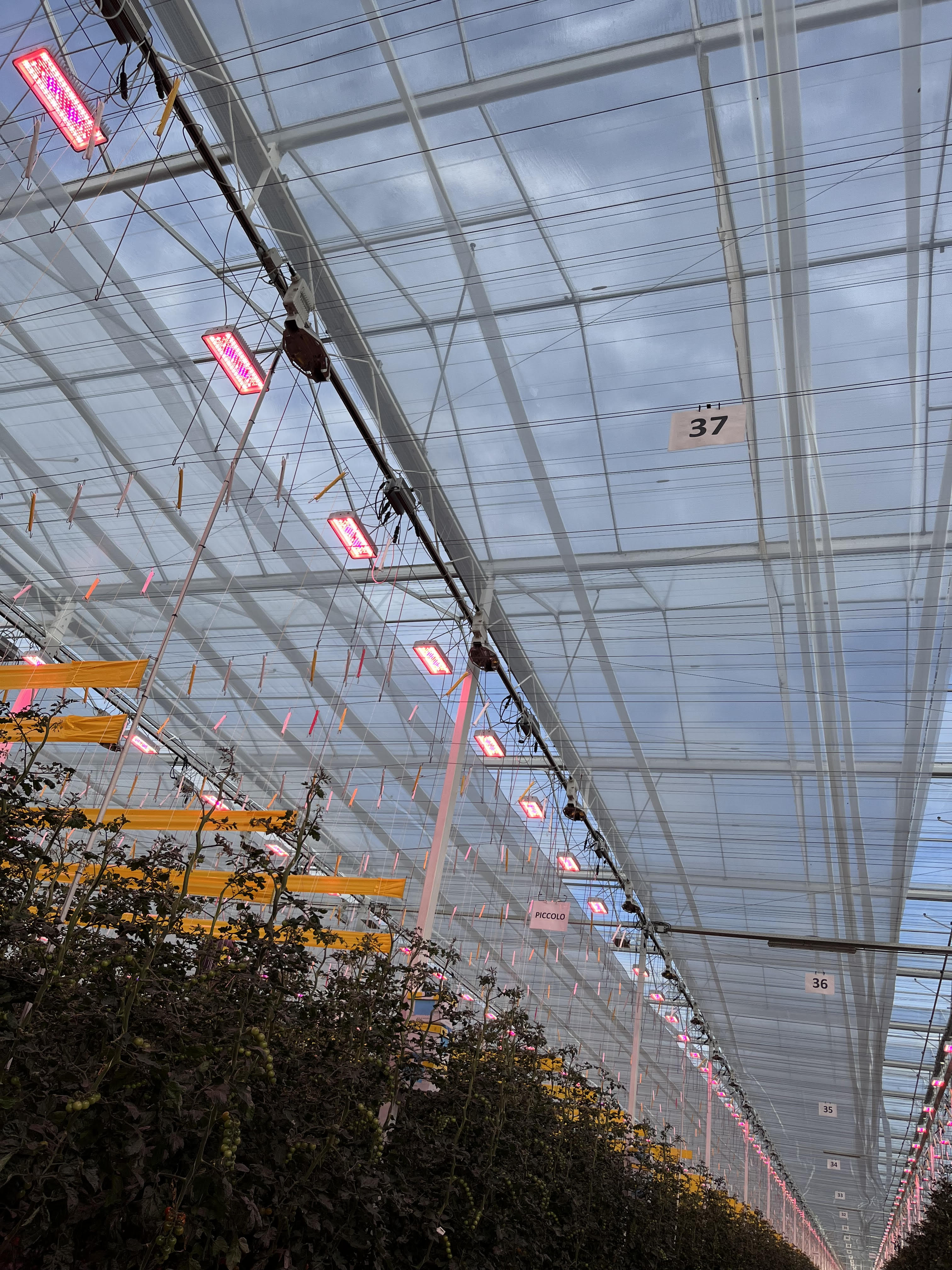
Adapting tomato production to LED lighting with climate screens
-
- Greenhouse:
- Thanet Earth
-
- Location:
- Kent, United Kingdom
-
- Crop:
- Tomatoes
-
- Challenge:
- Reduced radiant heat following LED installation
-
- Solution:
- Luxous 1147 FR, Obscura 9950 FR W
NOVEMBER 2022
In 2021, Addy Breugem, head grower at Thanet Earth Tomatoes, replaced half of the tomato crop’s original SON-T (HPS) lighting with LED lights. The primary motivation was energy efficiency: reducing overall energy consumption and lowering exposure to volatile energy prices.
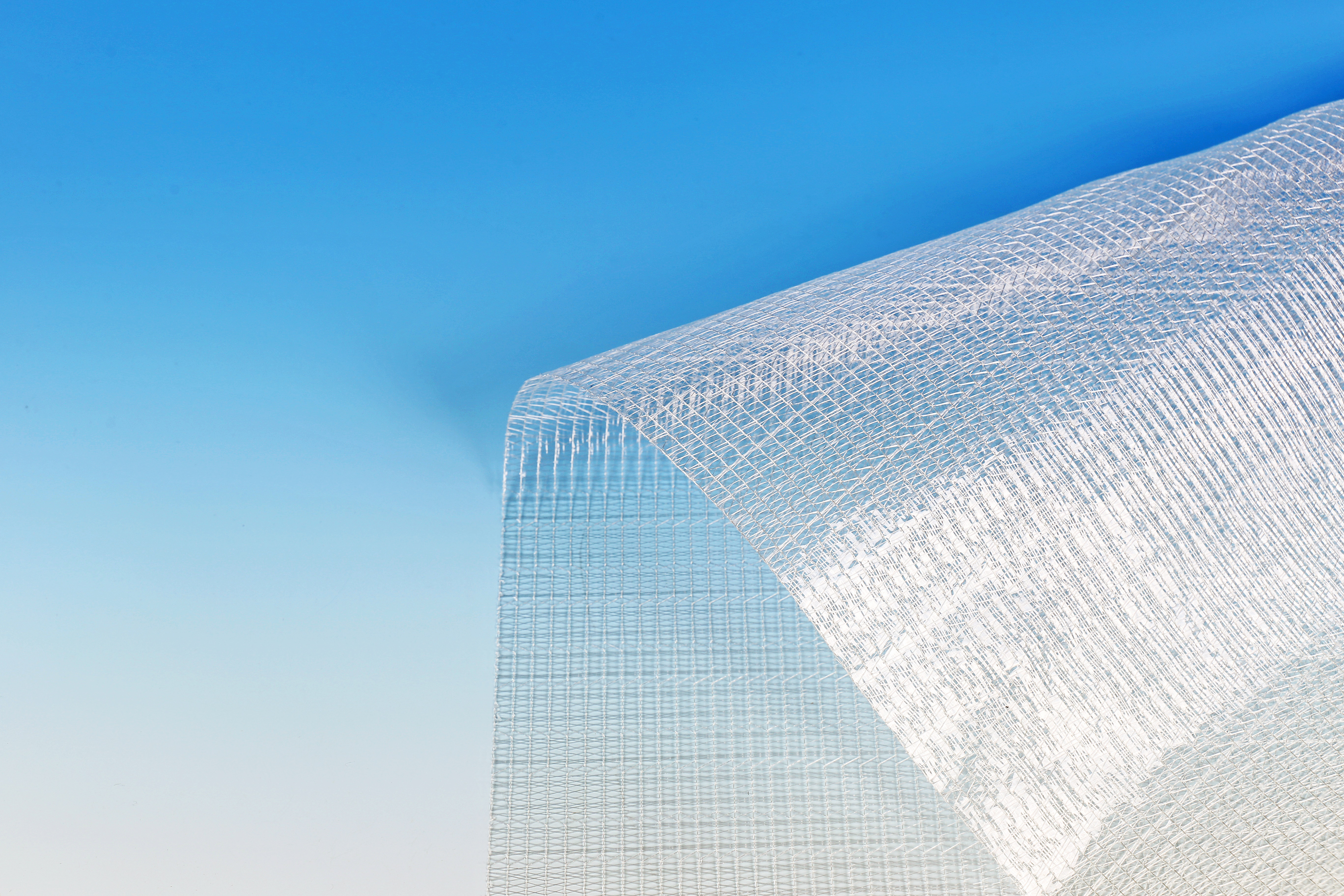
However, the transition quickly revealed that growing tomatoes under LED lighting requires a different climate strategy than production under HPS lights. To address the new challenges, Thanet Earth decided to install Svensson’s LUXOUS 1147 FR climate screens alongside the existing blackout screens.
Unexpected challenges under LED lighting
Once the 24 hectares of LED lighting were installed, it became clear that the tomato plants were not performing as expected. During the spring season, fruit quality suffered, with weaker fruits and increased splitting. Leaf analyses also revealed deficiencies in key nutrients such as calcium and boron.
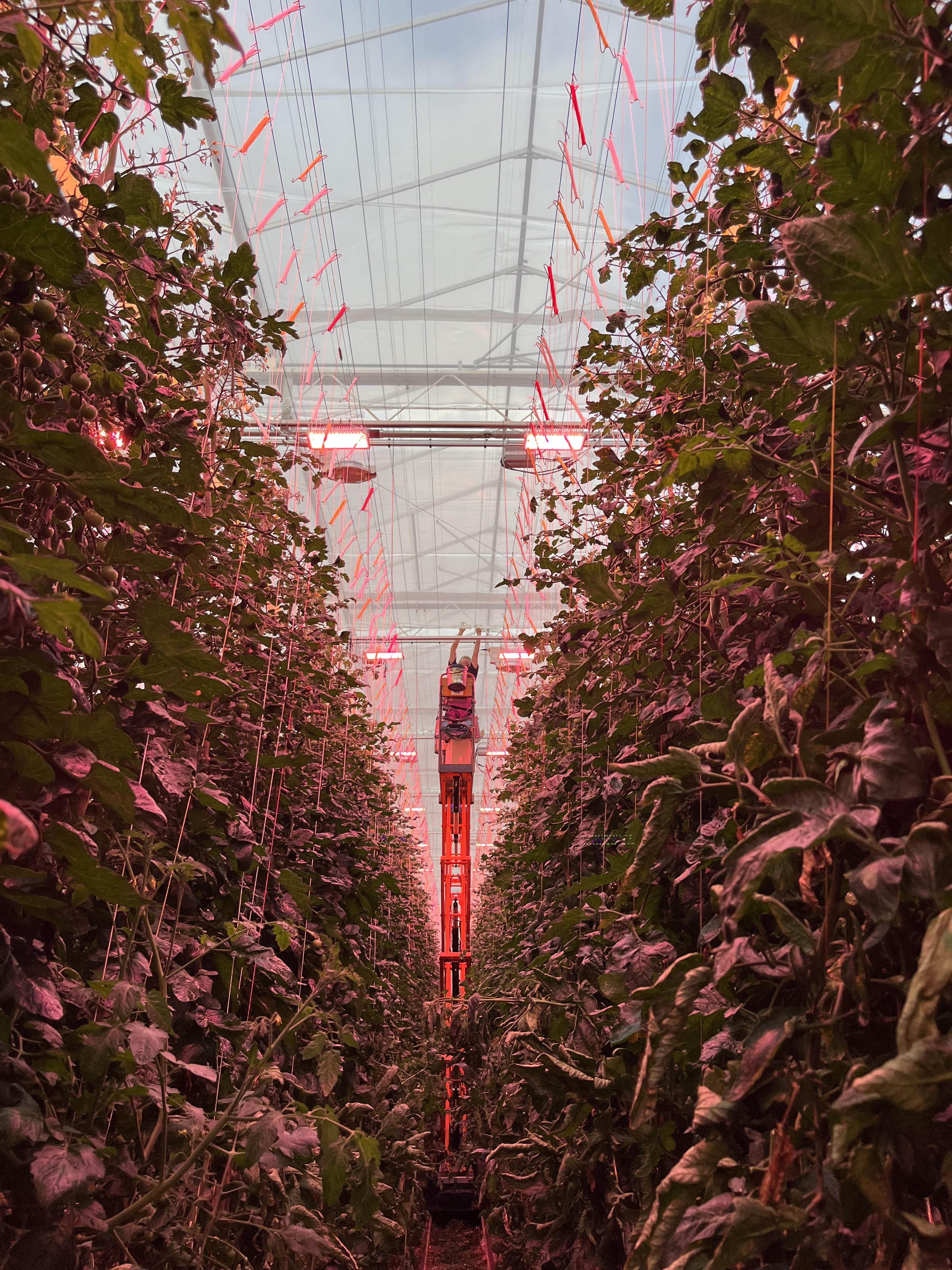
The underlying issue was related to temperature and radiation balance. Unlike HPS lights, LED fixtures emit very little radiant heat. Under traditional systems, the warmth from HPS lighting helps heat the crop head and upper canopy.
With LEDs, this heat source was no longer present. When blackout screens were opened in the morning, the crop began to lose radiant heat toward the cold greenhouse roof. As a result, plant temperature dropped below the surrounding air temperature.
Condensation, reduced evaporation, and nutrient uptake
Lower plant temperatures reduced transpiration, causing condensation to form on plant surfaces. This created conditions favorable for disease development and disrupted nutrient uptake.
“The humidity levels at the stomata were so high that the plants were no longer transpiring,” explains Addy. “When that happens, the plants cannot properly take up nutrients, and deficiencies develop. The risk of disease also increases.”
To prevent this situation, growers generally have two options: increase pipe heating to compensate for the lost radiant heat, or retain and redistribute existing heat more effectively within the greenhouse.
Choosing a second climate screen
After careful consideration, Thanet Earth chose to install a second climate screen rather than increase heating input.
“The best option for us was adding a second screen,” says Addy.
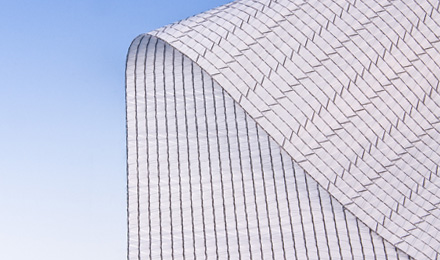
The greenhouse was already equipped with OBSCURA 9950 FR W blackout screens to reduce light emissions. After consultation with Martin van Zeijl, senior sales manager at BOM Group and main contractor for the project, Svensson’s LUXOUS 1147 FR climate screen was selected to complement the existing system.
Balancing energy savings and crop climate
According to Martin van Zeijl, the choice of Svensson was straightforward.
“When it comes to screens, Ludvig Svensson was the obvious choice. We have been involved together in screen development since the 1970s and have introduced many innovations.”
He explains that LUXOUS 1147 FR provides a dual benefit: energy savings combined with precise climate control.
“We chose LUXOUS 1147 FR because it offers excellent heat retention while maintaining very high light transmission. It is one of the clearest climate screens available.”
While energy efficiency remains important, Addy emphasizes that crop conditions come first.
“The most important thing for me is creating the right environment for growing the crop.”
A tailored installation solution
The installation was carried out by BOM Group in collaboration with screen installation specialist SCRE3NS, both part of the Atrium Agri partnership.
Because the greenhouse was not originally designed for a second screen, a custom solution was required. A new wire layer was designed and installed between the LED fixtures and the OBSCURA screen at the roof level.
“The greenhouse wasn’t set up for a second screen, so we had to create a special design,” explains Pascal den Heijer from SCRE3NS. “The system we developed has worked out very well.”
Installation began in September 2022. Two greenhouse blocks, totaling 14 hectares, were scheduled for completion by the end of November. Preparations for a third block were already underway, with work planned to continue in the new year.
Preparing for a stable winter crop
With the new screen system in place, confidence is high that the winter tomato crop will be produced under more stable and controlled conditions.
As Martin concludes, “Hopefully, for everyone involved in producing the crop, the winter will be smooth.”
Curious what made it all work?