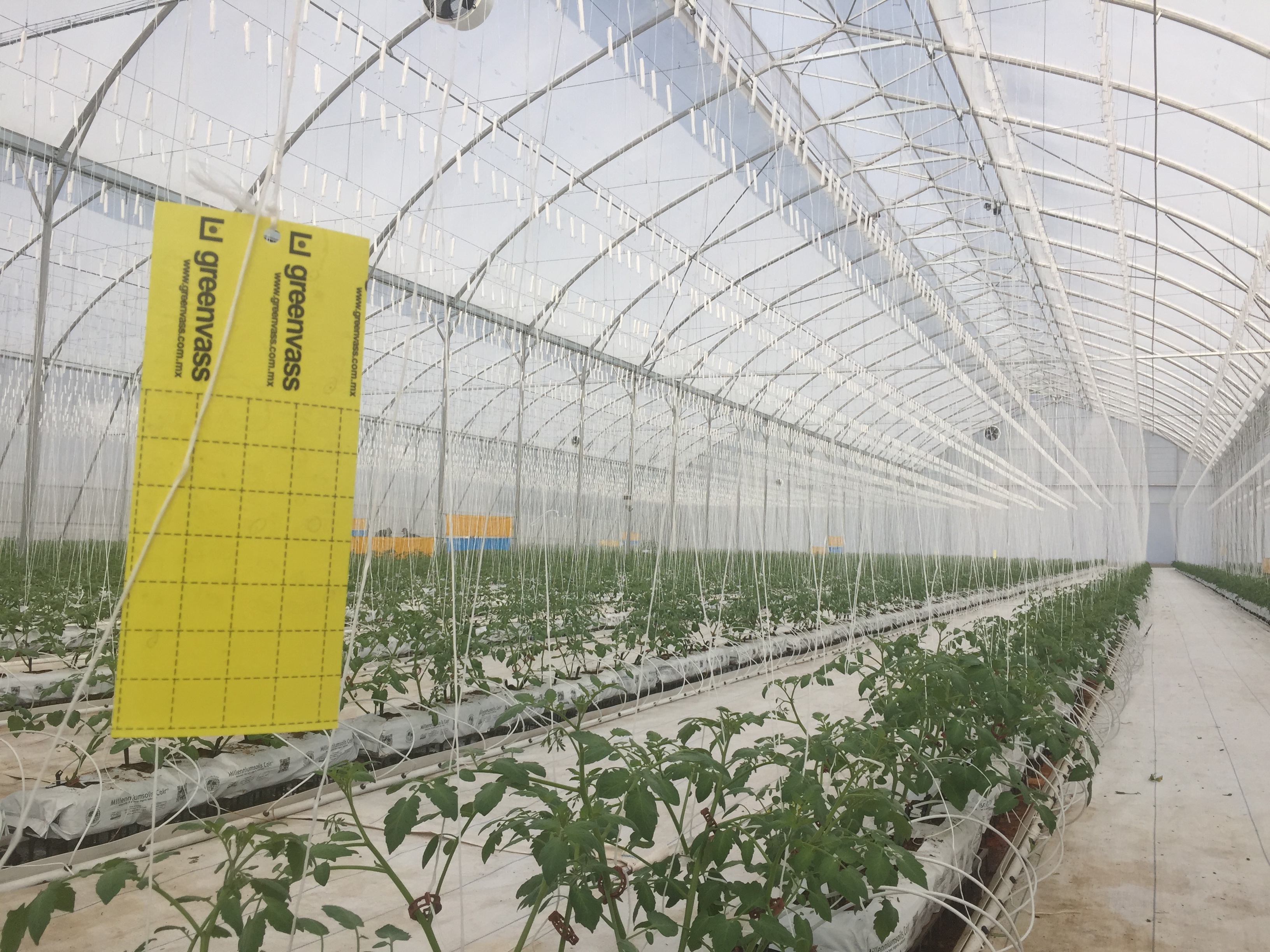
By having the right technology, together with technical and commercial partners, our team can focus on being more productive.

Hortalizas La Gracia makes ventilation-powered gains in cluster tomatoes
-
- Greenhouse:
- Hortalizas La Gracia
-
- Location:
- Puebla, Mexico
-
- Crop:
- Tomatoes
-
- Challenge:
- Extreme heat and dry conditions
-
- Solution:
- Xsect Balance
JANUARY 2019
Hortalizas La Gracia is a tomato producer based in Puebla, Mexico that has focused on improving yields and quality by adopting the right cultivation technologies and climate strategies. In 2016, the operation increased cluster tomato production by 10%, reaching 63 kilograms per square meter, thanks to the right technology and cultivation approach, including Xsect Balance insect control screens to support air exchange and lower temperature stress.
Hortalizas La Gracia was established in 2012 with the goal of building a profitable and productive business that also created jobs in Mexico. The operation markets its cluster tomatoes under the Pure Flavor brand. According to general manager Alejandro Sánchez, having the right technology and commercial partners allowed the team to concentrate on productivity.
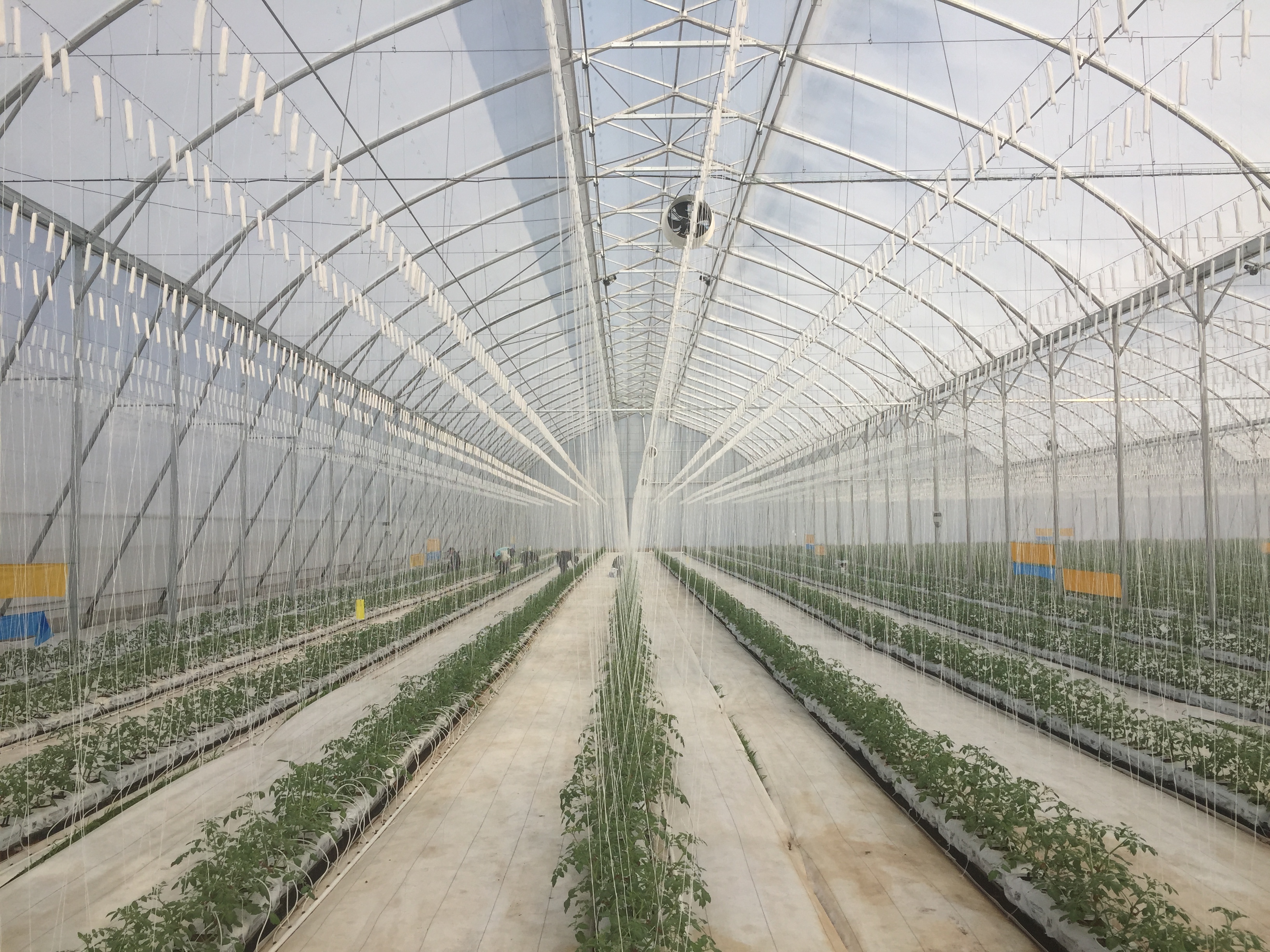
“By having the right technology, together with technical and commercial partners, our team can focus on being more productive.” — Alejandro Sánchez
In 2016, the company brought experienced cluster tomato grower Jessica Villanueva onto the team. Jessica emphasizes that the philosophy of the business is built around the needs of the plant, with each department focused on meeting those needs and continually improving.“Hortalizas La Gracia was born out of the concern of its partners to develop a profitable and productive business that would generate jobs for Mexicans. Our philosophy is based on the needs of the plant.” — Jessica Villanueva
Ventilation makes the difference
The region’s extremely hot and dry climate presented challenges for tomato production, particularly at the beginning and end of the growing cycle. In the first production cycle (2016–2017), Jessica observed significant differences between two greenhouses that were otherwise identical in equipment, crop, density, nutrition, irrigation, and crop management — except for the insect mesh used. One greenhouse had conventional insect mesh, while the other used Svensson Xsect Balance insect control screens.
When comparing the two, the smaller greenhouse with Xsect Balance screens showed higher production. Climate measurements also showed better CO₂ concentration and slightly lower temperature, contributing to reduced stress for the plants during high temperature peaks.
Jessica noted that ventilation was noticeably better in the greenhouse with Xsect Balance and that this resulted in lower relative humidity, which benefited the crop. Due to the regional climate, she also had to open windows fully for much of the cycle to maximize air exchange within the greenhouse.
“It is worth mentioning that you can feel more ventilation in the greenhouse with Xsect Balance, and because of that it is less humid, which is beneficial for the crop. Due to the climate of the region, I have to open the windows 100% for most of the cycle to maximize air renewal inside the greenhouses.” — Jessica Villanueva
Whitefly protection
Burning sugar cane in nearby fields increases whitefly (Bemisia T.) populations — and this pest is particularly resistant to legally permitted greenhouse agrochemicals. In the greenhouse with Xsect Balance, whitefly presence was temporary, while in the greenhouse with conventional insect mesh the pest persisted throughout the cycle and caused significant crop damage.
“I like how the plant behaves throughout the cycle with Xsect Balance, especially during the hottest months, because the plant shows less stress and maintains fruit quality for a longer period.” — Jessica Villanueva