At night in the winter, we closed the two screens together, and the energy savings were up to 60%.
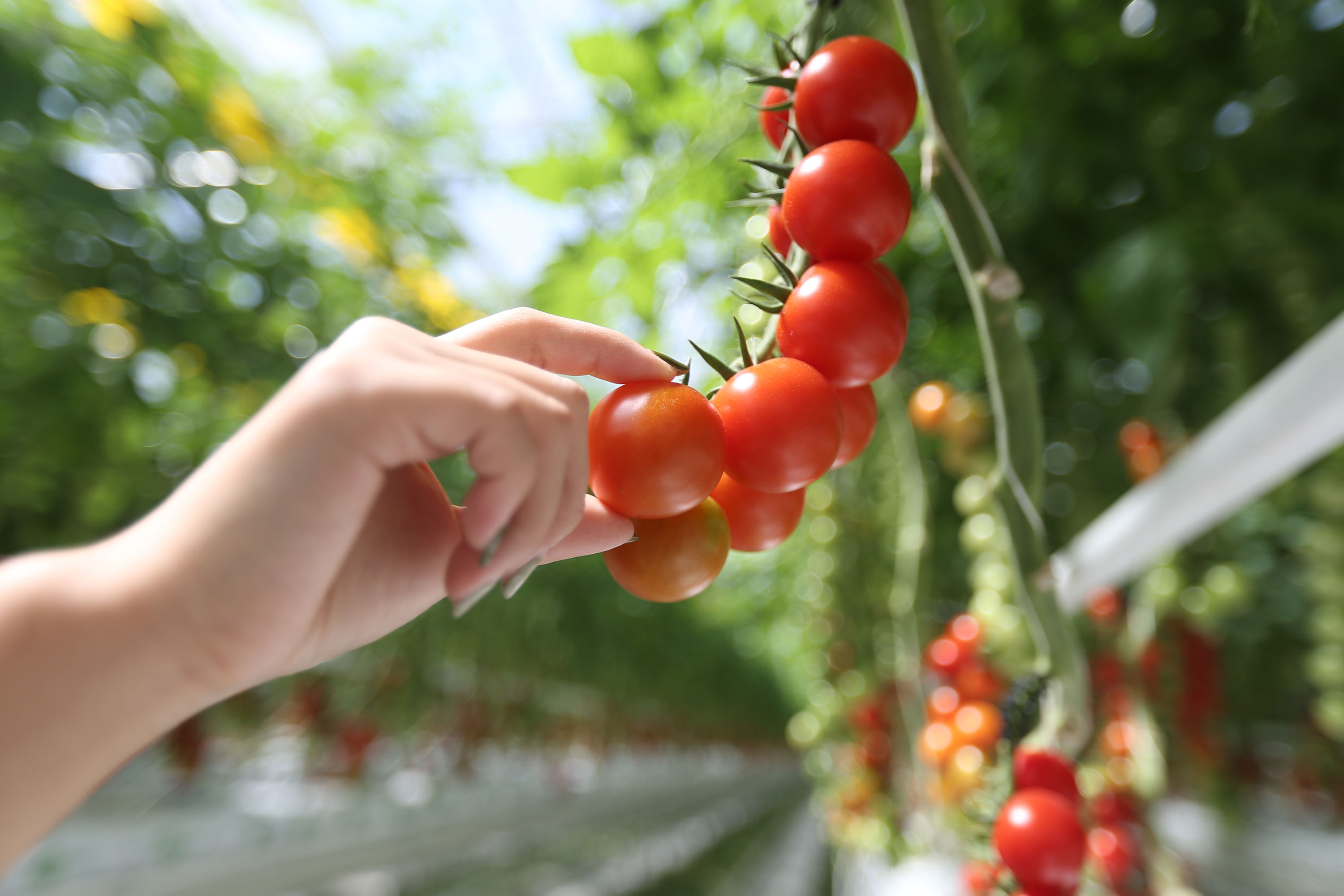
Reducing energy costs is key for vegetable growing in North China
-
- Greenhouse:
- HortiPolaris
-
- Location:
- Beijing, China
-
- Crop:
- Cherry tomatoes, lettuce
-
- Challenge:
- Energy use, shade and light control
-
- Solution:
- Harmony 5747 FR, Obscura 9950 FR W, Luxous 1547 D FR
MAY 2018
HortiPolaris operates a high-tech greenhouse in Miyun, Beijing, China, producing tomatoes and lettuce in a climate that varies from cold winters to intense sun and heat. To manage both climate control and rising energy costs, the team uses advanced Svensson climate screens that improve energy savings and grower performance.
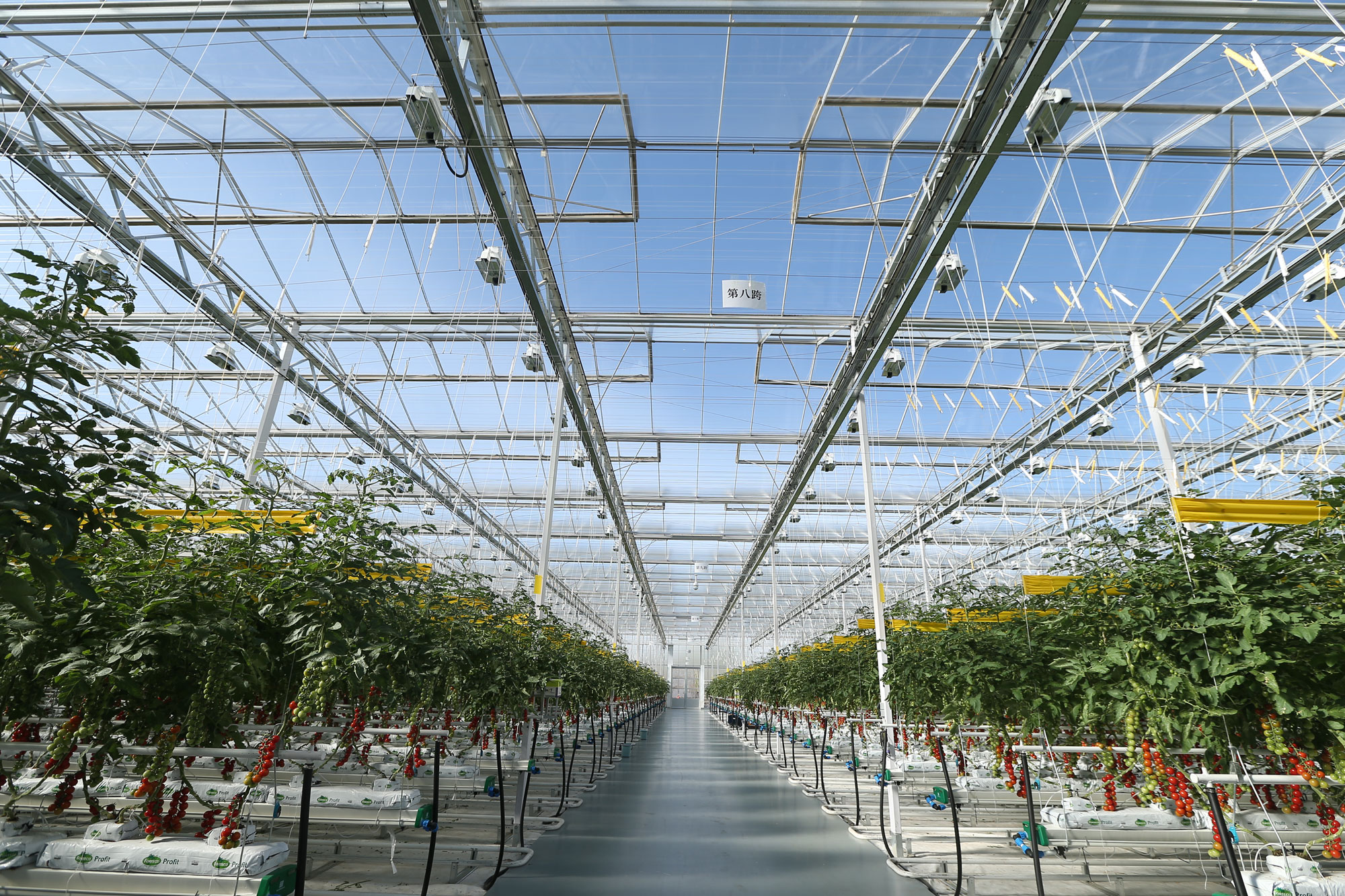
A 3.3-hectare high-tech greenhouse built in January 2018 includes a 2.2-hectare tomato area, 2,000 m² of lettuce production, and 2,000 m² of propagation area. Svensson screens are used to better control the internal climate and save energy costs during cold winters, which has helped the grower achieve target yields and high product quality.
Compared with tomatoes, lettuce crops need more solar protection. The team installed Harmony 5747 FR for shading, light diffusion and energy savings. Harmony diffuses incoming light, spreading it evenly and enhancing cooling effects inside the greenhouse.
By combining proven growing techniques with advanced screening technologies, HortiPolaris can achieve high production volumes, with tomato yields capable of reaching up to 700,000 kg per year and lettuce reaching 700,000 heads annually.
Grower experience with screens
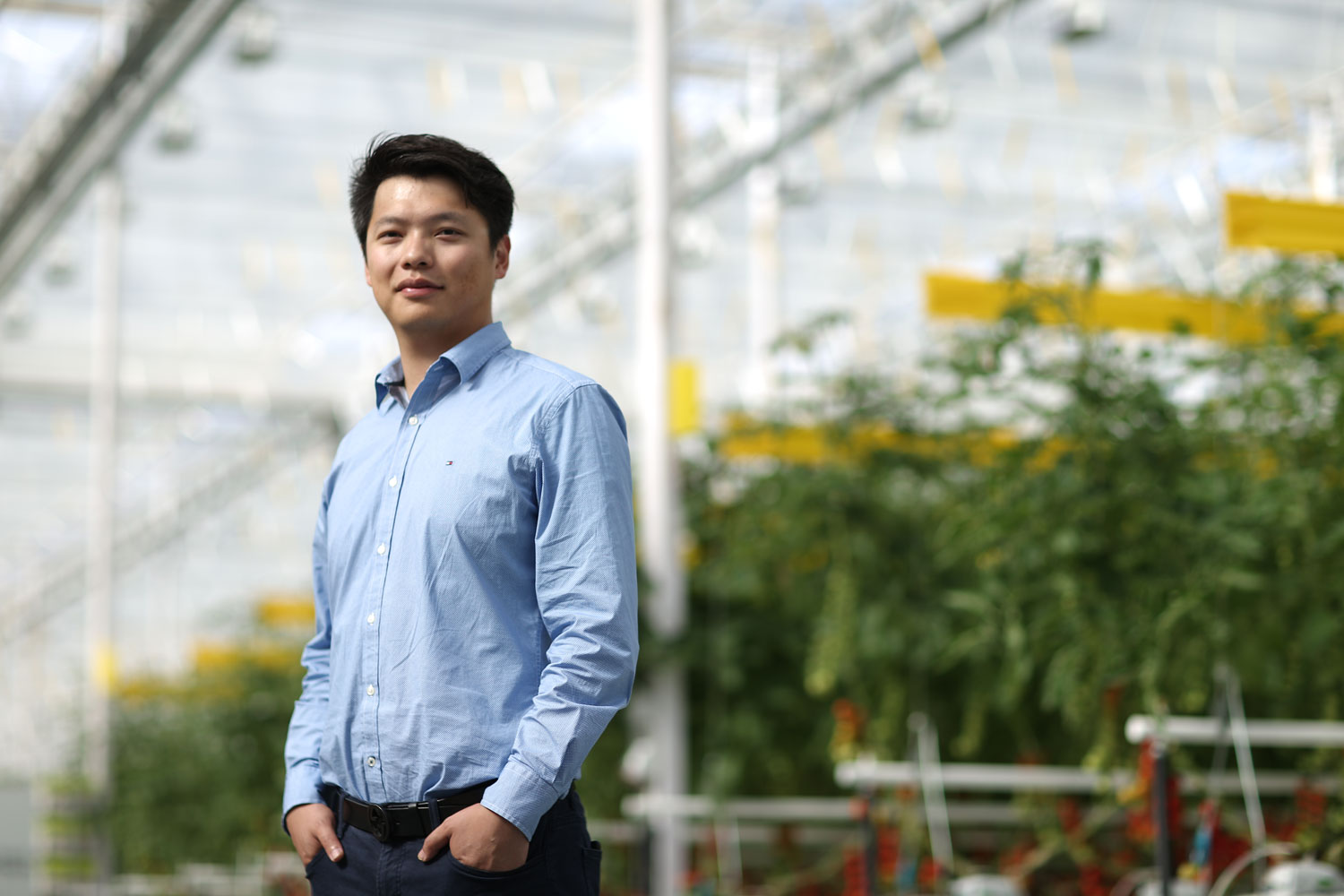
Dan Xu, General Manager of HortiPolaris, explains how the screens have impacted the growing climate:
“It was freezing this year in Beijing, but luckily we were able to use climate screens for heat retention and energy savings. This year has already proved that our choice in selecting our climate screens was the correct one. Due to the light conditions our tomato crop demands, we selected a Luxous 1547 D FR, mainly for the screen’s energy-saving capabilities.
The transparent screen with diffusive properties allows us to prolong the screening hours before sunset and after sunrise without losing valuable light, which ultimately makes the greenhouse climate much more stable.”
Dan also notes that climate conditions can vary significantly in the region. When a sudden hail and temperature drop occurred in spring, the growers used the Luxous screen during the day to maintain internal warmth while maximizing natural light use.
60% energy savings
Energy costs are a major concern for vegetable operations in North China, often representing around one-third of total operational costs. As gas prices increase, growers must focus on efficiency and energy use.
To maximize energy savings in winter, HortiPolaris installed an Obscura 9950 FR W screen as a second layer. When both screens are fully closed at night, energy savings of up to 60% were achieved compared with no screening. The Obscura screen also helps prevent light pollution.
Industry context
Holistic greenhouse energy strategies like this one are increasingly important as growers work to reduce operational costs and improve sustainability. In similar cases, optimizing screen strategies with multiple layers and careful timing has been shown to significantly lower heating fuel consumption during winter months.
Curious what made it all work?