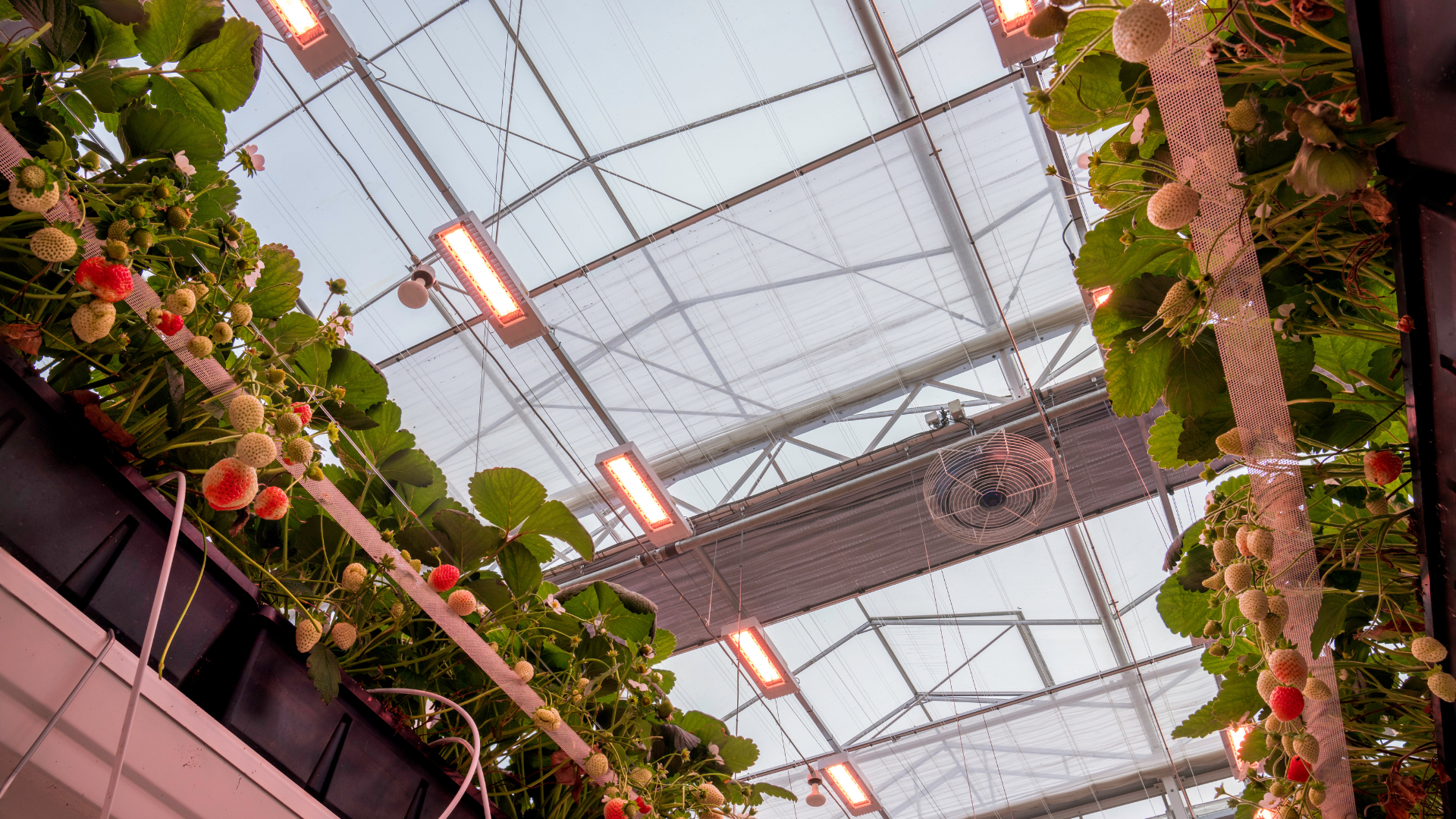
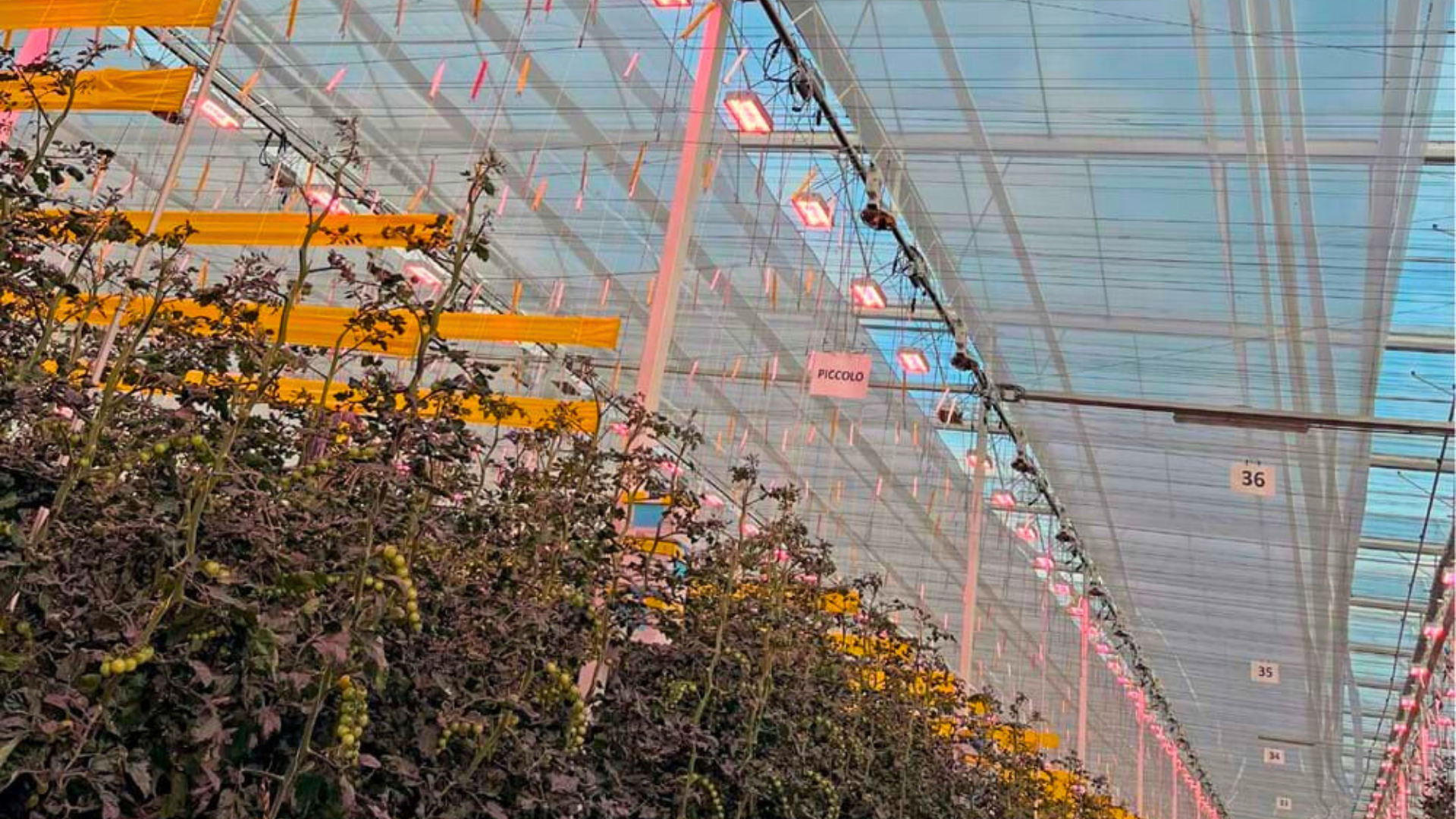
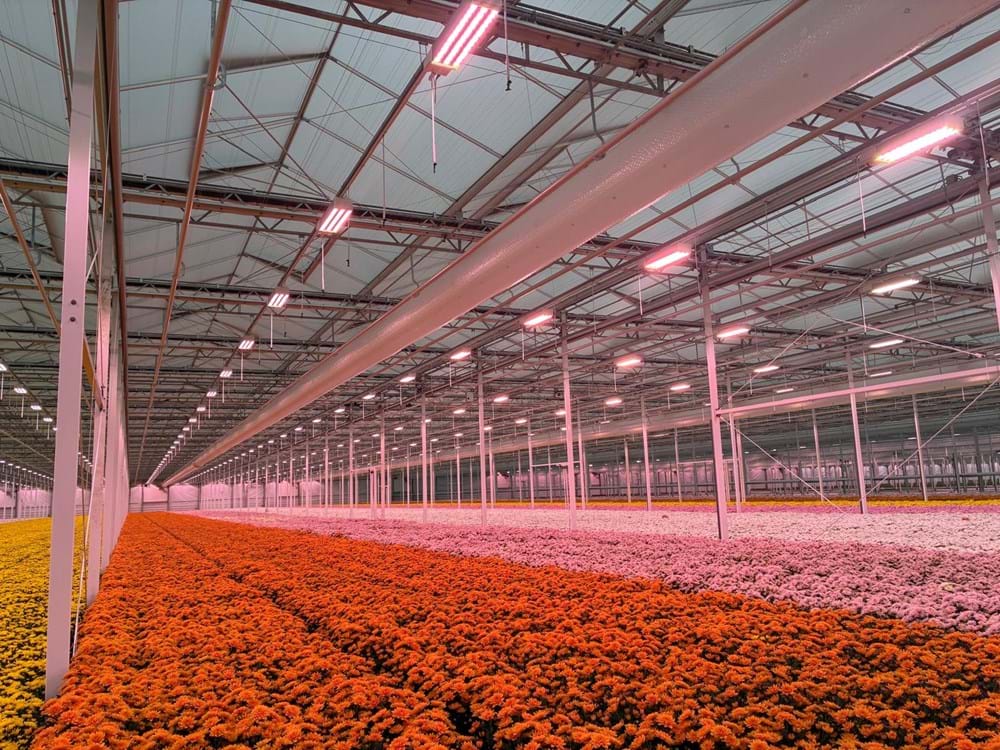
Due to the high energy prices last winter, many growers left their SON-T lighting off or only continued with LED, even if they had a hybrid installation. But LED emits much less radiant heat, which can reduce the heat input in the greenhouse by up to 40 percent. This lower heat input must then be partially compensated by extra heat in the heating pipes. A second energy screen in combination with vertical fans can largely compensate for this, says climate consultant Bart Bakker. "With this you can not only dehumidify, but also create a much more equal and active greenhouse climate, without using a relatively expensive minimum pipe."
The energy transition is in full swing in greenhouse horticulture, driven by volatile energy prices, unpredictable geopolitics and new climate policies. Switching to LED lighting is popular, but not without consequences for the greenhouse climate. “As a result, the heating is often turned up a bit. In the end, you end up with a slightly lower energy consumption on balance, but that heat has to come from somewhere and that also costs money. It is better to think of an additional energy screen. You then have more insulation, but not necessarily more heat in the greenhouse.”
Latent heat
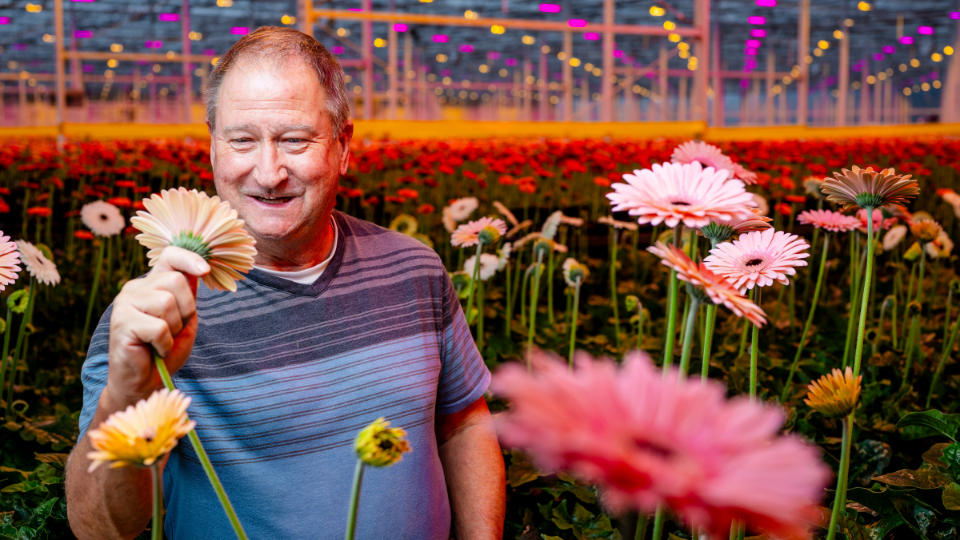
Where the cultivation space is more insulated, but extra moisture is produced by the illuminated crop, there is a need for dehumidification. However, devices that not only dehumidify, but also return the released latent heat to the greenhouse air can consume a lot of power. “That is not all for nothing. If you generate that electricity yourself, you cannot resell it. In a cold period you can usually put the recovered heat to good use, but usually not in the autumn and spring.” He continues: “You see, for example, in gerbera cultivation, where they have been running full-LED for a year now, problems can still arise in the relatively dense leafy crop. Under LED light and a double screen you get stagnant air faster, especially in the microclimate. If you then insert a tube under the crop, this will boost the root pressure too much and you will get a negative spiral, which you actually want to break with the right means. You do want air movement, but not too much root pressure or evaporation, especially at night and early in the morning.”