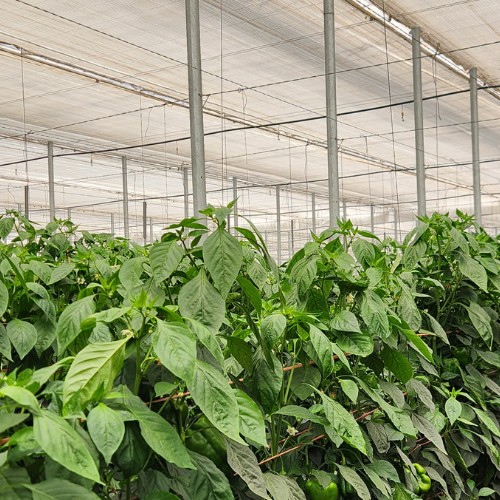
It's been a really good improvement, you can get a higher yield from the crop because with the screen the right amount of radiation enters to reach the plants
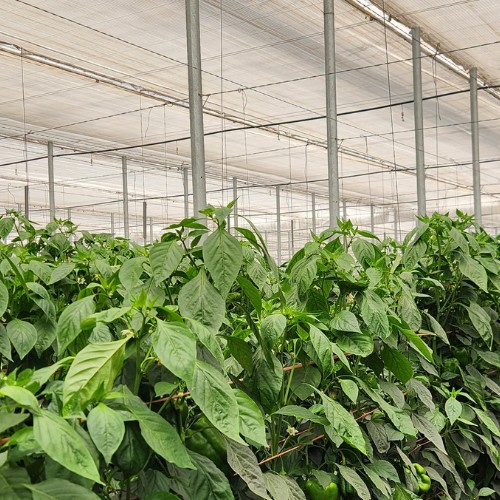
Creating an optimal climate for growing peppers in Almería with Harmony 3845 screen
-
- Greenhouse:
- Enrique Peña
-
- Location:
- Almería, Spain
-
- Crop:
- Peppers
-
- Challenge:
- Light and thermal stress
-
- Solution:
- Harmony 3845
JULY 2024
In Almería, Spain — a region recognized as a pioneer of modern agriculture and home to vast hectares of greenhouses — grower Enrique Peña is tackling the challenges of pepper production with Svensson Climate Solutions. By optimizing the conditions inside his greenhouse, Enrique has opened new possibilities for productivity, crop quality and year-round consistency.
Growing peppers in the “Sea of Plastic”
Located in the southeast of Spain, Almería benefits from a Mediterranean climate that supports one of Europe’s largest vegetable production areas. Its landscape — often called the Sea of Plastic — is dominated by an expanse of greenhouses stretching across the region.
Despite this advantage, Almería faces extreme weather: very high temperatures in summer and cold winters, both of which can disrupt plant growth. Pepper crops are particularly sensitive. Their optimum daytime temperature is 20–30°C, and nighttime should remain between 16–20°C, with ideal humidity levels of 60–70%. Temperatures above this range can reduce yields and affect quality.
When Enrique decided to begin a new pepper cycle this year, he knew meeting market expectations would require a more precise approach to climate management. With a clear focus on improving efficiency and productivity, he turned to Svensson’s Climate Solutions, supported by Nelson Pérez, Climate Consultant and Svensson representative in Spain.
Finding the right climate solution using a radiometer and thermal camera
Before selecting the appropriate climate screen, Nelson carried out a series of tests to understand the exact needs of the crop and the greenhouse.
Using a radiometer, he measured how much solar radiation entered the structure and reached the plants — a crucial factor in pepper development. Controlling radiation with climate screens allows growers to achieve the right balance of light and temperature, preventing stress and helping the crop maintain strong, uniform growth.
Nelson also used a thermal camera to show Enrique the real-time temperature stress the plants were experiencing under excess heat. These insights made the challenge visible and measurable, giving Enrique a clear understanding of how climate conditions were affecting his crop.
Following this analysis, Nelson identified the climate solution that would provide the most balanced and stable environment for optimal pepper growth.
Harmony 3845: a key factor for successful pepper production
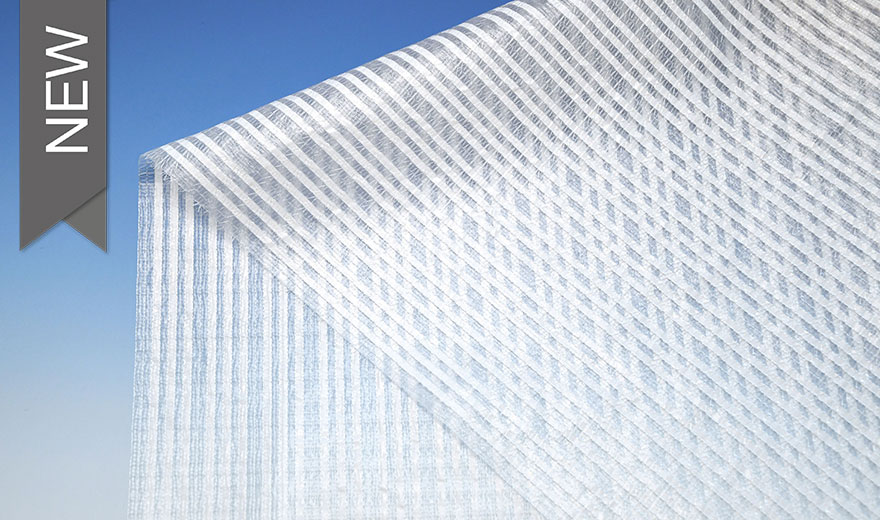
On 2 February 2024, Enrique began his pepper cycle using the Harmony 3845 climate screen. The choice was based on the screen’s ability to diffuse and evenly distribute sunlight throughout the greenhouse, ensuring all plants receive the same light intensity. Harmony 3845 also helps prevent thermal stress — a common issue in Almería’s hot climate.
Since installing the screen, Enrique has been able to maintain more consistent conditions inside the greenhouse. The result: faster, healthier plant development and a noticeable increase in productivity and yield.
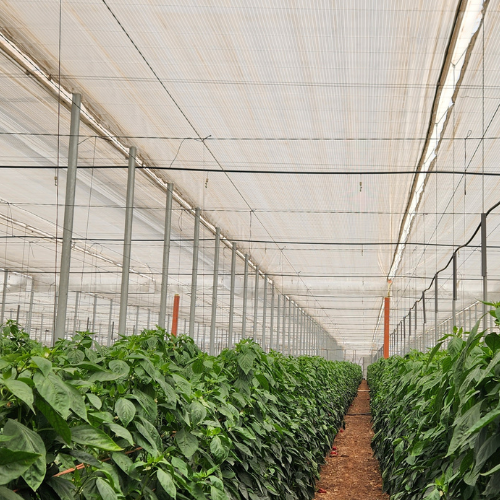
“It’s been a really good improvement. You can get a higher yield from the crop because with the screen the right amount of radiation enters to reach the plants,” says Enrique.
Innovation driving better results for growers in Almería
Enrique’s story highlights how technology and innovation can help overcome the climate challenges faced by growers in Almería. With the guidance of Svensson’s Climate Solutions and the expertise of Nelson Pérez, he has created an environment that supports stronger, more resilient pepper crops — achieving exceptional quality and productivity.
His success serves as an example for other growers across the region who are seeking to elevate their greenhouse performance.