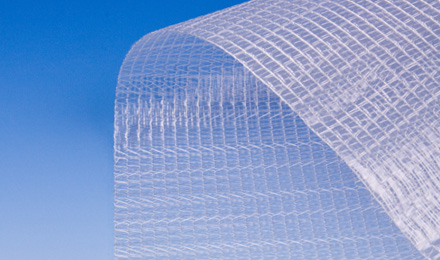
I am very satisfied with this type of climate screen, it works ideally. It doesn’t get dirty quickly. Thanks to the yarn in the screen, it breathes well and doesn’t become damp.
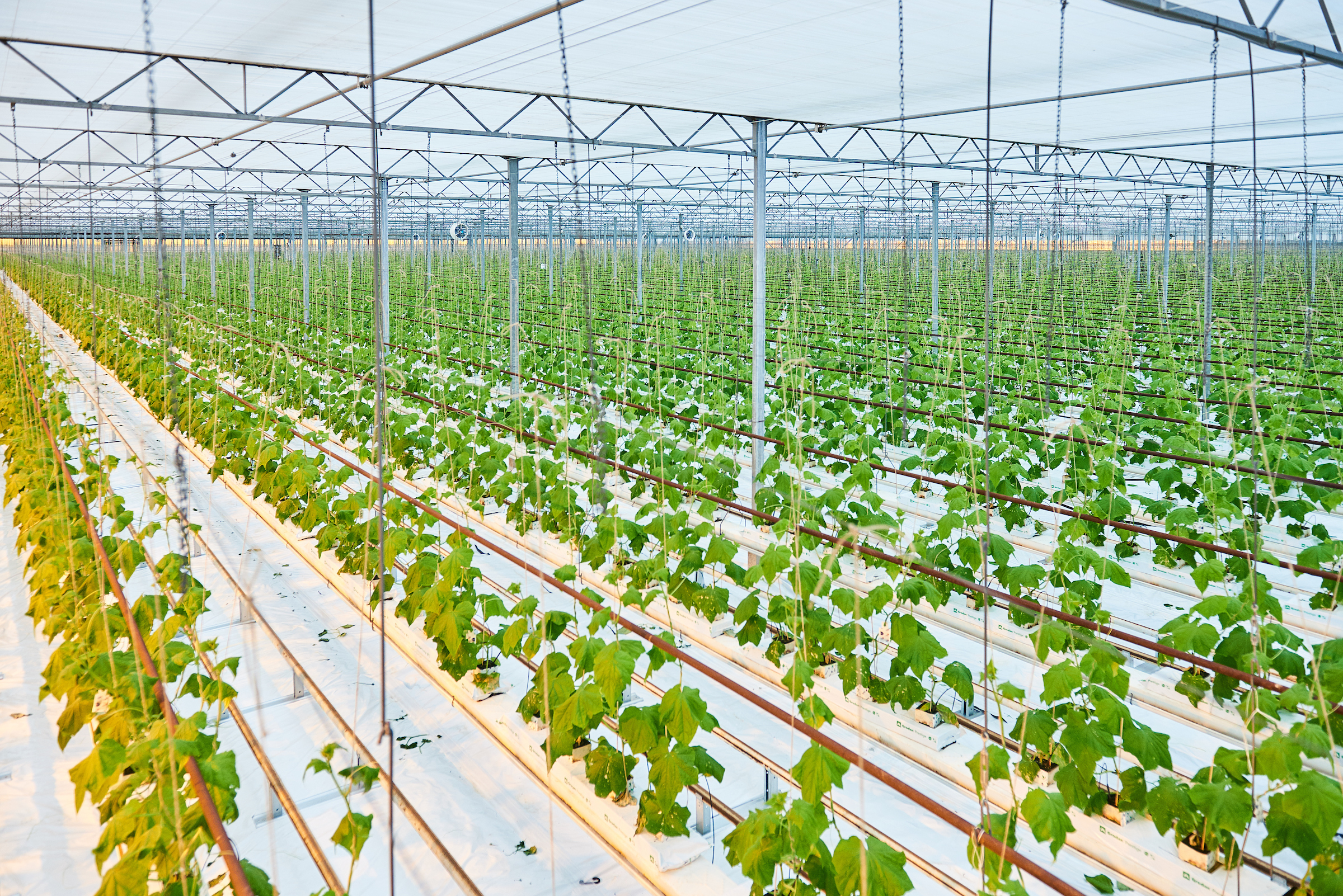
"You notice it in the light" – Drenthe growers replace climate screens
-
- Greenhouse:
- Drenthe Growers
-
- Location:
- Erica, the Netherlands
-
- Crop:
- Cucumber
-
- Challenge:
- Light and energy
-
- Solution:
- Luxous 1547 D FR
JUNE 2021
Cucumber grower Koos de Vries did not hesitate for a moment about the type of climate screen to install. He was highly satisfied with the Luxous 1547 D FR and replaced the old screen with the same model. SchermNed carried out the installation across 5.5 hectares. With the results meeting expectations, a follow-up request for an additional 3.5 hectares of replacement is already planned.
Due to normal wear and soiling, the original Luxous 1547 D FR climate screen was ready for replacement. “I am very satisfied with this type of climate screen, it works ideally. It doesn’t get dirty quickly. Thanks to the yarn in the screen, it breathes well and doesn’t become damp,” Koos explains.
Light transmission and diffusion were also decisive factors for his cucumber cultivation. “For us, the screen is either open or closed. In winter, you want as much light as possible. In summer, the screens are closed more often to protect the plants from too much and too intense sunlight. We also screen a lot in spring. Then it is pleasant that the diffuse light spreads well.”
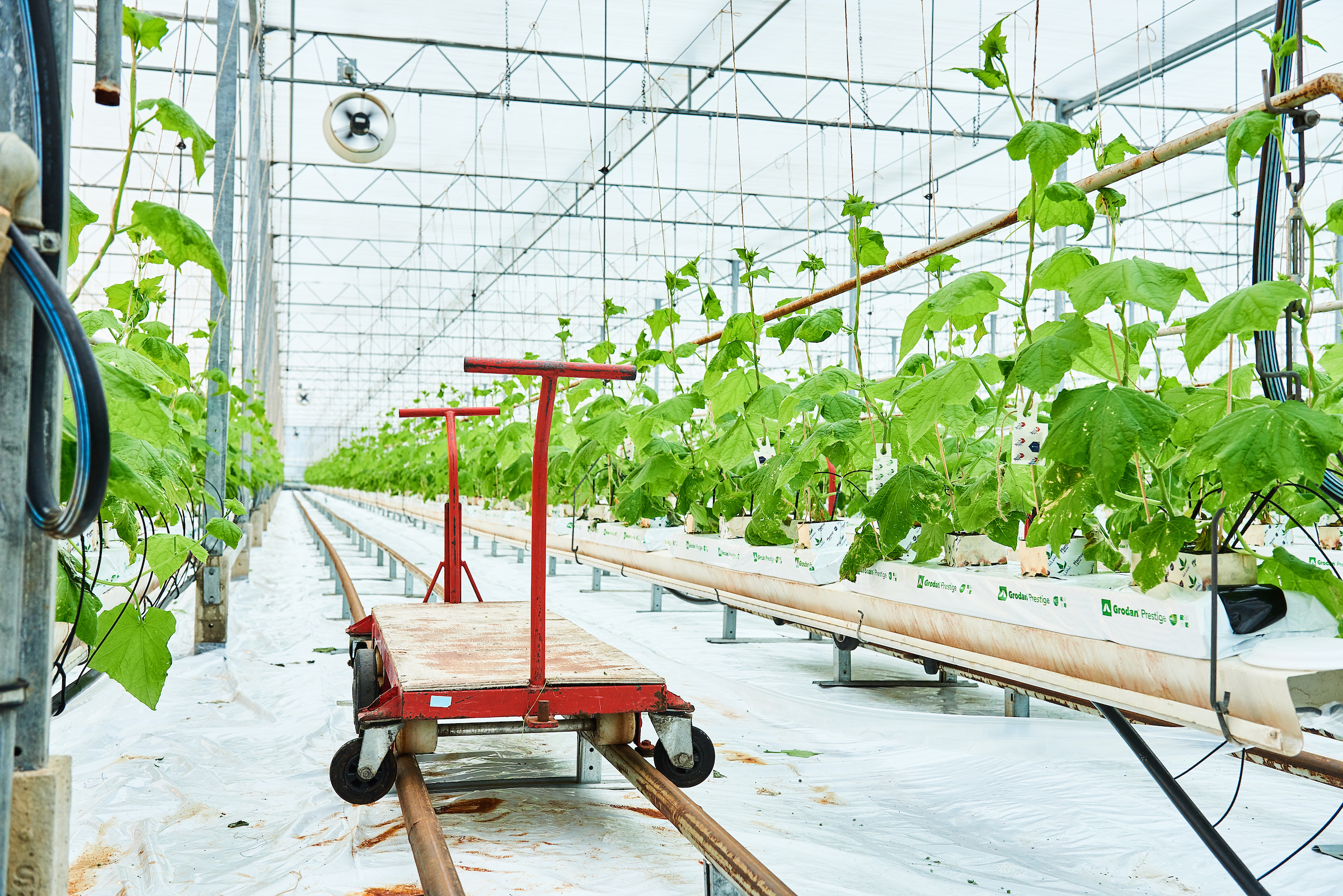
The previous climate screen was around eight years old. How did Koos know it was time to replace it? “A matter of feeling and experience. You notice it in the light.”
SchermNed carried out the installation during the crop changeover last autumn. “Koos already knew exactly what he wanted, so we mainly just had to carry out the installation. That went very smoothly. The follow-up assignment is another 3.5 hectares of climate screen replacement,” says Carl Stougie, sales manager for screen installations.
When is a climate screen due for replacement?
Koos used the previous climate screen for about eight years. But how does a grower know when it is time to replace a screen? And what is the ideal timing? Leon Strik, account manager at Svensson Netherlands, explains that this strongly depends on the crop and how intensively the screen is used.
“The rule of thumb is that a climate screen transmits about 1 percent less light per year due to soiling. So each year the screen becomes 1 percent less light-transmitting. This is naturally most disadvantageous for transparent screens, especially for growers who want as much light as possible in their greenhouse.”
In addition to soiling, climate screens also experience wear. “Wear occurs through use. The more often you open and close the climate screen, sometimes several times a day, the faster it wears. The result is that the screen becomes more porous, causing heat to be lost through the greenhouse roof. That means you save less energy.”
“A grower decides how much light loss is acceptable”
As a climate screen is used over a longer period, it transmits less light and loses more heat. So when is the right moment to replace it? “That differs per grower. Each grower must decide how much light and heat loss they find acceptable. That also depends on the business results. Replacing a climate screen is a significant investment. Some growers replace after five years because they already reach the point where the light gain outweighs the investment. For other growers, that tipping point comes later.”
In short, there is no fixed moment at which a climate screen must be replaced. One thing is clear: the production of light-sensitive crops decreases when light levels drop. “In vegetable cultivation, we use the rule of thumb that 1 percent less light means 1 percent less production. If you want to be certain, we can measure light transmission and intensity using sensors in the greenhouse and at PAR level.”
Personal advice
Need advice on replacing your climate screen? Account manager Leon Strik and his colleagues at Svensson are happy to think along with you. From around six years of use, regular light measurements are recommended to help determine whether a screen is due for replacement. Svensson can also support you with these measurements. Contact your regular consultant or get in touch with us for advice.