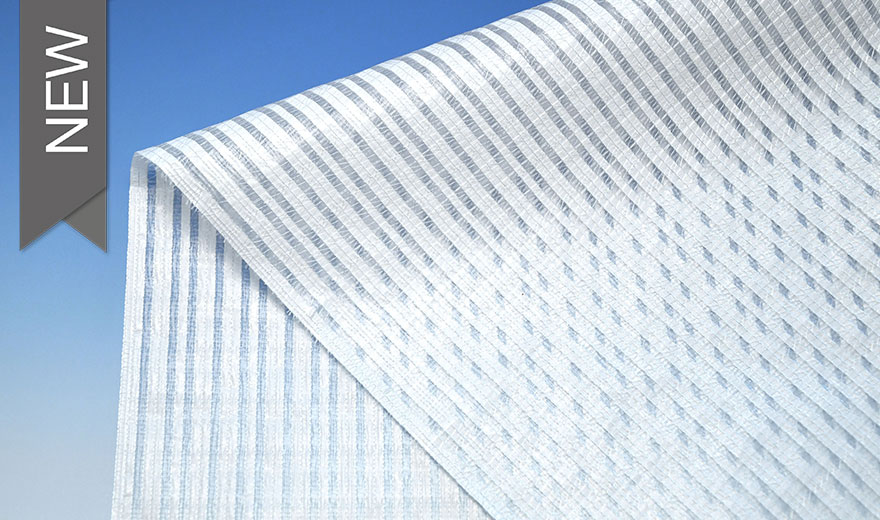
In March, we started to shade with Luxous, which has a lower shading value. Following the rise of light levels, we combined different percentages of closure of the two-layer screens for shading flexibly and to prevent light loss

Creating an intelligent plastic greenhouse for climate resilience
-
- Grower:
- Wu Qian
-
- Location:
- Yunnan, China
-
- Crop:
- Cut roses
-
- Challenge:
- Highly variable local climate
-
- Solution:
- Luxous 1547 D FR, Harmony 4945
APRIL 2019
An intelligent plastic greenhouse project built by Breasion began production in March 2019 in Malong, Yunnan. The 2-hectare facility is a modern nursery equipped with heating, irrigation and climate screen systems that are automatically controlled to support the cultivation of cut roses.
Wu Qian, the greenhouse owner, came to horticulture from the finance industry. He has built hands-on experience by analysing climate and light data and learning how climate tools influence plant performance.
The problem: variable climate challenges in Yunnan
The climate in Yunnan presents several challenges for rose production. Winter snow has become more frequent in the northern part of the region, putting stress on non-heated plastic greenhouses. Solar radiation is abundant, and if temperature and humidity are managed well in winter, light levels can be ideal for roses.
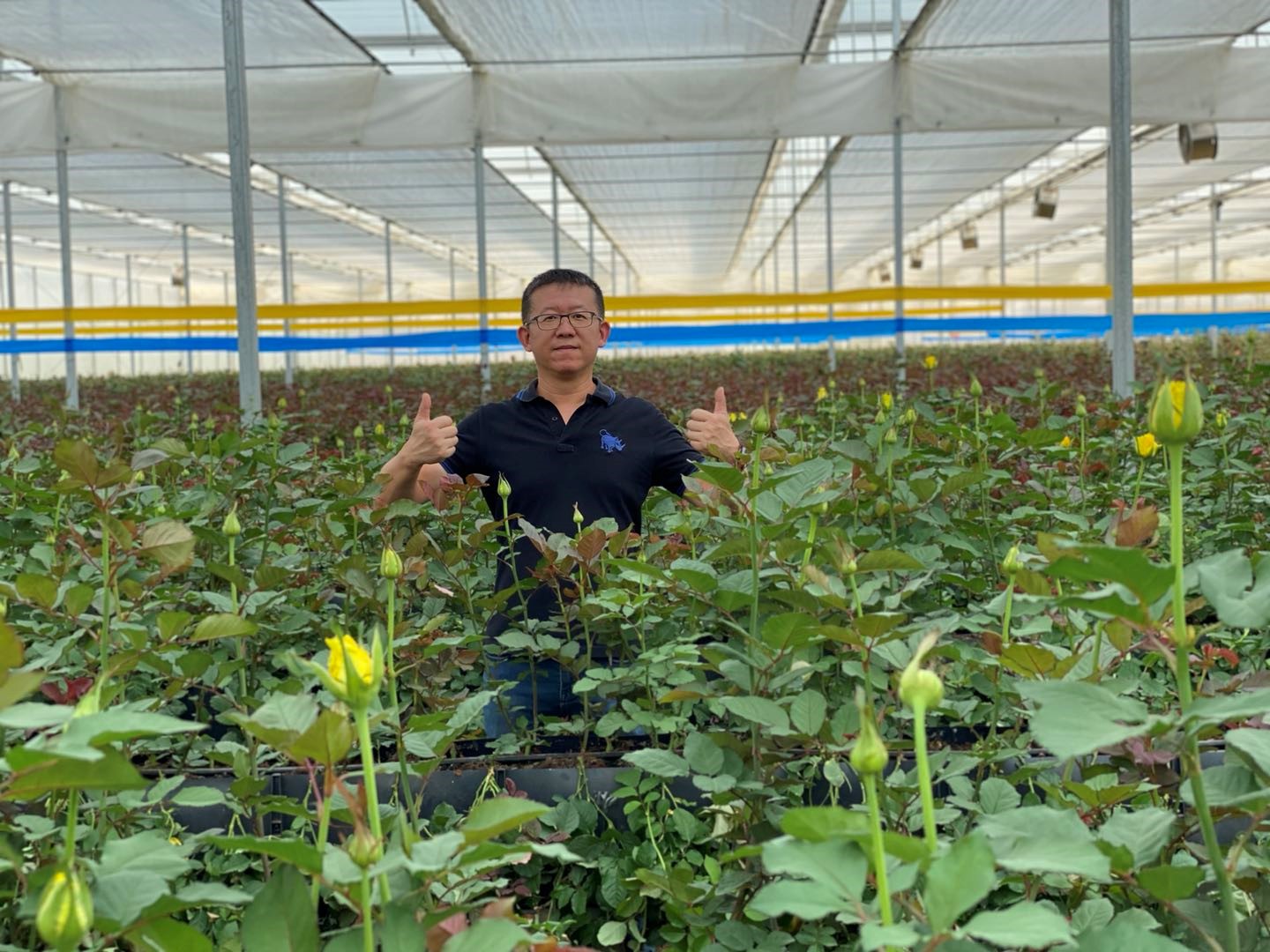
However, in spring and early summer, daily maximum light intensity can exceed 850–900 W/m², potentially affecting crop quality. At the same time, without active cooling in May, temperatures can peak above 30 °C at midday while relative humidity drops below 40 percent, causing plant stress.
The solution: screen technology and data monitoring
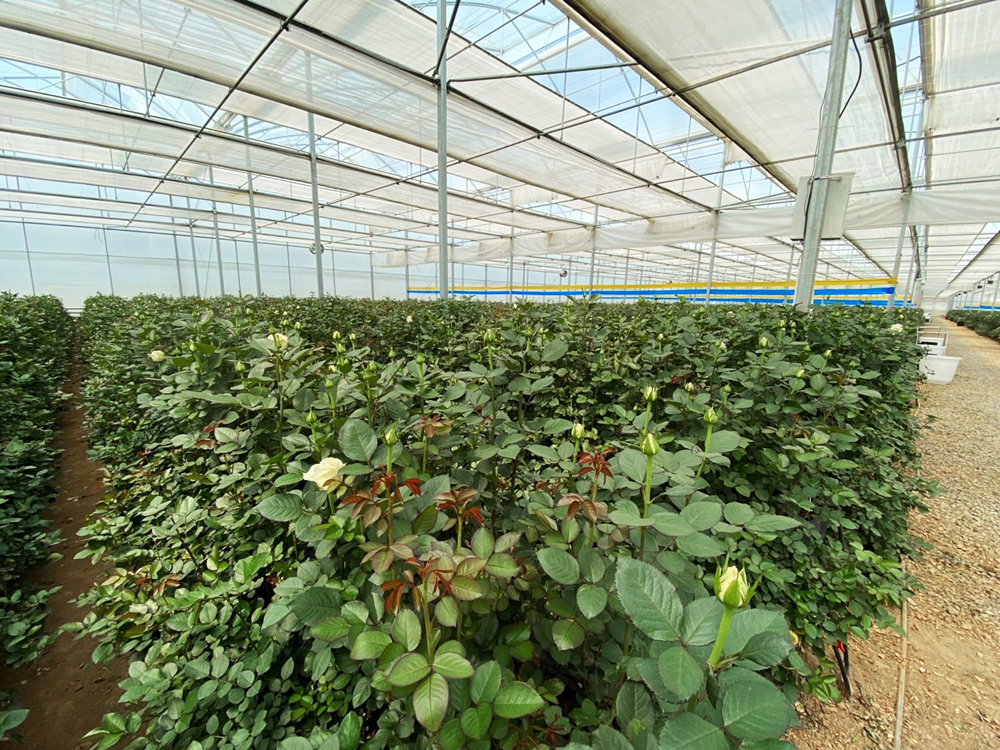
To balance energy savings, shading and climate control, two layers of Svensson climate screens were installed after a climate consultation tailored to the specific greenhouse conditions. A PAR sensor and an outside radiation meter were added so that actual light levels reaching the crop could be measured and accumulated over time.
Using these data points, Qian and his consultant were able to adjust screening strategies throughout the season. In March, they began shading with a screen that has a lower shading value, then combined different closure percentages of the two-layer screen system to respond to rising light levels and minimize light loss.
The result: better climate balance and plant performance
With the Harmony screen in place, greenhouse temperatures became more stable and relative humidity did not fall as sharply during periods of strong light. Soft, homogeneous light helped improve plant quality and yield.
The thermal screen helped retain solar energy for higher temperatures, and two thermal screens could be closed on winter nights to save heating energy. The Luxous screen could also be closed during cold but bright winter days due to its high light transmission.
By combining data analysis with an understanding of crop needs, Qian was able to identify problems and adjust screening strategies and ventilation to support optimal growing conditions.
Curious what made it all work?