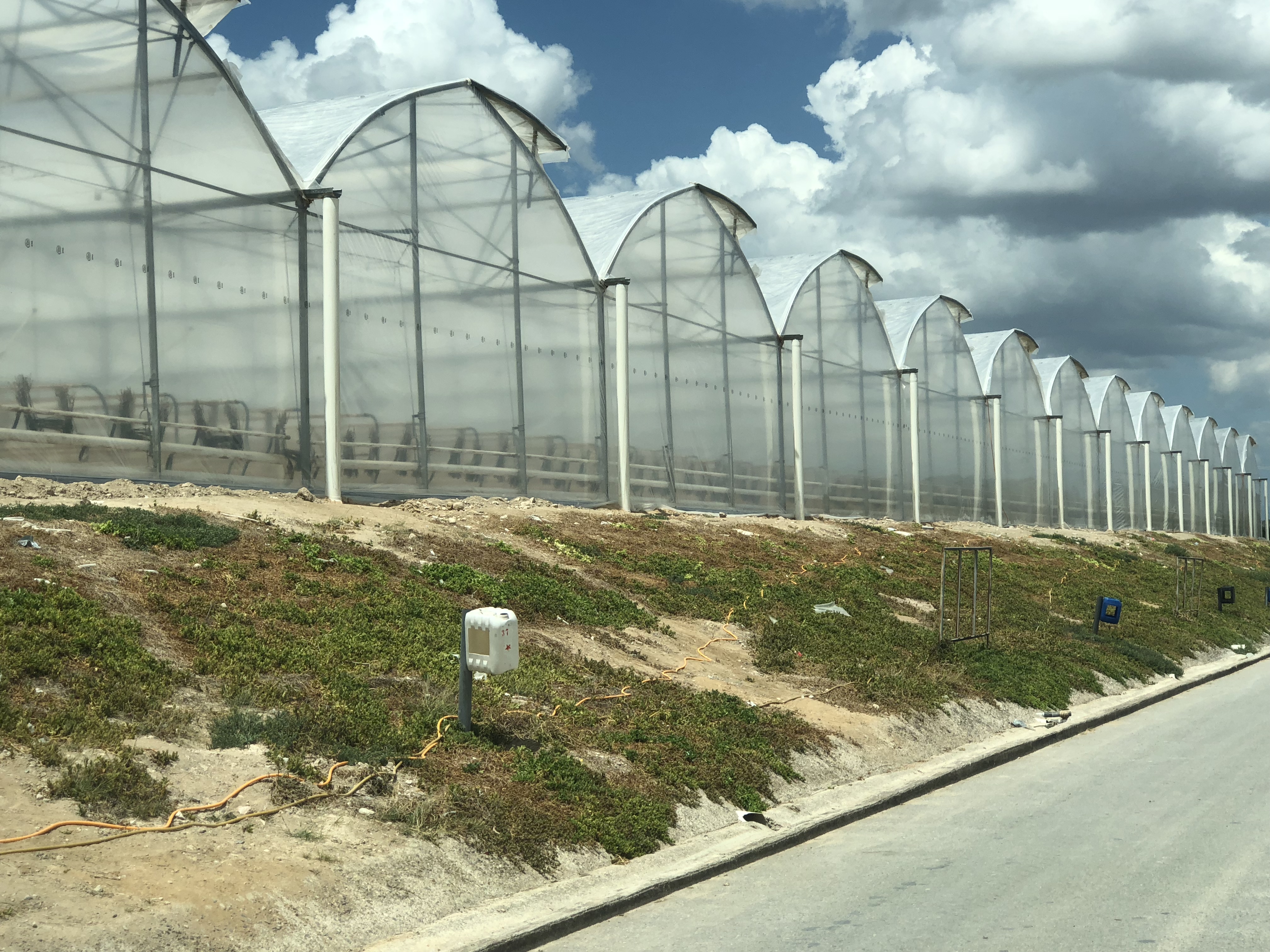
Better technologies provide whitefly pest control

-
- Greenhouse:
- Eco Agri Tec/NatureSweet
-
- Location:
- San Luis Potosi, Mexico
-
- Crop:
- Tomato
-
- Challenge:
- Heat, humidity, whitefly pressure
-
- Solution:
- Xsect Balance insect net
APRIL 2019
In the state of Colima, Mexico, greenhouse tomato producer NatureSweet Tomatoes is using advanced cultivation technologies to improve pest control and overall production performance. In regions with high heat and humidity, whitefly (Bemisia tabaci) pressure can be a major challenge for growers. NatureSweet has adopted high-porosity insect control screens as part of its climate strategy to reduce whitefly pressure while maintaining good ventilation and plant performance.
This testimonial outlines NatureSweet’s experience comparing conventional insect mesh with Xsect Balance high-porosity insect screens and the resulting improvements in greenhouse conditions and crop outcomes.
The region where NatureSweet’s Colima operation is located features warm, humid conditions for much of the year, with temperatures often exceeding 35°C and daily relative humidity frequently above 70%. These conditions create an environment where insect pests like whitefly can thrive and negatively affect plant performance. Growers like NatureSweet must find solutions that balance insect exclusion with sufficient airflow.
“Whitefly is one of the main limiting factors for our production. It affects plant performance and even reduces photosynthesis. We had to think about how we could exclude insects without sacrificing ventilation,” says Manuel Matías, General Manager of NatureSweet’s Colima operation.
Comparing insect control screens
NatureSweet compared two greenhouses that were otherwise identical in design, crop management, and climate conditions. One greenhouse used conventional insect mesh, while the other was fitted with Svensson Xsect Balance high-porosity insect control screens, which are engineered to provide improved ventilation while still excluding pests.
“We immediately noticed that ventilation was much better with Xsect Balance,” says Miguel Vega, a grower at NatureSweet. “The temperature difference was clear, and airflow inside the greenhouse was far superior to the conventional mesh we used before. Even plants in the center of the greenhouse benefited from better circulation.”
According to the team, better ventilation helped reduce internal humidity peaks and improved the climate near the plant canopy. This created conditions less favorable for pests while maintaining a comfortable environment for the tomato plants.
Production results
With the high-porosity screens in place, NatureSweet saw improvements in physiological climate conditions and pest control outcomes. The greenhouse with Xsect Balance screens achieved:
More uniform ventilation throughout the growing area
Lower internal temperature and humidity spikes
Better whitefly control compared with the greenhouse using conventional mesh
These results contributed to improved plant health and more stable production performance.
“Our goal is to include technologies with a return on investment in less than two years. Xsect Balance achieved this objective because it improved climate conditions and pest pressure at the same time,” the team concludes.