We saw an overly generative plant due to excessive water stress, deficiencies in pollination and higher rate of reproduction of pests and diseases. This situation kept us from achieving a good balance during the cycle.
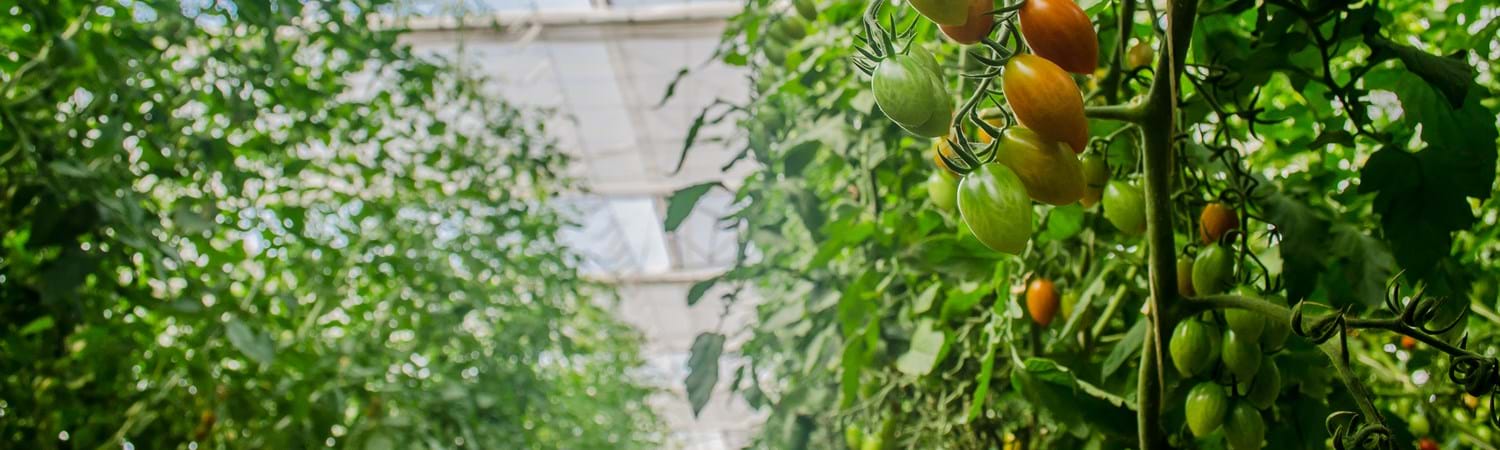
At NatureSweet anti-thrips insect net provides essential protection
-
- Greenhouse:
- NatureSweet
-
- Location:
- Jalisco, Mexico
-
- Crop:
- Cherry tomatoes
-
- Challenge:
- Insufficient ventilation
-
- Solution:
- Xsect Balance
MARCH 2019
NatureSweet is a leading producer of specialty tomatoes for export markets, with more than 500 productive hectares operating in Mexico and Arizona, USA. The company is known for delivering premium tomatoes with consistent quality, making optimal growing conditions essential for every production cycle.
Five years ago, the production site in Tuxcacuesco, Jalisco became a pioneer in implementing the high-porosity anti-thrip screen Xsect Balance. The goal was to increase greenhouse ventilation without compromising insect protection.
"Everything started 5 cycles ago, as part of a search for a solution to the problems we faced in some of our greenhouses due to ventilation deficiency. This caused an excessive temperature increase, humidity problems, lower rate of CO₂ renewal and, consequently, negative effects on the crop. We saw an overly generative plant due to excessive water stress, deficiencies in pollination and higher rate of reproduction of pests and diseases. This situation kept us from achieving a good balance during the cycle,” says Omar Granados, General Manager of the operation.

In passive greenhouse systems, internal climate conditions are directly influenced by the external environment. Therefore, selecting the right insect screen requires careful evaluation of both pest exclusion requirements and ventilation capacity.
The first monitoring phase compared the greenhouse against its historical production curve, which had consistently fallen below plan. With Xsect Balance as the only change in the test area, measurable improvements were observed.
Temperature was reduced by 3–4°C while maintaining effective protection against whitefly (Bemisia tabaci) and other pests. The greenhouse climate became more uniform, and in certain periods, lateral ventilation even had to be partially reduced with plastic to prevent excessive drying of the first crop rows.
During the following production cycle, screen replacements were optimized to further improve ventilation performance using Xsect Balance.
Today, after completing the fifth production cycle, the greenhouse is performing approximately 20% above its historical production curve.