You installed LEDs expecting better efficiency, more control, and stronger crop performance. The light looks right. The system is running. But something in the greenhouse feels different.
Growers across crops describe the same experience after switching from HPS to LEDs. The climate is different. The crop responds differently. Conditions may look stable on the climate computer, but the plant is telling a different story.
You are not imagining it. LEDs do not just change light levels. They change how climate behaves.
How the climate changes with LEDs
LED lighting is significantly more efficient than HPS. More of the electrical energy is converted into photosynthetic light, and much less is released as heat.
Under HPS systems, that heat plays a major role. Radiant heat warms the crop directly and contributes to natural air movement throughout the greenhouse. When LEDs replace HPS, that heat is no longer entering the climate in the same way.
This changes the overall heat balance of the greenhouse. Even if temperature setpoints stay the same, the way heat is distributed and experienced by the plant is different.
That difference is where many of the challenges growers experience after installation begin.
Where did the heat go?
One of the first changes growers notice is that the crop feels cooler, especially at the top of the plant.
LEDs deliver light more efficiently, with less energy released as heat than HPS fixtures. As a result, canopy temperature may be lower even when air temperature remains stable. This gives growers greater control over the crop environment, but it also means plant temperatures can differ from air sensor readings and should be managed accordingly.
If this sounds familiar, many of these symptoms are detailed in the LED Climate Problem Solver, which connects what you are seeing in the crop to what is happening in the climate system.
Why humidity feels harder to manage
Humidity behavior also changes under LEDs, and not always in obvious ways.
With less heat entering the greenhouse and less natural air movement, moisture does not move as freely. Humidity can remain close to the plant, especially when airflow is limited. What is often described as “humidity spikes” is more accurately a lack of air exchange through the crop.
At night, the situation becomes more sensitive. Without heat input from lighting, it is more important to use heat pipes in a different way to maintain the right balance between temperature and moisture. . Small changes can lead to condensation, particularly when plant temperature approaches the dew point.
It is important to distinguish where condensation forms. Moisture on the roof or structure is typically expected. Moisture on the crop is a sign that climate balance needs adjustment.
Using airflow to move heat back into the crop
Under HPS, radiant heat helped drive natural convection. Warm air rises and circulates, helping distribute heat and moisture. Under LEDs, that natural movement is reduced, and airflow needs to take a more active role.
It is no longer enough to move air above the crop only. Air needs to move through the canopy where the plant actually interacts with its environment. This is where the difference between horizontal air mixing and vertical airflow becomes important.
Vertical airflow systems, such as Svensson’s ClimaFlow, move air from above the screen, or from the top of the greenhouse in systems without jets, down into the crop, actively delivering warmer, drier air into the canopy rather than relying on passive movement. As a result, airflow helps:
Maintain more consistent plant temperature
Prevent humidity from building up around the leaves
Improve CO₂ distribution by breaking the leaf boundary layer
Under LEDs, airflow becomes a key driver of an “active climate,” where the plant is consistently transpiring and responding to its environment. Without it, even well‑set temperature or CO₂ levels may not translate into crop performance.
The role of screens in restoring climate balance
A second screen, added to reduce heat loss and improve energy savings, plays a much broader role under LEDs than it did under HPS.
With less radiant heat entering the greenhouse, heat loss becomes more significant. A single blackout screen is often not enough to manage both light and climate. A double screen setup allows growers to separate these functions, using one for light control and a transparent energy screen to retain heat and support canopy temperature.
This added insulation helps reduce heat loss and maintain a more stable climate, especially on extremely cold days when the blackout screen must be opened, allowing the second screen to stay closed to retain heat and reduce reliance on pipe heat.
However, retaining heat also means moisture can build up if air is not moving effectively. This is where airflow becomes critical. Pairing double screens with vertical airflow, such as ClimaFlow, helps move warmer, drier air from above the screens and around the LEDs down into the crop, redistributing available heat instead of allowing it to rise and be lost, while supporting both temperature uniformity and moisture removal.
Under LEDs, screens and airflow are most effective when working together to stabilize climate and support consistent crop activity.
Why old climate strategies stop working
One of the biggest opportunities with LED lighting is the ability to manage crop temperature more precisely using the heating and curtain systems. However, this often requires a different growing strategy. Maintaining the same air temperature does not mean the crop is experiencing the same conditions. Instead of relying on radiant heat from HPS fixtures, growers can use pipe heat and climate control technology (curtains, screens, and ClimaFlow systems) to create the desired crop environment with greater precision and energy efficiency.
If you are working through these issues, the LED Climate Problem Solver can help identify where to focus first and what is most likely driving what you are seeing.
For growers planning future changes, this is where preparation makes the biggest difference. The LED Transition Checklist for Climate outlines the key considerations before LEDs are installed, when adjustments are easier to make.
Aligning the climate to improve performance
Adapting to LEDs is not about recreating HPS conditions. It starts with understanding how the greenhouse behaves differently and adjusting the system to match.
Most challenges following an LED conversion can be traced back to changes in radiation levels, plant temperature, and airflow. Once these factors are understood, growers can focus on the adjustments that have the greatest impact on crop performance.
As greenhouse systems evolve, climate management plays an increasingly important role in creating stable growing conditions. Climate screens, airflow strategies, heating, and lighting each influence how the crop experiences its environment. When these systems work together, growers gain greater control over plant activity, energy use, and crop consistency.
For growers early in the transition, stepping back and reviewing overall system readiness can help make for a seamless transition. The LED Transition Checklist for Climate provides a practical checklist that allows growers to go through their climate step by step in preparation for the changes that come with switching to LEDs.
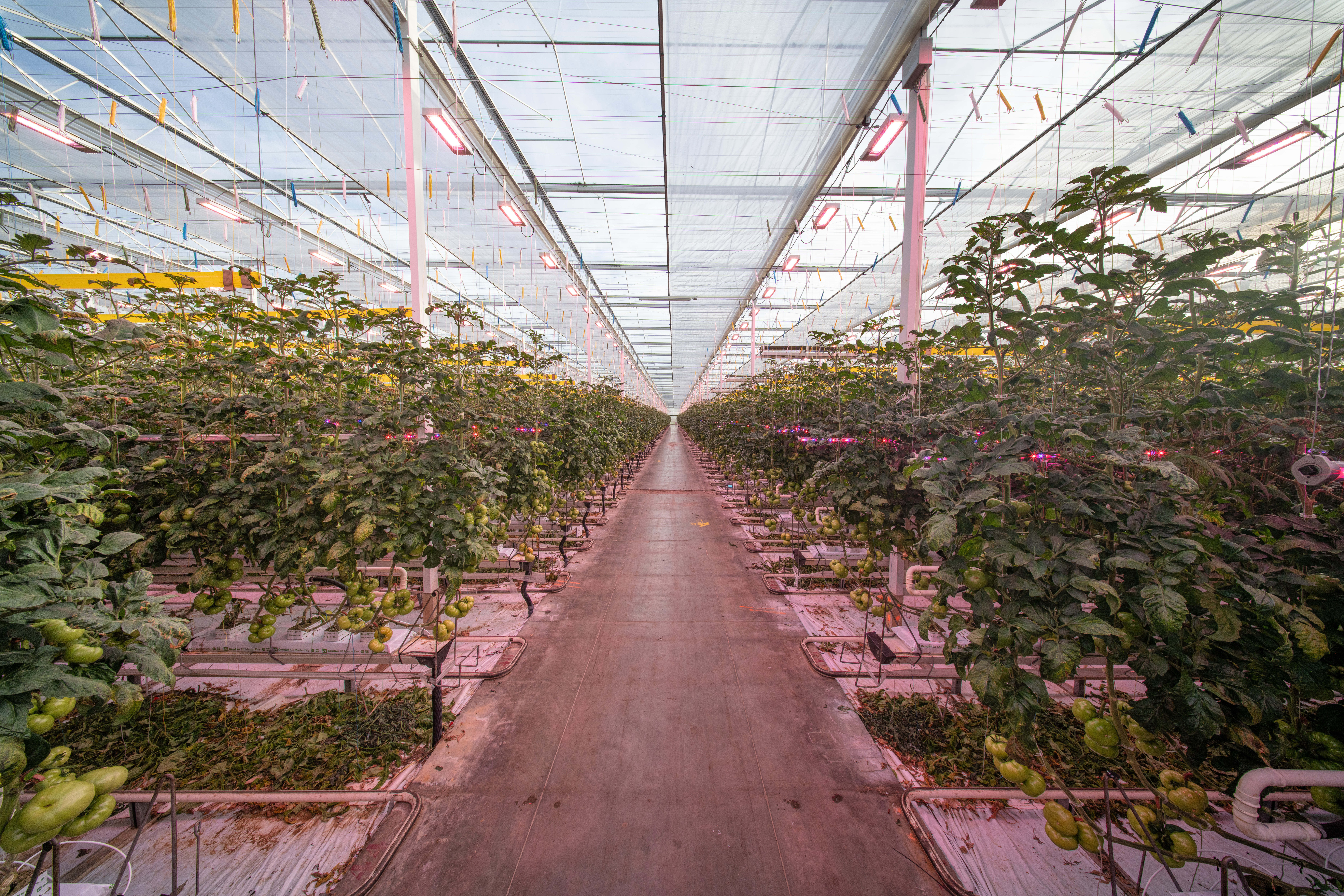
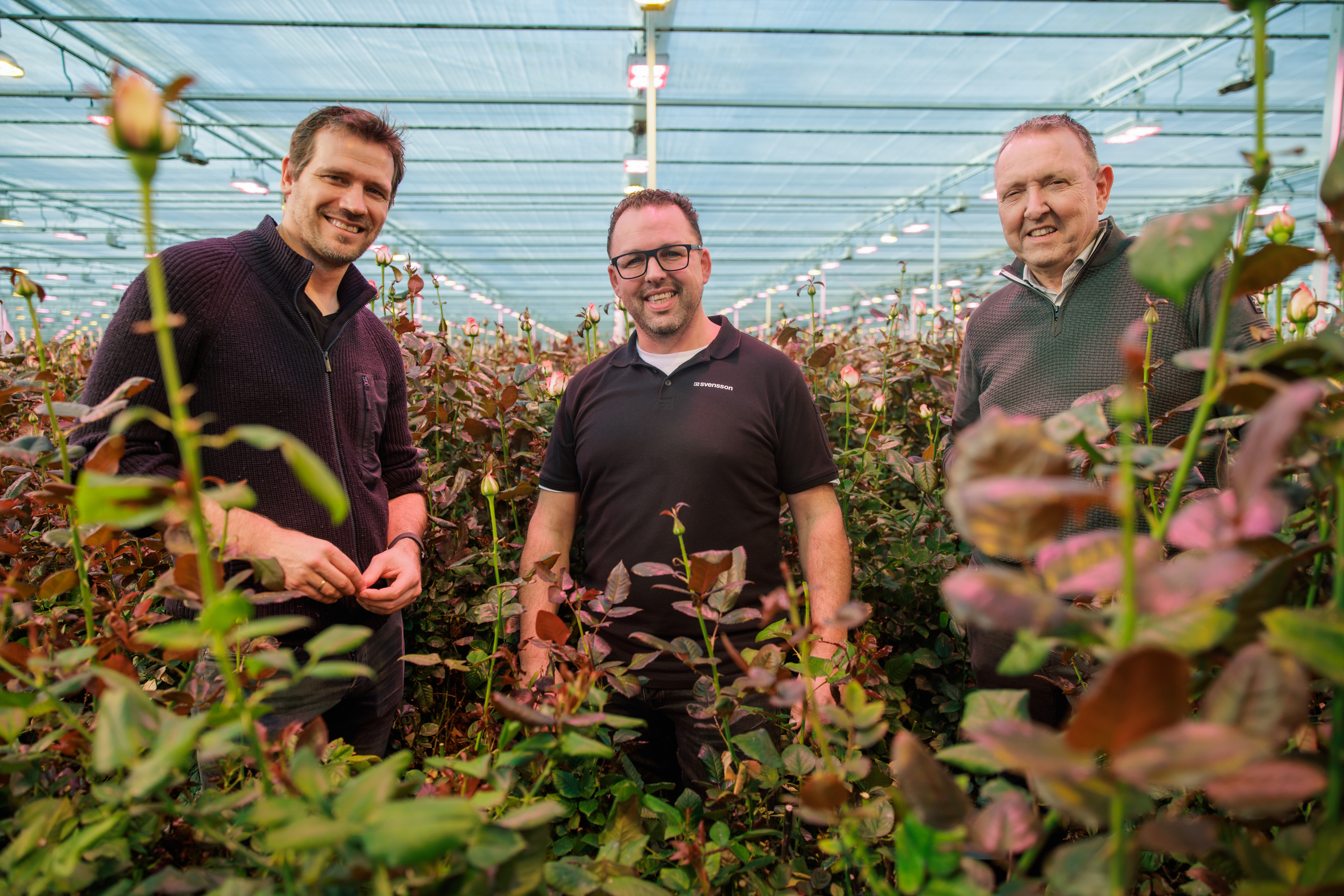
Header image provided courtesy of Signify (Philips LED Horticulture).