You can definitely grow a crop without screens, but they are a very easy-to-use tool for achieving a higher-quality crop
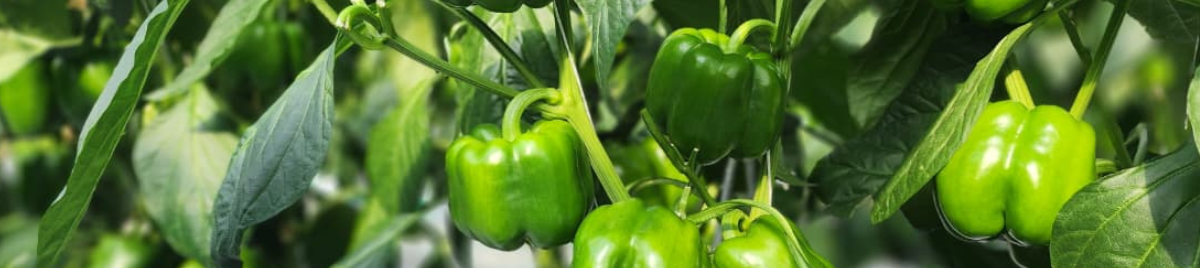
Beyond shading: a technology for creating better climate conditions for the crop
-
- Greenhouse:
- Cimarrón
-
- Location:
- Guanajuato, México
-
- Crop:
- Peppers
-
- Challenge:
- Light Management
-
- Solution:
- Harmony 3015 O
SEPTEMBER 2026
After more than two decades working with peppers in Mexico and the United States, Carlos Borja, Head Grower at Cimarrón, uses climate screens as a tool to adapt to crop needs and the requirements of different varieties, allowing him to make decisions based on real greenhouse conditions.
More than two decades growing peppers
With 24 years of experience growing peppers, Carlos Borja has worked on different production projects in both Mexico and the United States. Today, Carlos is the Head Grower at Cimarrón, a greenhouse pepper producer located in San Felipe, Guanajuato, Mexico.
Throughout his career, he has worked with different climate management systems, including shading and thermal screens. This experience has allowed him to observe how different tools can influence greenhouse conditions and support decision-making throughout different stages of the crop cycle.
At Cimarrón, the operation covers 110 hectares of production, with climate screens installed on 10 hectares. Although part of the installation took place before Carlos joined the company, he has been able to evaluate firsthand the differences this tool brings to climate management inside the greenhouse: “I strongly believe that a screen is a tool,” says Carlos.
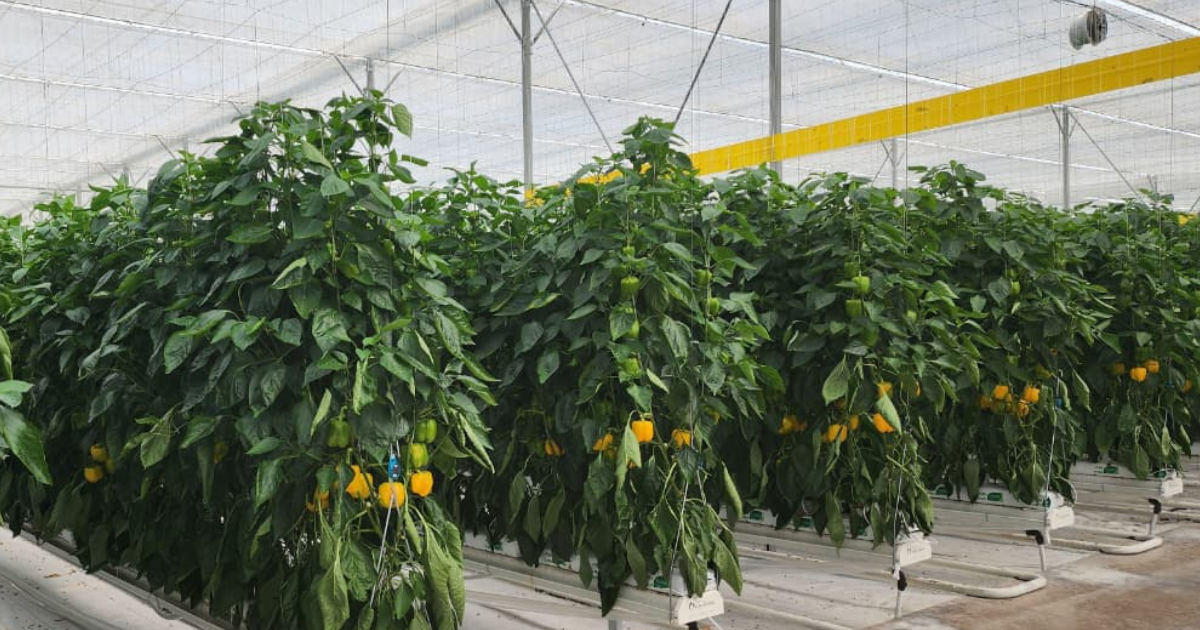
The screen as a technology for creating better climate conditions
For Carlos, climate screens are not only used for shading. Their value lies in the flexibility they provide to respond to different greenhouse conditions, including radiation, temperature, and relative humidity throughout the production cycle.
A screen allows for a dynamic approach based on current conditions, making it especially valuable as crop needs and climate change throughout the production cycle.
Carlos explains that during certain periods, the Harmony 3015 O screen, installed at Cimarrón in 2021 with the technical support of Alan Falomir, Commercial Manager at Svensson Mexico, helps him make better use of available light. At other times, it helps maintain more stable conditions around the top of the plant.
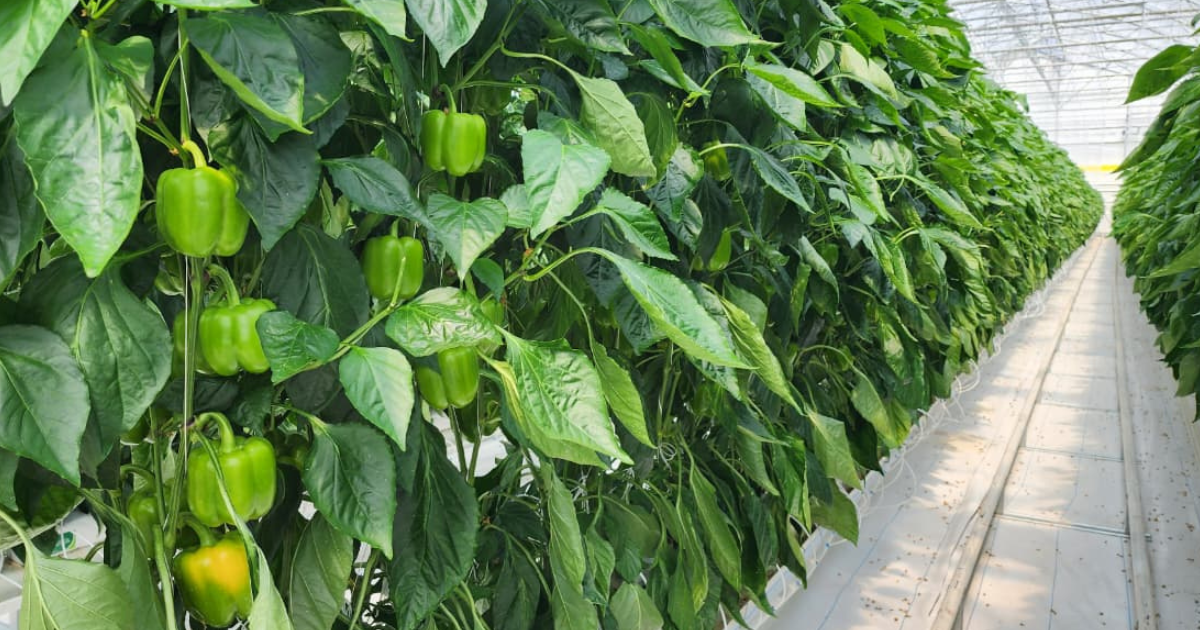
Decisions based on real crop conditions
Carlos emphasizes the importance of observing what is happening in the plant, rather than relying only on climate measurements. In the greenhouses where he uses Harmony screens, he also works with leaf temperature sensors, a tool that allows him to compare air conditions with the crop’s response and make decisions based on what the plant is experiencing inside the greenhouse.
The combination of observation, experience, and crop data becomes a valuable tool for better understanding what is happening inside the greenhouse and adjusting the climate strategy according to the plant’s needs.
In addition, not all varieties respond to climate conditions in the same way. Even within the same pepper color, there can be important differences in vigor, growth, or vegetative and generative balance. The screen allows him to adjust light levels, humidity, and other factors according to the needs of each variety and production goals.
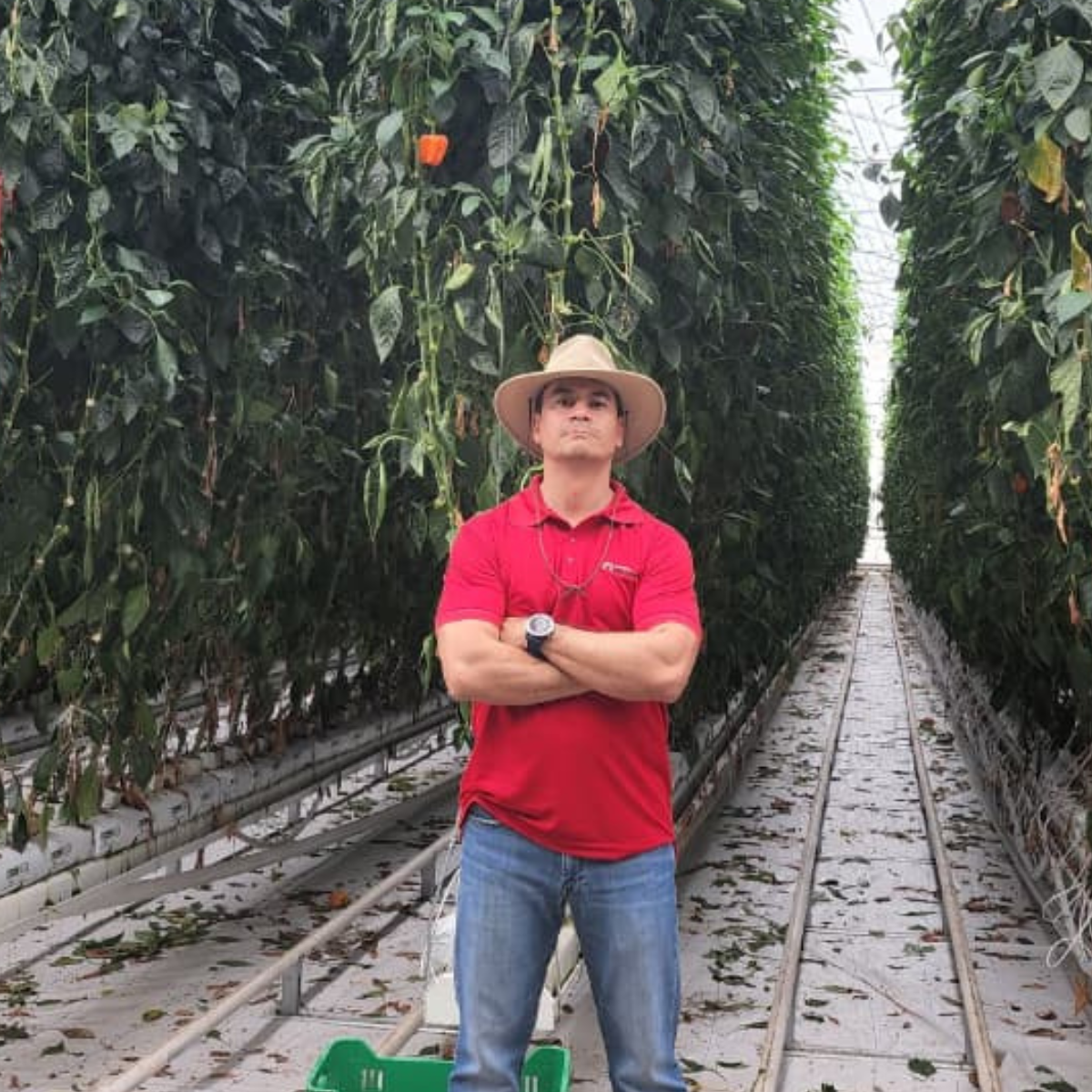
In one variety, I’m looking for a certain amount of light and a certain relative humidity, while in another I’m targeting different values, and Harmony helps me achieve them
Beyond radiation
For Carlos, part of Harmony’s value lies in its ability to support the crop’s needs throughout the growing cycle. Unlike more static tools, such as paint, the screen can be used as conditions change both inside and outside the greenhouse.
After years of working with and without screens, Carlos sees them as a tool that helps growers achieve their crop objectives. While he acknowledges that screens represent an investment, he believes their value goes beyond the initial cost. Their ability to contribute to final crop quality and help growers respond to changing climate conditions inside the greenhouse are among the benefits he considers when evaluating this technology.
“Many people think screens are a luxury. They’re not necessarily a luxury. They are a tool that has a cost, but one that pays you back in a short period of time,” says Carlos Borja, Head Grower at Cimarrón.
We would like to thank Carlos Borja and the Cimarrón team for sharing their experience and allowing us to learn more about their climate management in greenhouse pepper production in San Felipe, Guanajuato, Mexico.